
Authentic Ubud culture – Many travelers come to Ubud searching for culture, hoping to experience something real, meaningful, and deeply connected to Bali’s identity.
But what they often encounter instead is a version of culture that feels curated: beautiful, accessible, and easy to consume, yet missing the deeper context that gives it true meaning.
This is the gap between expectation and reality.
Understanding authentic Ubud culture is not about finding hidden places, it’s about seeing beyond the surface of what’s already there. And once you begin to understand how culture actually lives in Ubud, your entire travel experience can change.
1. Ubud Is Not What You Think

Source: Unsplash
Ubud is often called the cultural heart of Bali, but most visitors only experience a curated version of it.
From crowded temples to staged dance performances, what many travelers see is not necessarily authentic Ubud culture, but a surface designed for tourism. It looks cultural, feels exotic, and photographs beautifully, yet often lacks deeper meaning.
This doesn’t mean Ubud has lost its soul.
It means the real culture requires a different way of seeing.
If you’re looking for a real culture in Ubud Bali, you won’t find it by simply following popular itineraries. You’ll find it in the spaces most visitors overlook.
Click here for Why Responsible Tourism Is the Future of Ubud
2. What “Authentic Ubud Culture” Actually Means in Ubud
Source: Unsplash
To understand authentic Ubud culture, you need to shift your definition of culture itself.
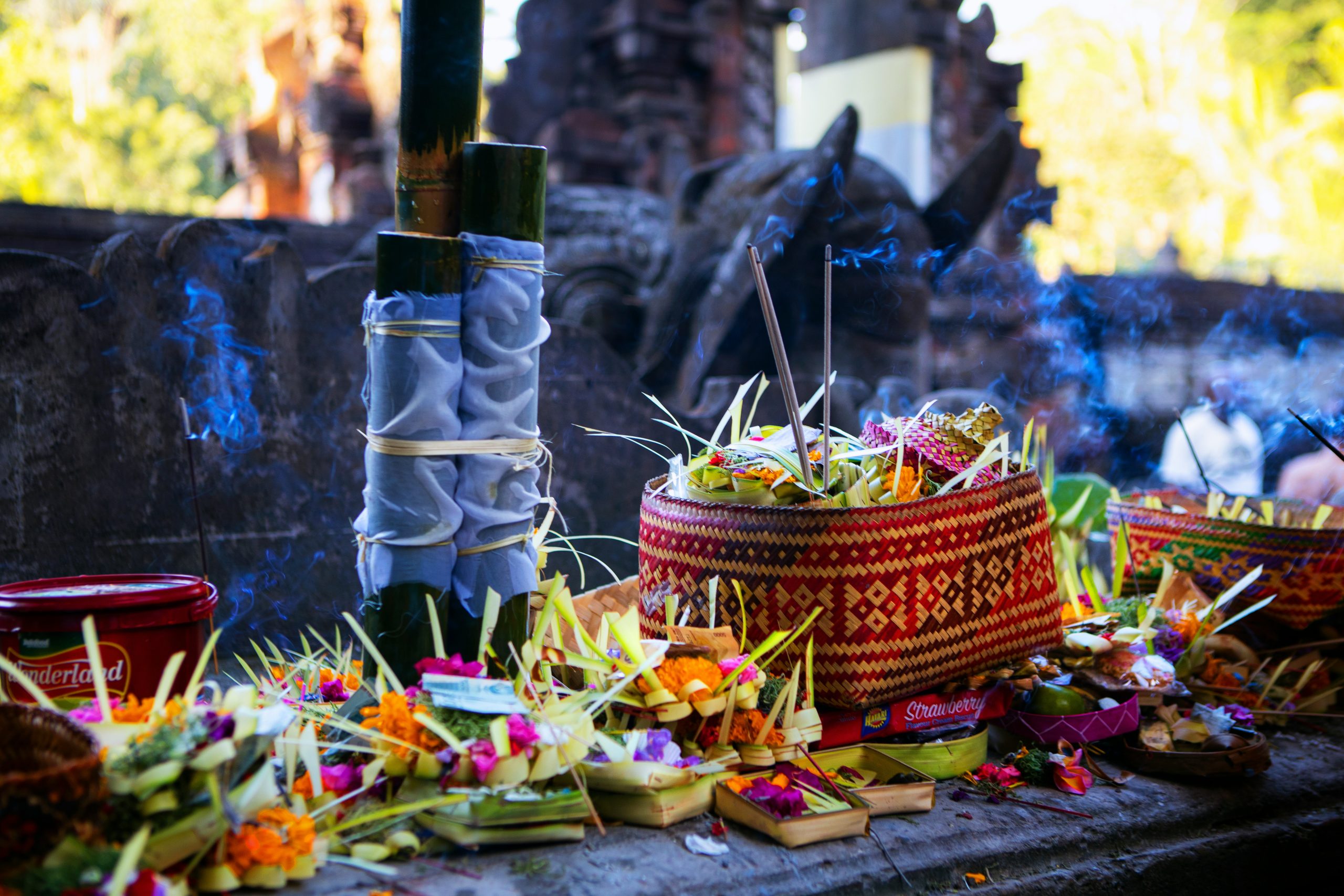
Culture in Ubud is not just performance, it is a living system.
It exists in:
- Daily offerings placed in front of homes
- Rituals carried out in family temples
- Farming practices that follow ancient systems
- Community structures that organize village life
At its core is the Balinese philosophy of harmony, a balance between:
- Humans
- Nature
- The spiritual world
This interconnected system shapes every aspect of life. That’s why a true Ubud cultural experience is not something you watch, it’s something you begin to understand.
3. Why Most Tourists Experience Surface-Level Culture
Source: Unsplash
Here’s the uncomfortable truth:
Most travelers don’t experience real culture in Ubud Bali, not because it’s hidden, but because of how they engage with it.
Common patterns include:
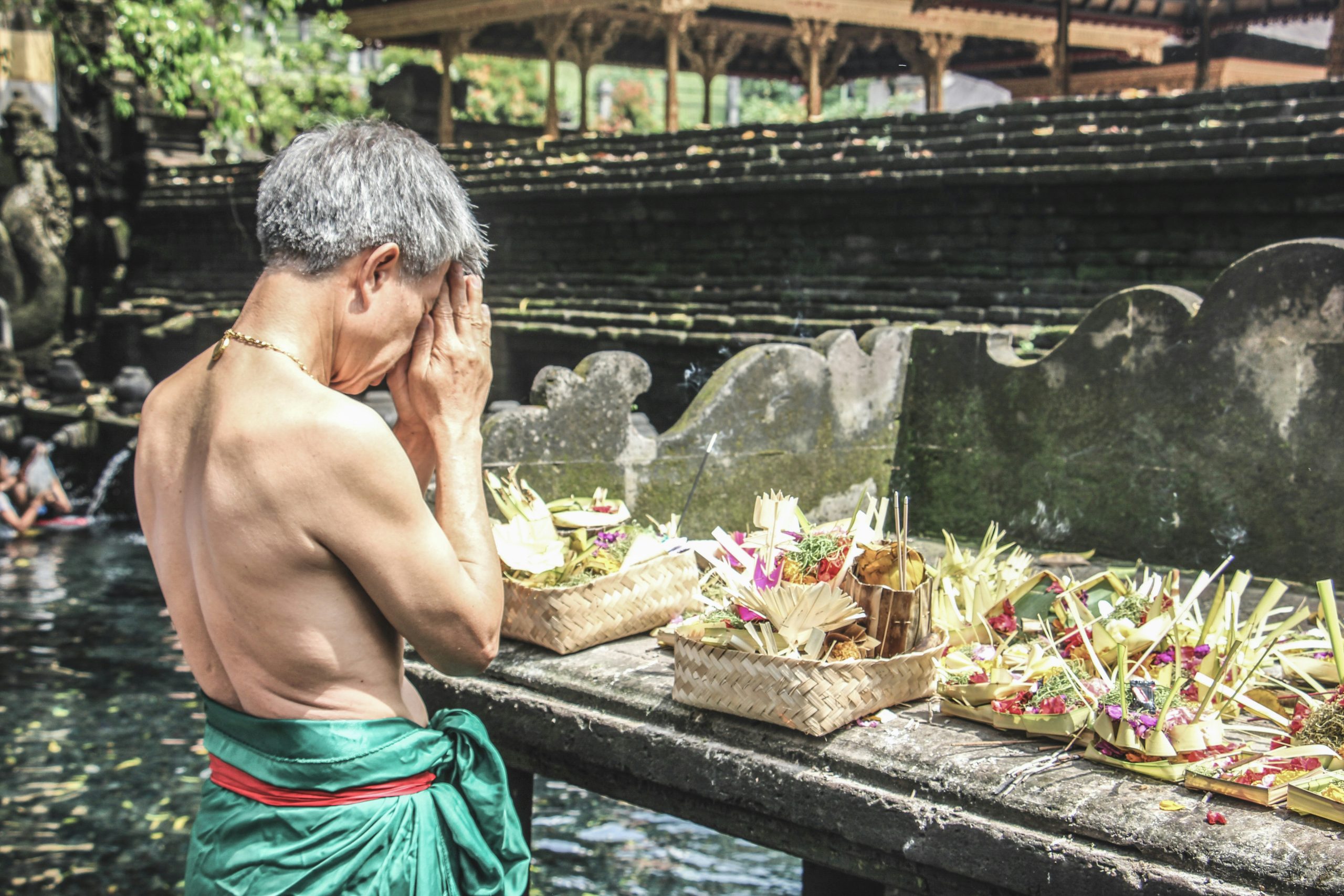
- Visiting temples only for photos, without understanding their meaning
- Watching ceremonies as spectators, not knowing their purpose
- Joining tours that focus on destinations, not stories
- Rushing through multiple spots in one day
This creates the illusion of a rich Ubud local experience, while missing the essence behind it.
Culture becomes something to consume, rather than something to learn.
4. Where Real Culture Happens in Ubud

Source: Unsplash
If you want to experience authentic Ubud culture, you need to go beyond attractions.
Real culture lives in everyday environments such as:
- Village communities, where traditions are still practiced daily
- Family compounds, where rituals and social structures are maintained
- Local ceremonies, which are part of life, not performances
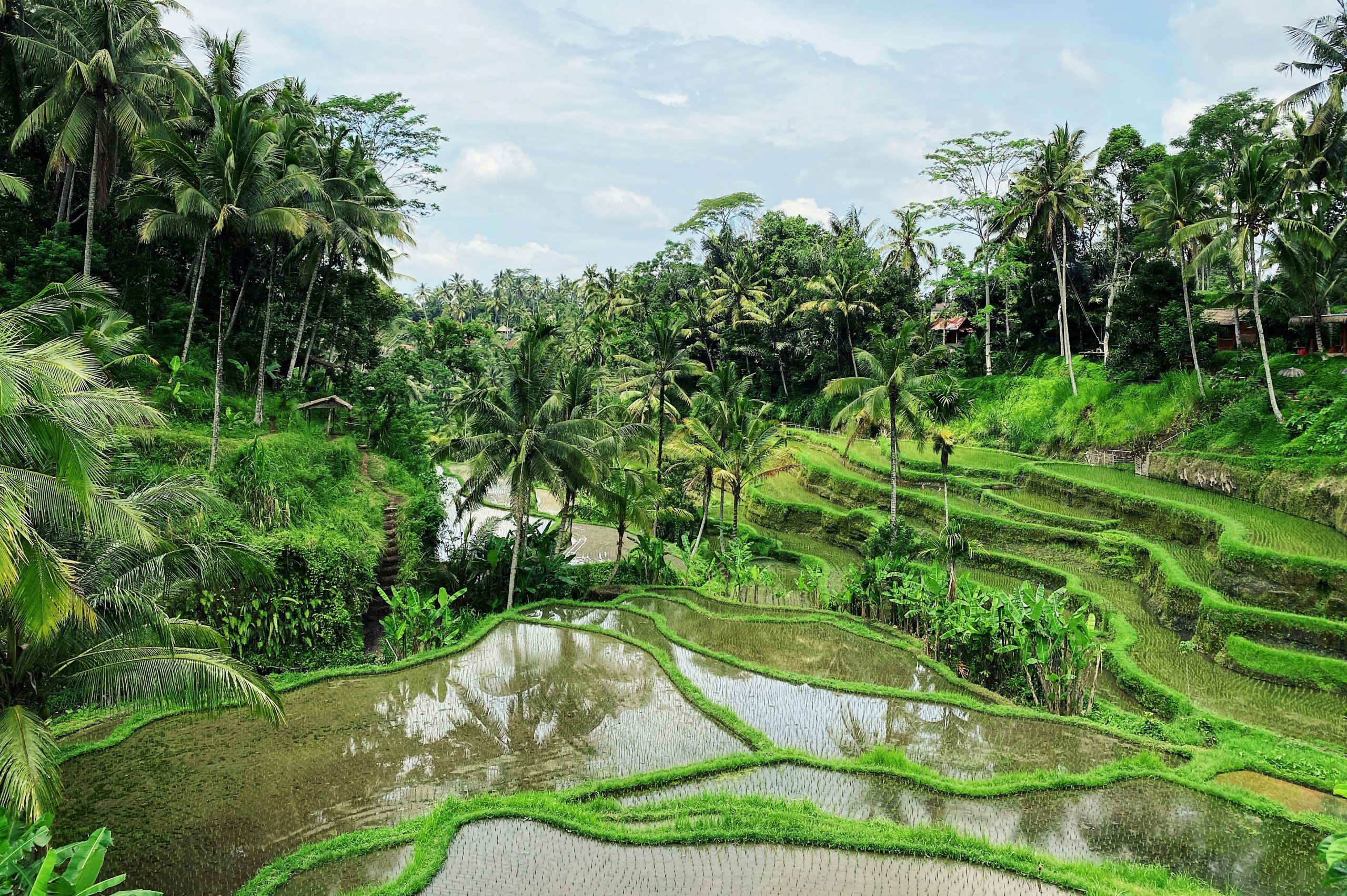
- Rice fields, where ancient agricultural systems are still used
One of the most important elements is the Subak system: a traditional irrigation method that reflects the deep connection between spirituality, community, and agriculture.
This is where Ubud traditions and culture truly exist not on a stage, but in daily life.
5. Cultural Experiences Beyond Tourist Attractions
Source: Bring Back The Light Team
A meaningful Ubud cultural experience doesn’t require exclusive access, it requires awareness.
Simple but powerful ways to connect include:
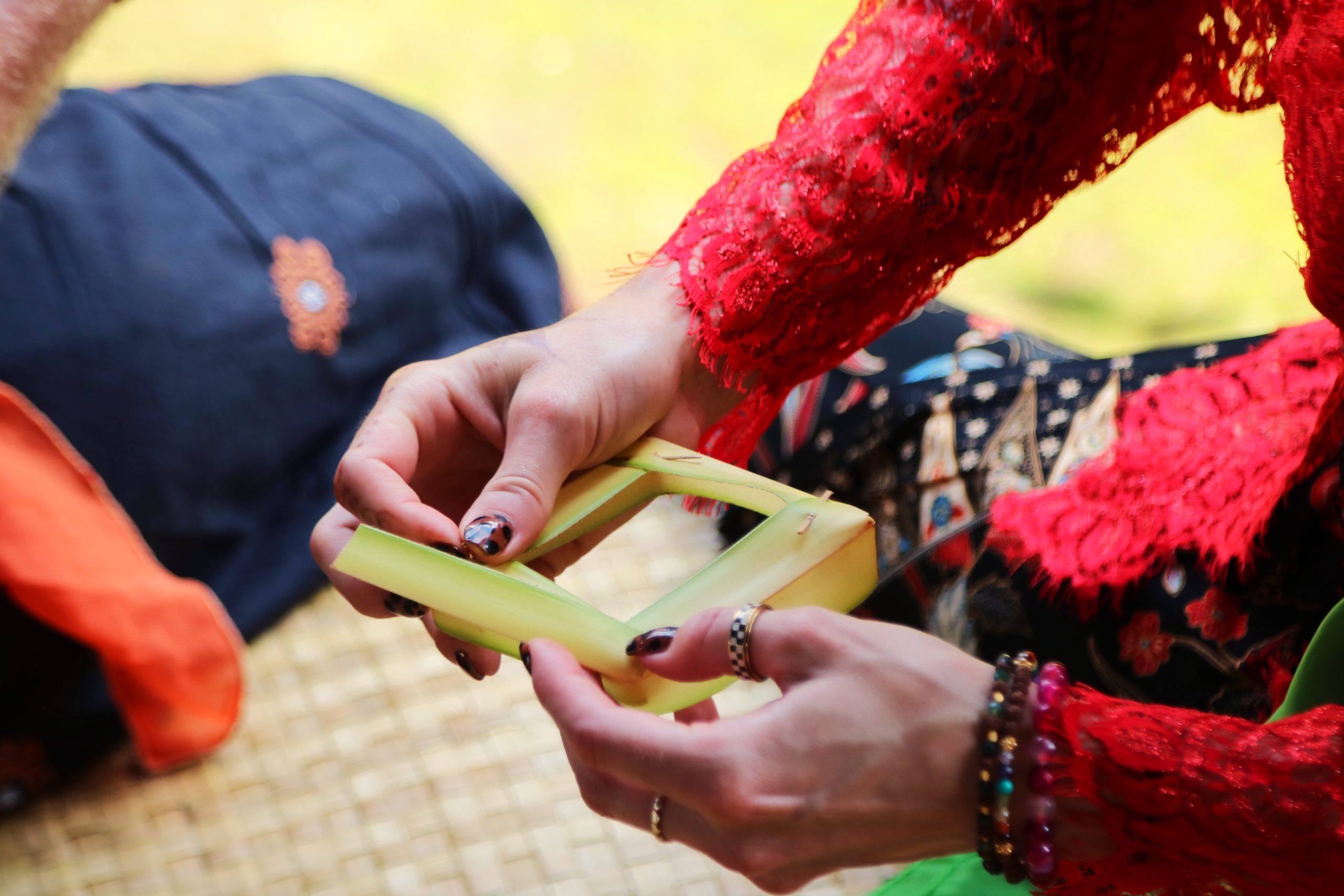
- Observing daily offerings (canang sari) with respect
- Walking through villages in the early morning
- Listening to local stories instead of just taking photos
- Learning the meaning behind rituals and symbols
These moments may seem small, but they reveal more about authentic Ubud culture than any curated attraction.
6. The Role of Nature in Balinese Culture
Source: Unsplash
In Ubud, culture and nature are inseparable.
Agriculture is not just economic activity, it is cultural practice.
Land is not just physical space, it is spiritual territory.
Rice fields, forests, and rivers are all part of a larger system that connects humans to the divine.
Understanding this relationship is essential if you want a deeper Ubud local experience. Without it, nature becomes just scenery, instead of a living part of culture.
7. Responsible Authentic Cultural Ubud Travel
Source: Bring Back The Light Team
Experiencing culture also comes with responsibility.
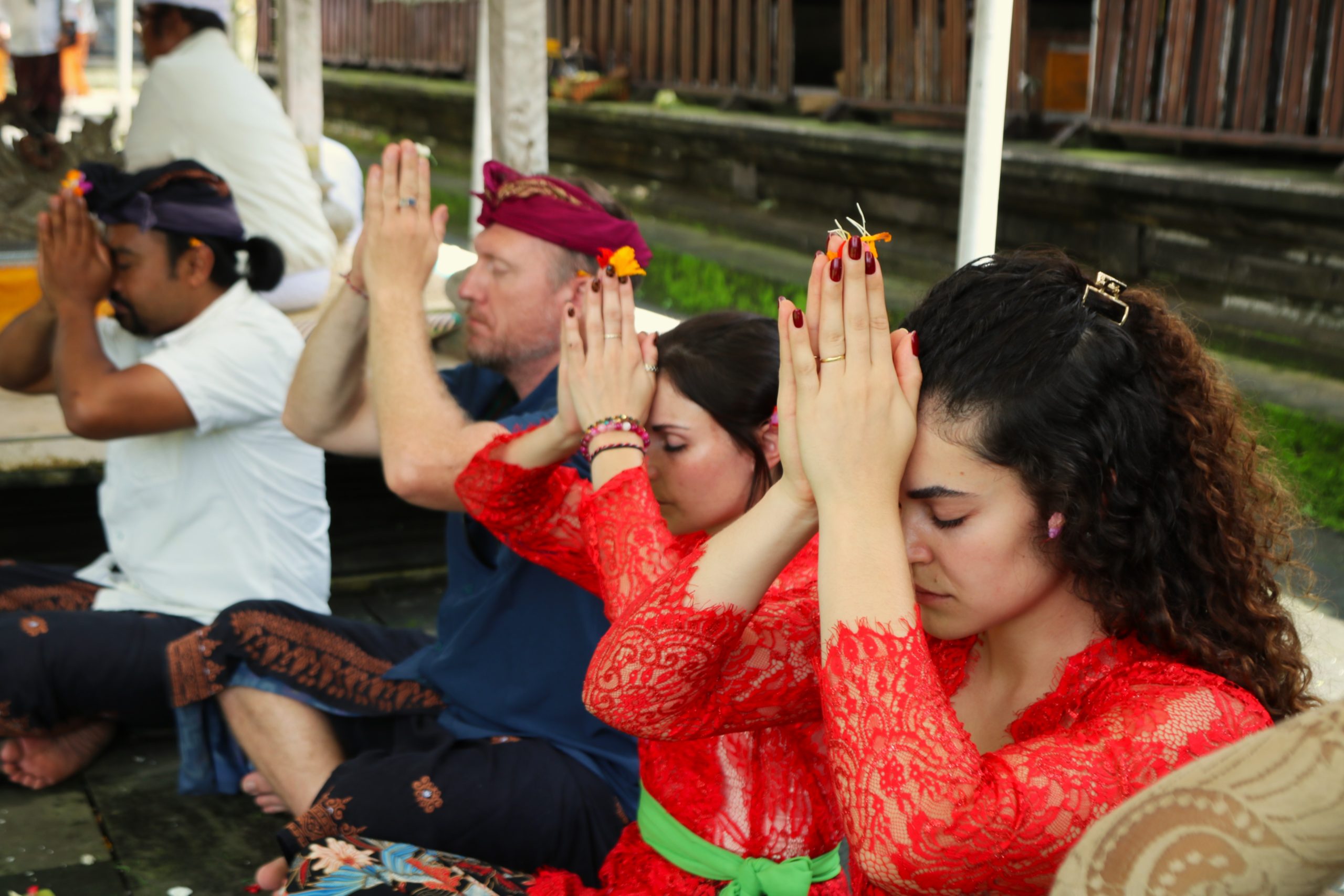
To engage respectfully with Ubud traditions and culture, travelers should:
- Wear appropriate clothing when visiting temples
- Avoid interrupting or stepping into active rituals
- Ask before taking photos of people or ceremonies
- Choose experiences that support local communities
Avoid forms of tourism that turn culture into spectacle without context.
Authenticity should never come at the cost of respect.
8. How to Experience Culture More Meaningfully
Source: Bring Back The Light Team
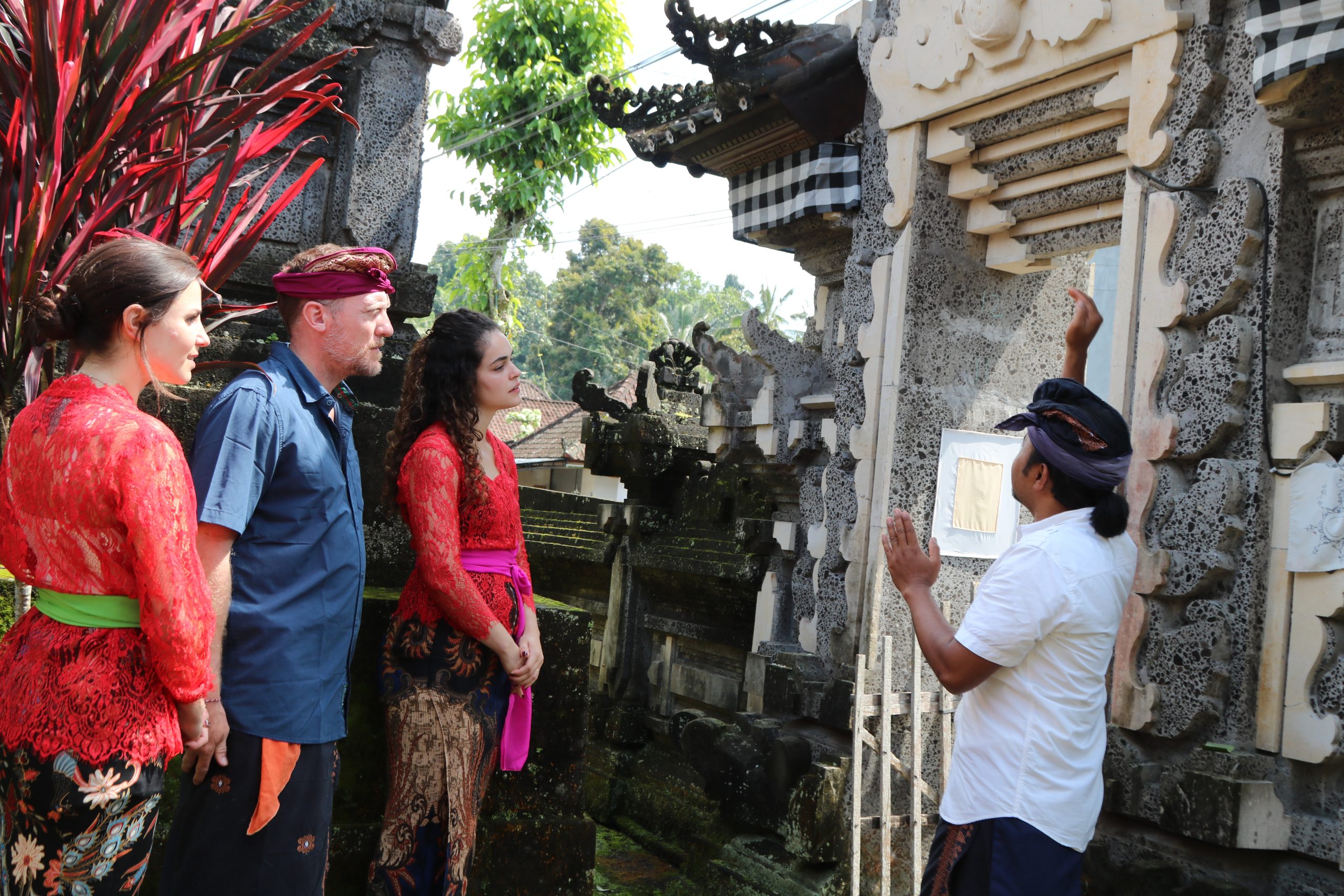
If you want a deeper Ubud cultural experience, the approach matters more than the itinerary.
Consider:
- Slowing down instead of rushing between attractions
- Spending time in one area rather than covering many
- Seeking local guidance that explains context, not just locations
- Staying curious and open to learning
The difference between a typical trip and a meaningful one often lies in understanding, not access.
Conclusion: Culture Is Not Something You Just Visit
Understanding authentic Ubud culture often requires more than visiting places.
It involves context, stories, and local perspectives that are not always visible on the surface.
Because in Ubud, culture is not a performance you watch,
it’s a system you begin to see differently once you slow down enough to notice it.