
Responsible Tourism Bali – Bali welcomes millions of visitors every year, making tourism one of the island’s most important economic sectors. From family-owned restaurants and local guides to accommodation providers and artisans, tourism supports countless livelihoods and helps drive economic growth across the island.
The benefits of tourism are significant. It creates jobs, supports small businesses, and provides opportunities for local communities to share their culture and traditions with visitors from around the world.
However, rapid tourism growth also brings challenges. Increased waste generation, traffic congestion, pressure on natural resources, and changes in land use have become important issues in many parts of Bali. As visitor numbers continue to rise, finding a balance between economic development, cultural preservation, and environmental protection becomes increasingly important.
This is where Responsible Tourism Bali plays a vital role.
Responsible tourism is not about traveling less or avoiding destinations altogether. Instead, it is about making more conscious choices during your journey. Small decisions like where you stay, what you buy, how you interact with local communities, and how you engage with nature, can collectively create a meaningful positive impact.
The concept of Responsible Tourism Bali encourages travelers to think beyond their personal experience and consider how their visit affects local people, cultural traditions, and natural ecosystems. By embracing Responsible Tourism Bali, visitors can help ensure that tourism continues to benefit both travelers and the communities that make Bali such a unique destination.
The good news is that becoming a responsible traveler does not require perfection. It simply starts with awareness and a willingness to travel more thoughtfully.
What Is Responsible Tourism Bali?

Responsible tourism is an approach to travel that considers the impact visitors have on the environment, local communities, cultural heritage, and local economies.
Rather than focusing only on personal enjoyment, responsible travelers also think about how their actions affect the places they visit. The goal is to ensure that tourism benefits both visitors and host communities while minimizing negative impacts.
At its core, Responsible Tourism Bali is about creating positive experiences for travelers while supporting the long-term well-being of the island. It encourages visitors to make choices that respect local culture, protect natural resources, and contribute to sustainable economic opportunities.
In practice, responsible tourism means considering questions such as:
- How can I reduce my environmental footprint?
- How can I support local businesses?
- How can I respect local traditions and customs?
- How can I contribute positively to the destination I am visiting?
Importantly, there is no such thing as a perfect traveler.
Every journey involves choices and compromises. What matters is making better decisions whenever possible. Choosing a refillable water bottle, supporting a local business, or learning about local culture before visiting a community may seem like small actions, but collectively they can make a significant difference.
These everyday decisions are at the heart of Responsible Tourism Bali, proving that meaningful impact often comes from simple actions repeated consistently.
This philosophy is closely connected to broader concepts such as sustainable travel Bali, conscious travel Bali, eco tourism Bali, and meaningful travel Bali.
Why It Matters More Than Ever

Bali is a relatively small island with limited resources and highly sensitive ecosystems.
Its natural landscapes including rice terraces, forests, rivers, beaches, and coral reefs—are among the main reasons visitors choose Bali as a destination. At the same time, the island’s unique cultural traditions and strong community values are essential parts of the travel experience.
Because tourism plays such a significant role in Bali’s economy, maintaining a balance between environmental protection, cultural preservation, and economic development is becoming increasingly important.
As tourism continues to grow, Responsible Tourism Bali becomes more relevant than ever. The choices travelers make today can influence the future health of Bali’s ecosystems, communities, and cultural heritage.
Limited Natural Resources
Fresh water is a shared resource used by local communities, agriculture, businesses, and tourism facilities. Responsible resource consumption helps reduce pressure on these systems and supports long-term sustainability.
Practicing Responsible Tourism Bali can include simple actions such as conserving water, reusing towels, and choosing accommodations that prioritize sustainable resource management.
Sensitive Ecosystems
Bali’s ecosystems support rich biodiversity, including many species that depend on healthy habitats. Environmental degradation can affect wildlife populations, agricultural productivity, and community well-being.
Through Responsible Tourism Bali, visitors can help reduce environmental pressures by respecting wildlife, staying on designated paths, and supporting conservation-focused experiences.
Cultural Preservation
Balinese culture is deeply rooted in traditions, ceremonies, and community life. Responsible tourism helps ensure that cultural heritage remains respected and preserved for future generations.
Respect for local customs is a key principle of Responsible Tourism Bali, helping maintain the authenticity and integrity of cultural experiences.
Sustainable Tourism for the Future
The long-term success of Bali’s tourism industry depends on protecting the natural and cultural assets that make the island special. Responsible tourism supports a future where communities, visitors, and ecosystems can thrive together.
By embracing Responsible Tourism Bali, travelers become part of a broader effort to create a more sustainable future for the island.
Small Choices That Can Make a Big Difference
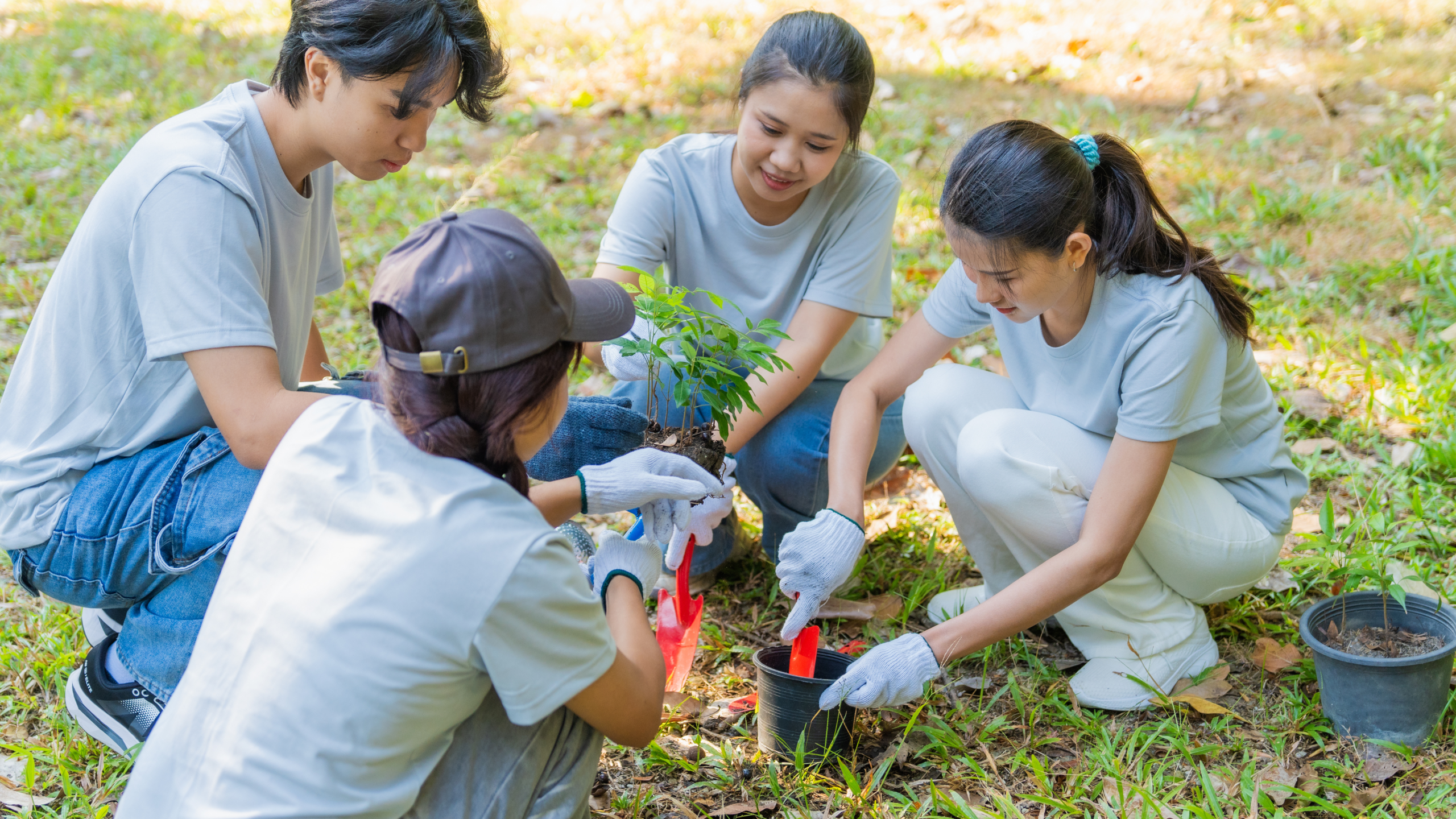
Many people assume sustainability requires major sacrifices or lifestyle changes. In reality, some of the most effective actions are simple and accessible to almost everyone.
Respect Local Culture
One of the easiest ways to become a responsible traveler is by showing respect for local traditions and customs.
When visiting Bali:
- Dress appropriately when entering temples.
- Follow guidelines at sacred sites.
- Avoid interrupting religious ceremonies.
- Ask permission before photographing people.
- Learn basic cultural etiquette before your trip.
Respectful behavior creates positive interactions between travelers and local communities and reflects the values of Responsible Tourism Bali.
Reduce Single-Use Plastic
Plastic waste remains one of the biggest environmental challenges in many tourist destinations.
Travelers can help by:
- Carrying a reusable water bottle.
- Bringing a reusable shopping bag.
- Refusing unnecessary plastic straws.
- Using refill stations when available.
- Choosing businesses that prioritize waste reduction.
Reducing waste is one of the simplest ways to practice Responsible Tourism Bali and help protect the island’s natural beauty.
Support Local Businesses and Communities
Supporting local businesses is one of the most direct ways travelers can create positive economic impact.
Consider choosing:
- Local warungs and restaurants.
- Community-based tourism initiatives.
- Local guides.
- Artisan-made products.
- Locally owned accommodations.
When tourism spending stays within local communities, more benefits remain in the destination itself. Supporting local enterprises is a fundamental aspect of Responsible Tourism Bali because it helps strengthen community resilience and economic sustainability.
Embrace Slow Travel and Meaningful Experiences
Many travelers try to see everything in a short period of time. However, rushing from one attraction to another can limit opportunities for meaningful experiences.
Slow travel encourages visitors to:
- Spend more time in fewer places.
- Build genuine connections with local communities.
- Learn about local culture and traditions.
- Reduce transportation-related impacts.
- Appreciate destinations beyond popular attractions.
Slow travel aligns naturally with Responsible Tourism Bali because it encourages deeper engagement and more thoughtful exploration.
Stay Curious and Keep Learning
Responsible tourism begins with curiosity.
By learning about the places we visit, listening to local perspectives, and understanding environmental challenges, travel becomes more than sightseeing—it becomes an opportunity for growth and awareness.
Education and awareness are central to Responsible Tourism Bali, helping travelers make informed decisions throughout their journey.
The Role of Nature-Based Tourism

Nature-based tourism can play an important role in encouraging environmental awareness and supporting conservation efforts.
When travelers spend time in natural environments, they often develop a deeper appreciation for the ecosystems that support life and biodiversity.
Nature-based experiences can:
- Increase environmental awareness.
- Encourage conservation-minded behavior.
- Support local conservation initiatives.
- Strengthen connections between people and nature.
- Create meaningful educational opportunities.
Importantly, nature tourism does not always involve extreme adventures or remote expeditions.
Sometimes the most impactful experiences are surprisingly simple.
Walking through traditional rice fields, observing wildlife in its natural habitat, or learning how local communities manage their environment can leave a lasting impression.
These experiences often inspire travelers to embrace Responsible Tourism Bali by developing a stronger understanding of the relationship between tourism and environmental stewardship.
Well-designed eco tourism Bali experiences can benefit both visitors and local communities while fostering greater environmental responsibility.
It’s About Connection, Not Just Travel
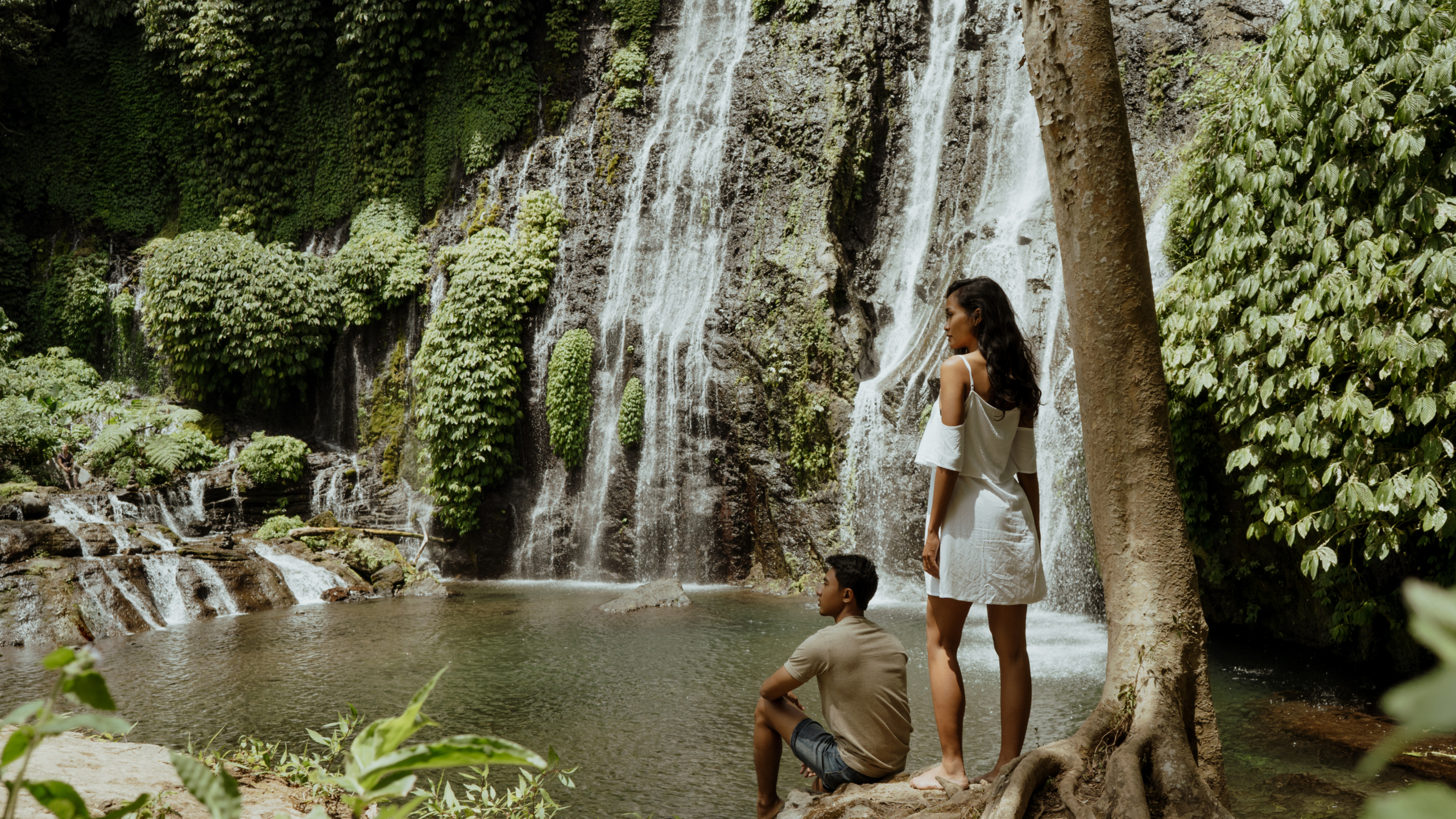
The most meaningful travel experiences often go beyond simply visiting famous places.
They happen when travelers connect with the destination on a deeper level.
This can involve:
- Learning about local history.
- Understanding cultural traditions.
- Participating in community-led experiences.
- Exploring environmental challenges and solutions.
- Listening to local stories and perspectives.
Responsible Tourism Bali encourages a shift in mindset.
Instead of asking:
“What can I see here?”
Travelers begin asking:
“What can I learn here?”
This perspective transforms travel into an opportunity for understanding, appreciation, and mutual exchange.
Rather than simply collecting photos, travelers gain a deeper understanding of the places they visit and the people who call them home. This deeper connection is one of the most rewarding outcomes of Responsible Tourism Bali.
A Different Perspective Through The Fireflies Journey
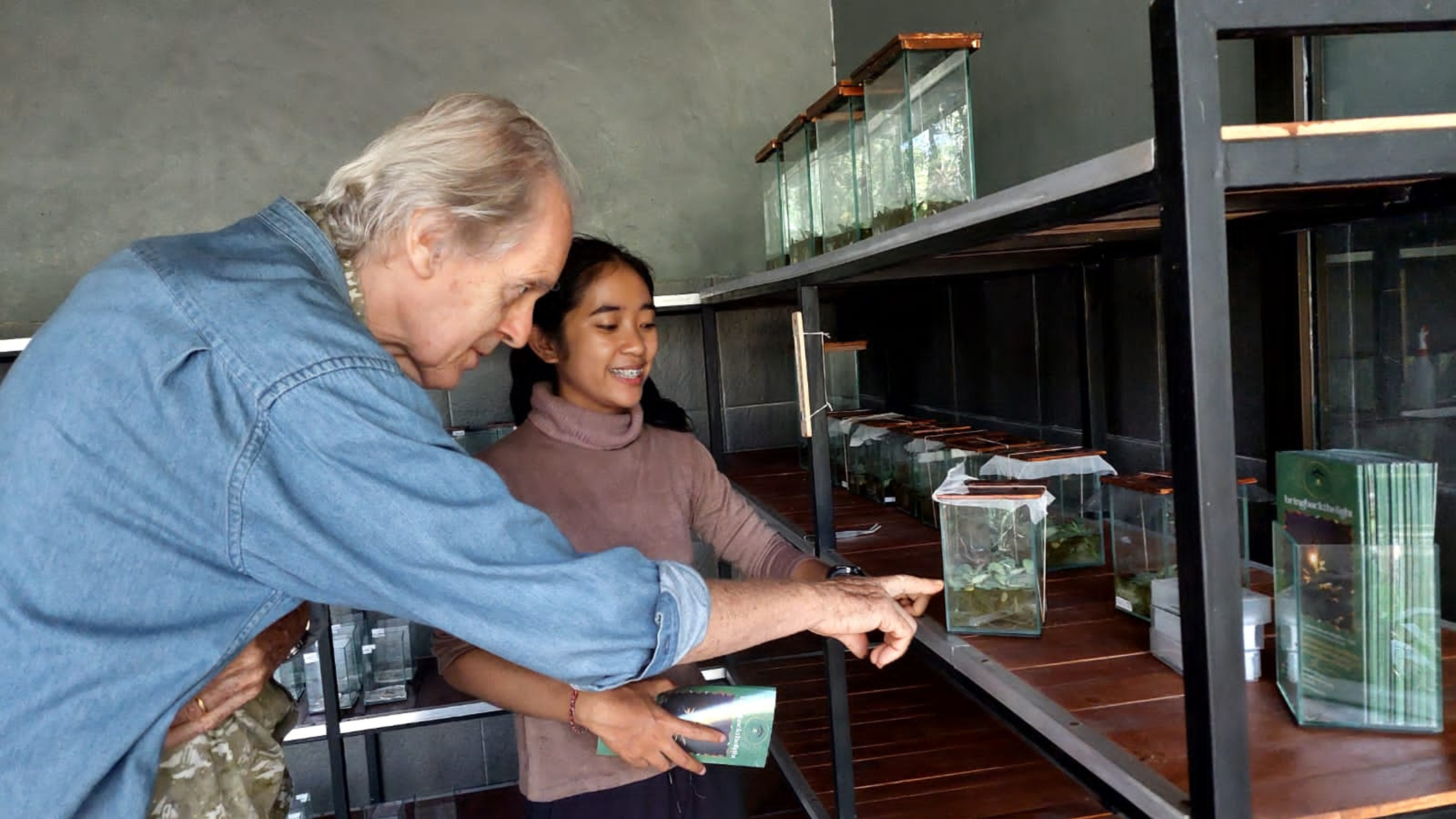
Source: Bring Back The Light Team
For travelers seeking a more meaningful and nature-connected experience, educational tourism experiences can offer valuable insights into Bali’s environmental and cultural landscapes.
One example is The Fireflies Journey by Rumah Konservasi Kunang-Kunang (Bring Back The Light Bali).
Rather than focusing solely on sightseeing, the experience encourages visitors to explore the connections between biodiversity, traditional agriculture, local communities, and conservation.
The experience reflects many of the principles associated with Responsible Tourism Bali, including environmental awareness, cultural appreciation, and community engagement.
Learning About Biodiversity Through Travel
Participants gain a deeper understanding of traditional rice field ecosystems that have supported Balinese communities for generations.
These landscapes provide not only food production but also habitat for numerous species that contribute to ecosystem health.
Fireflies as Indicators of Healthy Ecosystems
Among these species are fireflies, which are often considered bioindicator species.
Because fireflies are sensitive to environmental changes such as pollution, habitat loss, and excessive artificial lighting, their presence can provide valuable insights into ecosystem health.
Learning about fireflies helps visitors better understand the relationship between biodiversity and environmental sustainability, which is an important theme within Responsible Tourism Bali.
Connecting Conservation, Culture, and Tourism
Through storytelling and guided interpretation, visitors can explore:
- The ecological role of fireflies.
- Traditional agricultural practices in Bali.
- The importance of biodiversity conservation.
- Community-based environmental initiatives.
- The role tourism can play in supporting environmental awareness.
Experiences like The Fireflies Journey demonstrate how tourism can become a platform for learning, reflection, and connection rather than simply consumption.
For readers interested in exploring related topics, you may also enjoy:
- Why Fireflies Matter: What They Tell Us About the Health of Bali’s Ecosystems
- Why Responsible Tourism Is the Future of Bali
- Slow Travel in Bali
- Hidden Gems in Ubud for Nature Lovers
- Ubud Travel Mistakes
Together, these topics help reveal how tourism can contribute to environmental awareness, cultural appreciation, and community engagement.
Conclusion: Small Choices Create Lasting Impact

Responsible tourism does not have to be complicated.
It begins with simple choices, curiosity, and a willingness to understand the impact our travels have on the places we visit.
Whether it is respecting local customs, reducing waste, supporting local businesses, slowing down our itinerary, or learning about the natural environments around us, small actions can create meaningful positive change.
When more travelers embrace Responsible Tourism Bali, tourism can become a powerful force for protecting ecosystems, preserving cultural heritage, and supporting local communities.
The future of Responsible Tourism Bali depends on travelers, businesses, and communities working together to ensure that Bali remains a vibrant destination for generations to come.
The future of travel is not only about visiting beautiful places—it is about helping those places continue to thrive for generations to come.
Experience a More Meaningful Side of Bali

If you’re looking for a more meaningful way to experience Bali, consider joining The Fireflies Journey by Bring Back The Light Bali. The experience offers a chance to learn about biodiversity, traditional rice field ecosystems, and the role tourism can play in supporting environmental awareness.
By slowing down, observing nature, and gaining a deeper understanding of the connections between people and ecosystems, travelers can discover a different perspective on Bali—one built on learning, awareness, and connection. Through experiences like these, the principles of Responsible Tourism Bali become more tangible, memorable, and meaningful.