
Eco-tourism Bali – What if your Bali experience could be more than sightseeing?
Bali attracts travelers with its beaches, temples, rice fields, forests, and rich culture. However, the island offers another side that many visitors rarely explore: its living natural environments.
Today, more travelers want to make responsible choices. They want to enjoy nature, learn about local communities, and support experiences that benefit the places they visit.
This growing interest makes eco-tourism Bali an exciting way to travel.
Instead of simply visiting a beautiful location, you can discover its story. You can learn how its ecosystem works, meet people connected to the landscape, and understand why conservation matters.
Fortunately, Bali offers many ways to travel this way. You can explore rice fields, walk through forests, observe wildlife, join conservation activities, or discover nature after dark.
The idea is simple:
Travel with curiosity. Explore with respect. Leave a positive impact.
What Is Eco-Tourism?
Source: Pexels
Eco-tourism combines nature, education, conservation, and community involvement.
In other words, it is not simply about visiting a natural place. Instead, it encourages travelers to understand the environment and make responsible choices while exploring it.
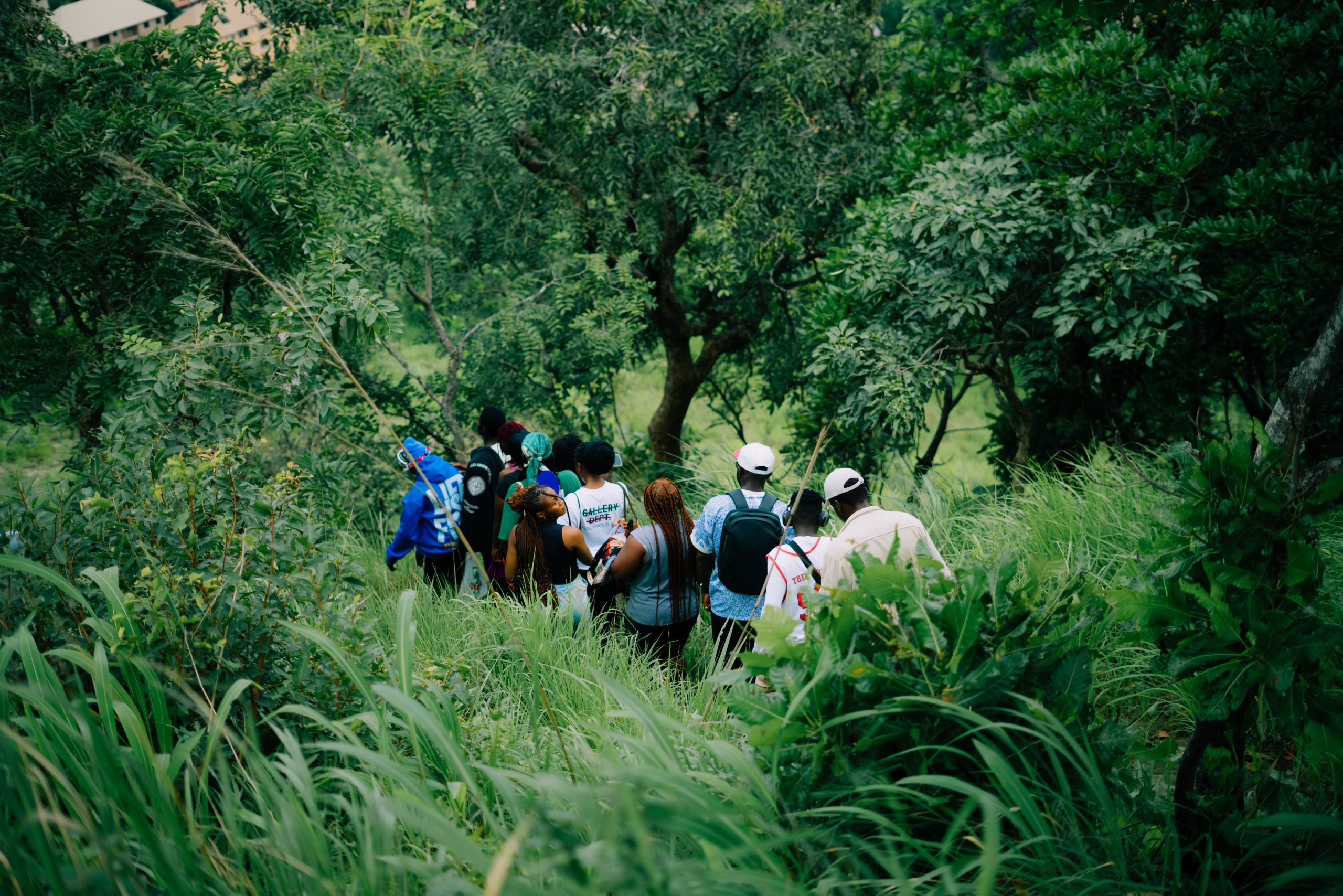
For example, you could walk through a rice field just to enjoy the view. However, a guided walk can help you understand local agriculture, biodiversity, water systems, and the people who care for the landscape.
As a result, you gain more than a photograph.
You gain a deeper connection with the place.
What Does Eco-Tourism Include?
A meaningful eco-tourism Bali experience usually brings together several elements:
- Nature — Explore forests, rice fields, rivers, and other natural environments.
- Education — Learn about wildlife, ecosystems, and environmental issues.
- Conservation — Support efforts that protect habitats and biodiversity.
- Community — Learn from local people and create value for their communities.
- Responsible behavior — Respect wildlife, nature, and local ways of life.
Together, these elements can transform a simple activity into a meaningful travel experience.
Rather than asking only, “What can I see?”, try asking:
“What can I learn from this place?”
That small change in perspective can make your journey more rewarding.
Why Does Eco-Tourism Matter in Bali?
Source: Unsplash
Bali’s natural beauty attracts millions of visitors. Yet, its landscapes offer much more than beautiful views.
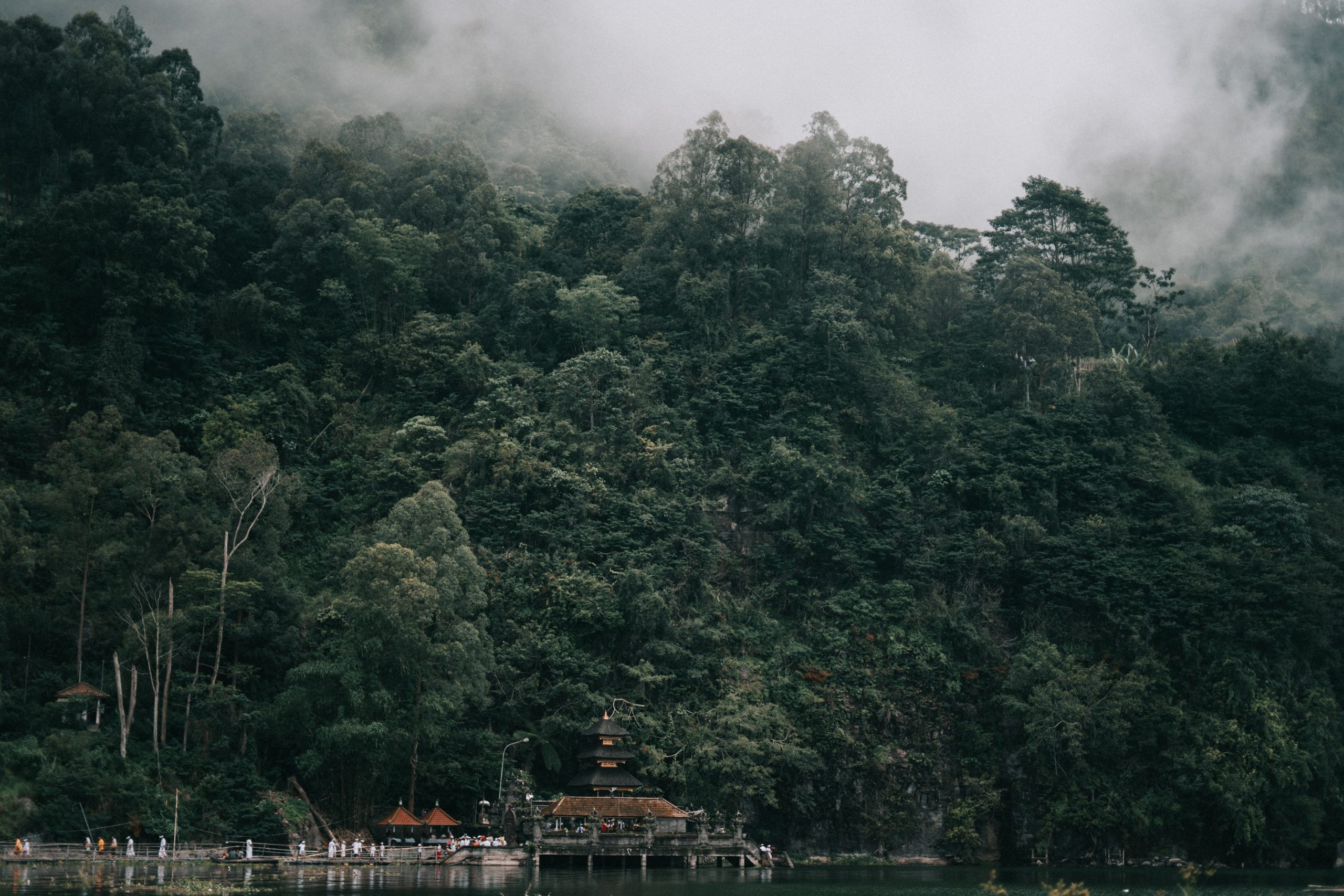
Rice fields support agriculture and biodiversity. Forests provide habitats for wildlife. Rivers and waterways connect different parts of local ecosystems. Meanwhile, rural landscapes remain closely linked to community life.
As tourism continues to grow, more visitors enter these environments.
Therefore, travelers also have a role to play.
By choosing responsible experiences, you can support environmental awareness, local communities, and conservation initiatives. At the same time, tourism operators can create experiences that encourage visitors to care about the destinations they explore.
This makes sustainable tourism in Bali more than a travel trend.
It creates an opportunity to make tourism part of the solution.
Discover Bali’s Hidden Biodiversity
You can easily notice Bali’s landscapes.
However, you may not notice everything living within them.
Birds move through trees. Insects live among plants. Frogs depend on suitable habitats and clean water. Meanwhile, nocturnal animals become active after sunset.
Many travelers pass these species without ever noticing them.
A thoughtful nature experience in Bali can change that.
Instead of simply looking at a landscape, you can learn how different species depend on it. Consequently, you begin to notice the smaller details around you.
Once you understand those connections, protecting them becomes much more meaningful.
Connect With the Communities Behind the Landscape
Bali’s natural environments also connect closely with local communities.
For generations, local people have worked with the land through agriculture, traditional knowledge, and community practices. As a result, many landscapes reflect a relationship between people and nature.
Responsible tourism can help visitors understand that relationship.
For example, local guides can share knowledge that travelers would not discover through conventional sightseeing. At the same time, community-based tourism can create opportunities for local people to benefit from responsible visitors.
Therefore, eco-tourism in Bali can strengthen the connection between tourism, people, and nature.
You do not simply visit a destination.
You learn from the people who know it best.
What Makes an Eco-Tourism Experience Responsible?

Source: Unsplash
Today, you will see words such as “eco,” “green,” and “sustainable” across travel websites.
However, a label alone does not make an experience responsible.
When searching for eco-tourism Bali, look at what the operator actually does. Consider how the experience treats nature, wildlife, local communities, and the environment.
Here are five important things to consider.
1. It Protects Nature
First, a responsible experience should put nature before entertainment.
Operators should minimize unnecessary disturbance to habitats and wildlife. Likewise, visitors should follow local guidelines, stay on appropriate paths, keep noise low, and avoid damaging plants.
You do not need complicated rules to make a difference.
Respect the environment and let nature remain natural.
2. It Helps You Learn
A meaningful nature experience should give you more than photographs.
For instance, a guide might introduce you to a local species. They might also explain how an ecosystem works or why a particular habitat needs protection.
As a result, education gives context to what you see.
Once you understand an environment, you are more likely to appreciate and protect it.
3. It Involves Local Communities
Responsible tourism should create opportunities for local people.
Local guides can share knowledge that you will not find in a standard travel guide. Likewise, communities can introduce visitors to local traditions, landscapes, agriculture, and conservation efforts.
This approach creates value on both sides.
Travelers gain a richer experience, while local communities gain opportunities to participate in tourism.
4. It Reduces Environmental Impact
Every tourism activity creates some environmental impact.
Fortunately, travelers and operators can reduce it through practical choices.
For example, you can avoid unnecessary plastic, carry reusable items, follow waste guidelines, and keep noise levels low. Meanwhile, responsible operators can design experiences that limit waste and reduce disturbance to wildlife.
Small choices may seem insignificant.
However, when many people make those choices, the overall impact can grow.
5. It Creates Long-Term Value
Finally, consider what happens after your visit.
Does the experience support conservation? Does it provide environmental education? Does it create opportunities for local communities?
If so, your visit can contribute to something that lasts beyond a single evening or afternoon.
That long-term impact makes eco-tourism Bali more meaningful.
What Eco-Tourism Experiences Can You Explore in Bali?
Source: Unsplash
Fortunately, Bali offers many ways to experience nature responsibly.
You do not always need to visit a famous attraction. Instead, look beyond the usual itinerary and explore the environments that surround local communities.
Explore Bali’s Forests
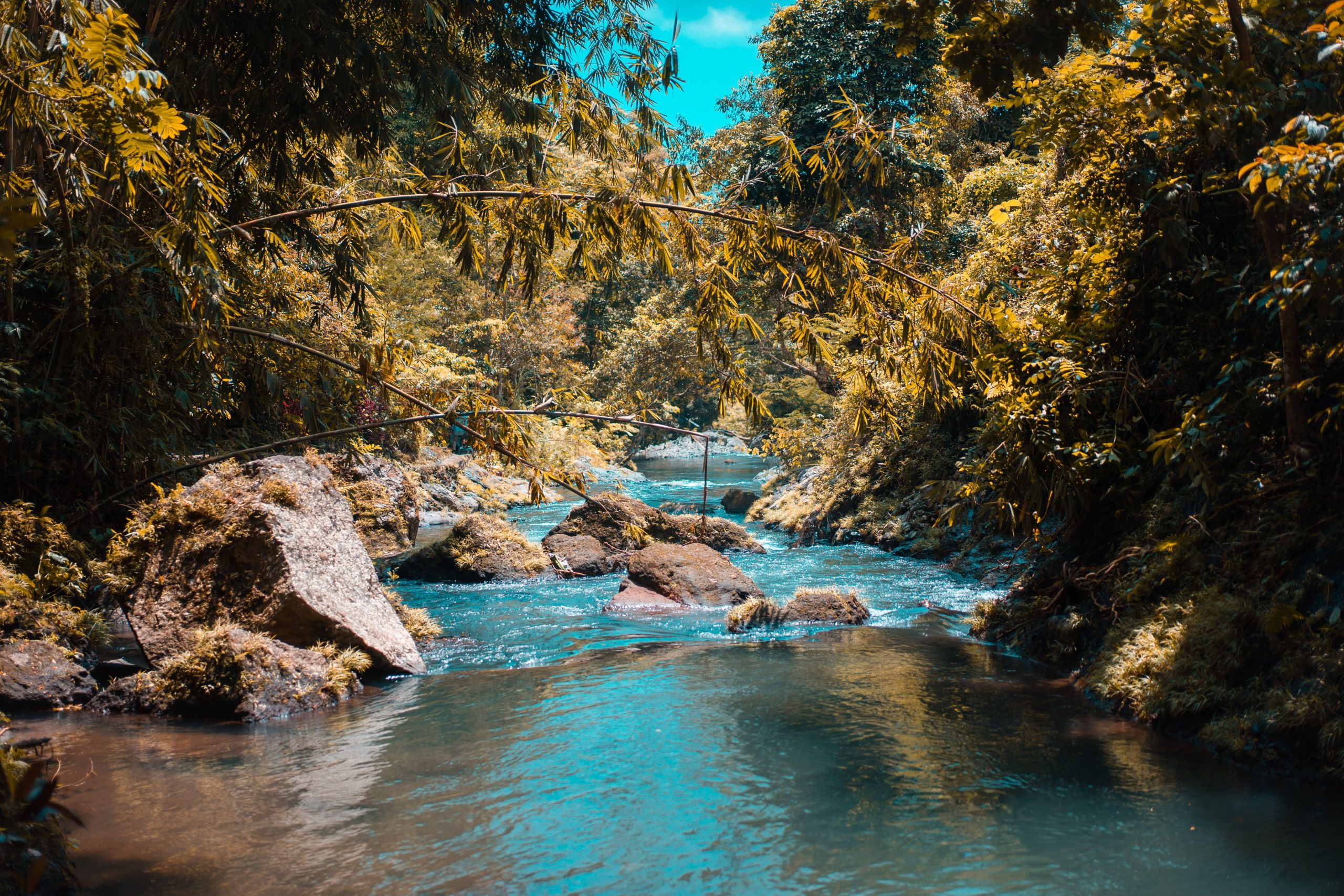
Bali’s forests support a wide range of plants and animals.
A guided forest experience can help you discover this biodiversity while learning how the ecosystem works. At the same time, walking quietly allows you to observe without creating unnecessary disturbance.
Take your time.
Listen to the sounds around you.
Notice what moves through the trees.
In this way, a forest walk can become much more than exercise.
Discover the Rice Fields
Bali’s rice fields create some of the island’s most recognizable landscapes.
Yet, there is much more to them than beautiful scenery.
Rice fields connect agriculture, water, biodiversity, and local communities. Therefore, a guided experience can help you understand the systems behind the landscape.
Instead of seeing only a green field, you begin to see a living environment.
Observe Wildlife Responsibly
Wildlife observation can introduce you to species that you might otherwise miss.
Birdwatching offers one example. Insect observation provides another.
However, responsible wildlife observation always puts the animal first.
Never chase, feed, touch, or deliberately disturb wildlife. Instead, keep your distance and allow animals to behave naturally.
That approach creates a better experience for both wildlife and visitors.
Join Conservation Activities
Some travelers want to take a more active role.
If that sounds like you, consider joining a conservation activity. Depending on the project, you might learn about habitat restoration, biodiversity monitoring, environmental education, waste reduction, or species protection.
These activities can show you what conservation looks like in practice.
More importantly, they can help you understand that protecting nature requires consistent effort.
Experience Community-Based Tourism
Community-based tourism offers another way to explore Bali.
You can learn directly from local people, discover local knowledge, and understand how communities interact with their environment.
For travelers seeking eco-tourism Bali, these experiences can offer both cultural and environmental value.
Rather than simply passing through a destination, you become part of a meaningful exchange.
Why Explore Bali After Dark?
Source: Unsplash
Most visitors explore Bali during daylight.
After sunset, however, the island changes.
Different animals become active. New sounds fill the environment. Meanwhile, species that remain hidden during the day begin to move.
For that reason, nighttime nature experiences can reveal a completely different side of Bali.
Discover Bali’s Nocturnal Biodiversity
At night, you can experience another side of eco-tourism Bali.
Listen carefully and you may hear insects before you see them. Look closely at the vegetation and you may notice movement that you would miss during the day.
Then, under suitable natural conditions, you may see fireflies illuminate the darkness.
Unlike a busy sightseeing itinerary, a nighttime nature experience encourages patience.
You listen.
You observe.
You wait.
Consequently, you become more aware of the environment around you.
The Fireflies Journey: A Meaningful Eco-Tourism Experience
Source: Bring Back The Light Team
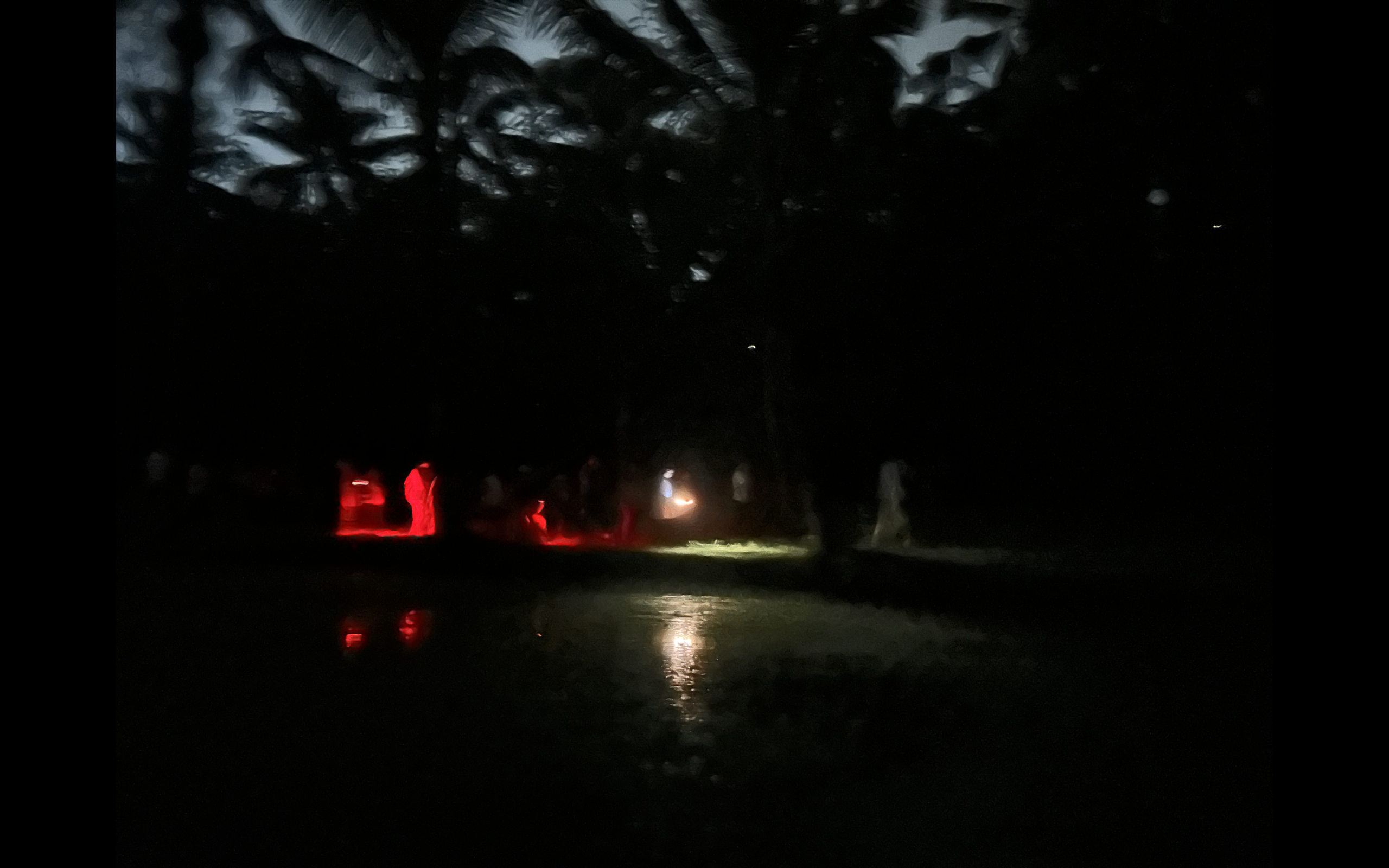
At Rumah Konservasi Kunang-Kunang, also known as Bring Back The Light, we believe nature tourism can do more than entertain visitors.
It can educate people.
It can build awareness.
And it can support conservation.
This belief shapes The Fireflies Journey.
Rather than offering a simple tour to see fireflies, the experience connects four key elements:
Nature + Education + Conservation + Community
See More Than the Glow
Fireflies create a beautiful nighttime experience.
However, their glow tells only one part of the story.
During The Fireflies Journey, visitors can observe fireflies while learning about the environment they depend on. Along the way, they can discover more about biodiversity and understand why healthy habitats matter.
This helps visitors look beyond the visual experience.
See the firefly. Then discover the ecosystem behind it.
Why Do Fireflies Matter?
Fireflies may look small, but their lives depend on suitable environmental conditions and habitats.
For that reason, they provide an interesting starting point for conversations about biodiversity and ecosystem health.
When you learn about fireflies, you can also explore bigger questions.
What makes a habitat suitable?
Why does water quality matter?
How do plants and insects depend on one another?
What happens when natural environments change?
One small insect can therefore open the door to a much bigger conversation about conservation.
Discover a Different Side of Ubud
The Fireflies Journey takes place in Taro, a rural area of Ubud.
Here, you can step away from the busier side of Bali and spend time in a quieter natural environment.
You will not find loud attractions or staged wildlife encounters.
Instead, you observe nature as it is.
Fireflies appear according to natural conditions. Sometimes you see them quickly. Other times, you need to wait.
That uncertainty forms part of the experience.
Nature does not perform on demand.
Slow Down and Experience More
The Fireflies Journey also gives you space to slow down.
Instead of rushing between attractions, you can listen to the night, observe your surroundings, and ask questions.
You may leave without a long list of sights.
However, you may leave with a much deeper understanding of Bali’s nighttime environment.
That is the value of slow travel.
You do less, but you notice more.
How Can You Choose Responsible Eco-Tourism in Bali?

Source: Unsplash
More travelers now search for eco-tourism Bali and sustainable travel experiences.
As demand grows, more businesses use terms such as “eco-friendly” and “sustainable.”
Therefore, travelers should look beyond the label.
Before booking an experience, ask these questions.
Does the Experience Support Conservation?
Start by looking for specific information.
Does the operator support habitat protection? Does it contribute to biodiversity education? Does it work with conservation initiatives?
A responsible operator should explain its environmental contribution clearly.
Does It Involve Local Communities?
Next, find out who participates in the experience.
Do local people guide visitors? Do they share their knowledge? Does tourism create opportunities for the community?
These details can help you identify meaningful community involvement.
Will You Learn Something?
A good nature experience should offer more than a photograph.
Look for guides who explain the environment, answer questions, and help you understand what you are seeing.
After all, learning can turn a short activity into a lasting memory.
How Does the Experience Protect Nature?
Pay attention to practical details.
Does the operator manage waste responsibly? Does it limit group behavior? Does it reduce disturbance to wildlife?
These actions often tell you more than the word “eco” in a tour description.
Does It Respect Wildlife?
Responsible wildlife tourism always puts animal welfare first.
Operators should never encourage visitors to chase, touch, feed, or disturb animals.
Instead, they should teach guests how to observe wildlife respectfully.
Does Your Visit Create Long-Term Value?
Finally, think beyond your own experience.
Ask yourself:
“What does my participation support?”
If your visit contributes to conservation, education, or local communities, you can make your holiday part of a larger positive impact.
Can Eco-Tourism Be Fun?

Source: Unsplash
Absolutely.
Responsible travel does not mean giving up fun, comfort, or memorable experiences.
In fact, it can make your trip more rewarding.
You might discover an animal you have never seen before. You could learn something unexpected about Bali. Perhaps you will meet a local guide who changes the way you see the island.
Sometimes, you may simply spend an evening somewhere quiet and listen to the sounds of nature.
Those moments can stay with you long after your holiday ends.
After all, travel is not always about filling your itinerary.
Sometimes, the best experiences happen when you slow down enough to notice them.
Conclusion: Travel With More Meaning
Bali offers much more than its famous attractions.
Look closer and you will find forests, rice fields, wildlife, rural communities, and nighttime ecosystems that all tell a story.
Eco-tourism Bali gives travelers a way to experience that story with greater awareness and respect.
You can choose experiences that teach you something. You can support local communities. You can respect wildlife and reduce your environmental impact.
Most importantly, you can help protect the places you came to enjoy.
You do not need to travel perfectly.
Instead, start with better choices.
Choose meaningful experiences. Ask questions. Learn from local people. Respect nature.
Because responsible travel is not about seeing less.
It is about seeing more.
See the landscape.
Then discover the ecosystem behind it.
Meet the people.
Then understand their connection to the place.
See a firefly.
Then learn why its habitat matters.
That is the deeper value of eco-tourism in Bali.
Experience The Fireflies Journey in Ubud
Source: Bring Back The Light Team
Looking for an eco-tourism Bali experience that goes beyond ordinary sightseeing?
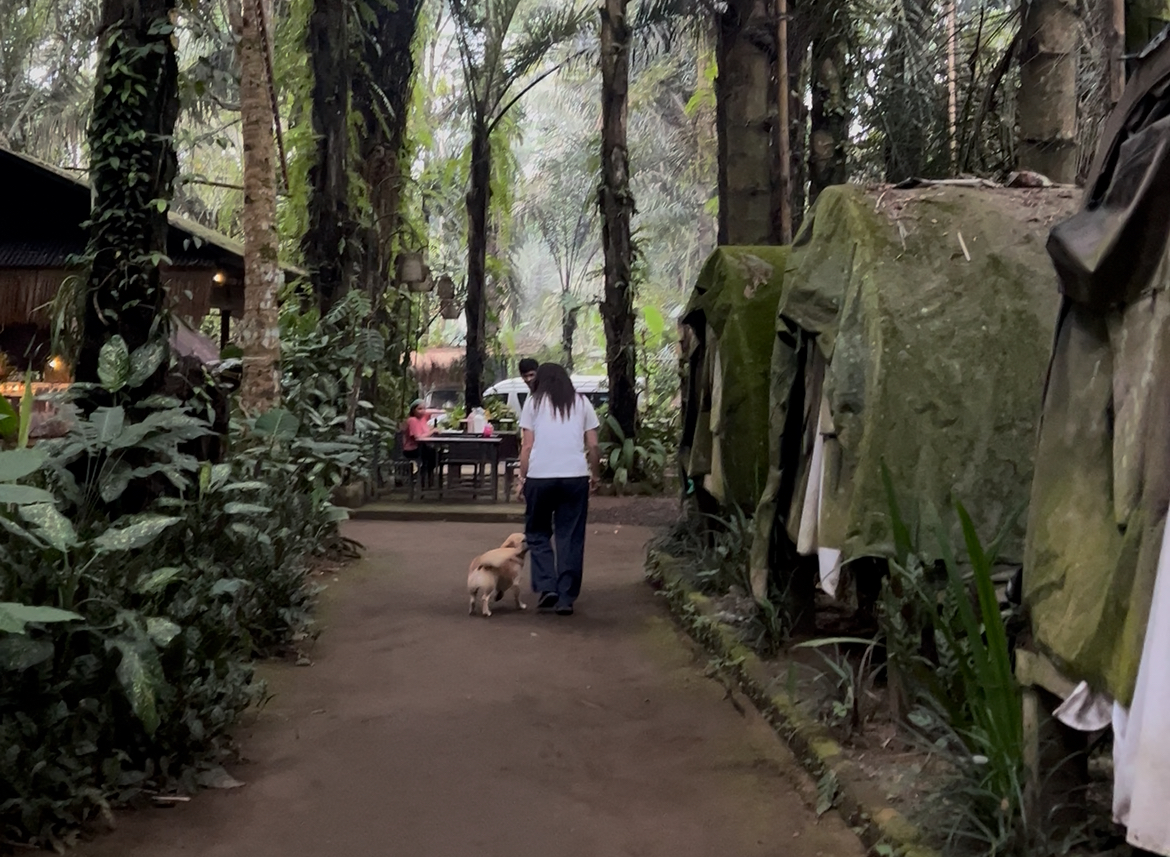
Join The Fireflies Journey by Rumah Konservasi Kunang-Kunang (Bring Back The Light) in Taro, Ubud.
Spend an evening discovering Bali’s nighttime biodiversity. Along the way, observe fireflies, learn about their habitat, and explore why conservation matters.
Slow down.
Listen to the night.
Observe nature.
Learn something new.
Come for the glow. Leave with a deeper connection to nature.