Firefly watching Bali – Have you ever seen fireflies in their natural habitat?
For many travelers, seeing fireflies in Bali can feel almost magical. A quiet evening, the sound of nature, and tiny lights appearing in the darkness can create a completely different experience from the usual sightseeing itinerary.
But firefly watching is not simply about finding a place where fireflies are present.
Fireflies depend on specific environmental conditions to survive and reproduce. Their presence can be influenced by habitat quality, vegetation, water, darkness, and the level of disturbance around them. This means that the way we visit their habitat matters.
If you are looking for a firefly watching Bali experience, responsible wildlife tourism should be part of the journey.
In this guide, we will explore where fireflies can be found, what makes a suitable firefly-watching environment, and seven simple ways to enjoy a Bali firefly experience while respecting the ecosystem.
Why Are Fireflies Special?
Source: Bring Back The Light Team
Fireflies are more than beautiful insects that light up the night.
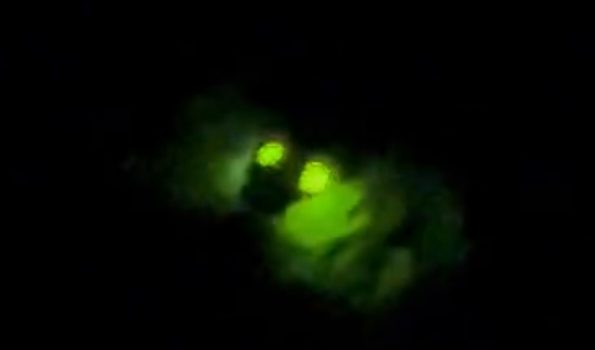
They are known for their bioluminescence, a natural process that allows them to produce light through a chemical reaction in their bodies. Different firefly species use light in different ways, including communication and courtship.
Because many fireflies are active at night, darkness is an important part of their world. Their light signals need to be visible in the surrounding environment.
This is one reason artificial light can be a concern.
Research has shown that artificial light at night can interfere with firefly behavior, including the visual signals used for courtship. In some species, excessive light may make it harder for individuals to locate potential mates and can disrupt their normal activity.
Fireflies are also closely connected to the environments where they live. Their presence can therefore offer an opportunity to learn about the condition of local ecosystems.
Instead of seeing fireflies as simply a nighttime attraction, it is better to think of them as part of a larger ecosystem.
Protecting the habitat means protecting the conditions that allow fireflies to thrive.
Where Can You Firefly Watching Bali?
Source: Bring Back The Light Team
There is no single type of landscape where every firefly species lives.
Different species have different habitat requirements. However, fireflies are generally associated with environments that provide suitable vegetation, moisture, food sources, and conditions for their particular life cycle.
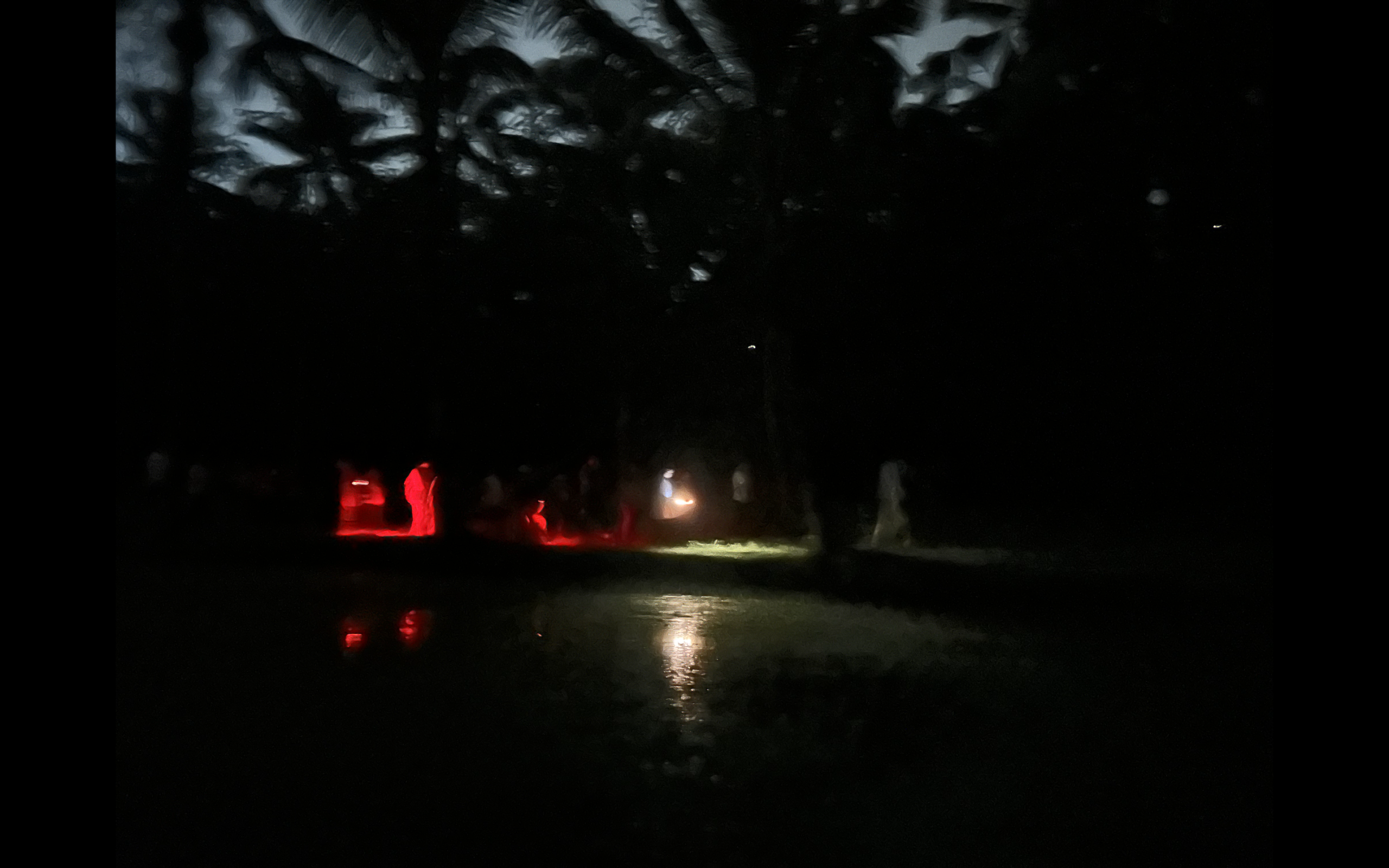
In Bali, natural and semi-natural landscapes can provide opportunities for firefly encounters. These may include areas around:
- Rice fields and agricultural landscapes
- Vegetated areas
- Waterways and areas with sufficient moisture
- Rural landscapes away from intense urban development
- Places with relatively low levels of artificial light
However, seeing fireflies is never guaranteed simply because a location has vegetation or rice fields.
Firefly populations can change over time depending on environmental conditions, seasonality, habitat changes, light pollution, weather, and other factors.
This is why responsible firefly watching in Bali should focus on understanding and protecting habitat rather than simply finding the highest possible number of insects.
A good wildlife experience works with nature instead of trying to control it.
What Makes a Good Firefly Watching Bali Environment?
Source: Bring Back The Light Team
A healthy firefly watching Bali environment is about much more than darkness.
Several environmental factors can contribute to suitable firefly habitat.
1. Suitable habitat
Fireflies need appropriate environments for different stages of their life cycle.
Changing or degrading natural habitat can therefore affect populations over time.
2. Natural vegetation
Vegetation can provide shelter and important microhabitats for insects and other organisms within the ecosystem.
Keeping natural vegetation intact can help maintain a more diverse environment.
3. Water availability
Moist environments and waterways can be important for certain firefly species and their life stages.
This is one reason wetlands, streams, rice-field landscapes, and other water-connected habitats can be ecologically valuable.
4. Low light pollution
Darkness is particularly important for nocturnal fireflies because their bioluminescent signals can be affected by artificial light.
Studies have identified artificial light at night as one of the major conservation concerns for fireflies.
5. Limited disturbance
Wildlife needs space to behave naturally.
Excessive noise, physical disturbance, bright lights, or attempts to handle insects can interfere with the experience and potentially affect the animals.
Together, these factors create an important relationship:
Healthy habitat → suitable conditions → fireflies → meaningful wildlife experiences
This is why conservation and tourism do not have to be separate.
When managed responsibly, tourism can help people understand why these habitats are worth protecting.
7 Ways to Firefly Watching Bali Responsibly
Source: Bring Back The Light Team
If you are planning a firefly watching Bali, there are several simple things you can do to make your visit more responsible.
1. Avoid Flash Photography
One of the easiest ways to reduce disturbance is to avoid using flash.
Fireflies communicate using light, so sudden artificial flashes can interfere with their visual environment. Research has found that camera illumination can temporarily affect firefly flashing behavior in some species.
Instead of trying to capture every moment with your camera, give yourself time to simply observe.
Sometimes the best memory is the one you experience without a screen.
2. Keep Artificial Light to a Minimum
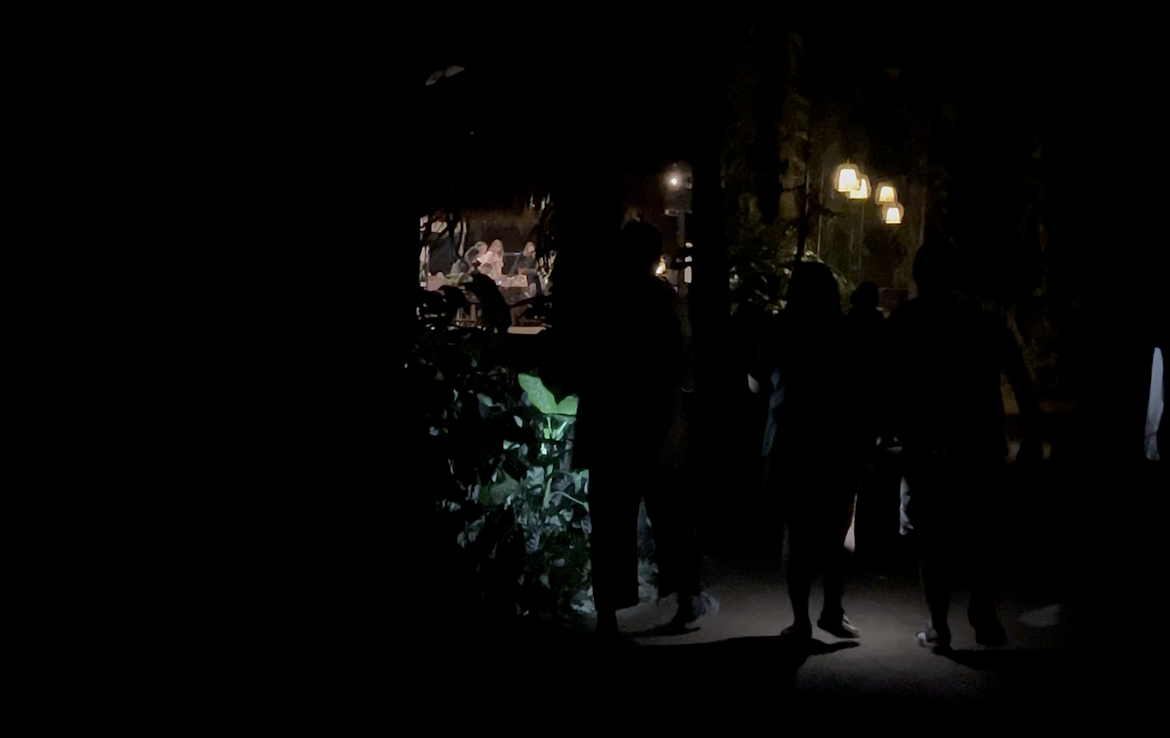
Turn off unnecessary phone lights and avoid shining bright torches directly toward fireflies.
When walking at night, follow your guide’s instructions about lighting.
Reducing artificial light helps preserve the darkness that makes firefly communication possible.
It also allows visitors to experience the nighttime landscape more naturally.
3. Do Not Touch or Catch Fireflies
Fireflies are wildlife, not souvenirs.
Avoid catching them, holding them, or taking them home.
Wild animals should be observed in their natural environment whenever possible. A responsible wildlife experience allows animals to continue their natural behaviors without unnecessary handling.
The goal is not to take something from the experience.
It is to leave the habitat as undisturbed as possible.
4. Stay on Designated Paths
Nighttime environments can be difficult to navigate.
Staying on designated paths helps reduce accidental damage to vegetation and minimizes disturbance to areas that may be important for wildlife.
It also makes the experience safer for visitors.
If you are exploring rice fields, waterways, or rural landscapes, always follow the route provided by your local guide.
5. Keep Noise Levels Low
Firefly watching Bali is a slow experience.
There is no need to shout, play loud music, or create unnecessary noise.
Keeping your voice low allows you to pay closer attention to the sounds of the nighttime environment and helps maintain a calmer atmosphere around the habitat.
In many ways, slowing down is part of the experience.
6. Avoid Leaving Waste Behind
This may sound simple, but it matters.
Bring your waste back with you and avoid leaving plastic, food packaging, or other materials in the environment.
Responsible wildlife tourism starts with basic respect for the place you are visiting.
A beautiful natural experience should not create a larger environmental problem.
7. Follow Your Guide’s Instructions
Local guides can help you understand both the environment and appropriate visitor behavior.
They may ask you to reduce your lighting, stay together, avoid certain areas, or remain quiet when approaching fireflies.
These instructions are not just about making the tour smoother.
They can help reduce disturbance and protect the habitat.
When joining a Bali firefly experience, remember that your guide is there to help you experience nature responsibly.
Why Responsible Firefly Watching Bali Matters
Source: Bring Back The Light Team
It can be tempting to measure a wildlife experience by one simple question:
“How many fireflies did I see?”
But responsible wildlife tourism asks a different question:
“How can I experience wildlife without harming it?”
This distinction is important.
A responsible firefly watching Bali experience should consider several things:
Animal welfare
Wildlife should be observed without unnecessary handling or disturbance.
Habitat protection
The environment supporting the animals should be treated as part of the experience itself.
Visitor education
Travelers should leave with a better understanding of fireflies and the ecosystems they depend on.
Community involvement
Local communities can play an important role in protecting landscapes while creating meaningful and sustainable tourism opportunities.
The goal is not simply to see more fireflies.
The goal is to ensure they can continue to thrive.
This is especially important as artificial light, habitat changes, and other environmental pressures increasingly affect nocturnal ecosystems. Research on fireflies highlights the importance of reducing unnecessary artificial light around suitable firefly habitats and improving awareness of firefly-friendly practices.
When visitors understand this connection, a wildlife tour becomes more than entertainment.
It becomes an opportunity to support conservation through awareness.
Experience Firefly Watching Bali Through The Fireflies Journey
Source: Bring Back The Light Team
If you are searching for firefly watching Bali or a more meaningful eco tour in Ubud, The Fireflies Journey by Rumah Konservasi Kunang-Kunang (Bring Back The Light) offers a different way to experience Bali after dark.
Located in the rural landscape of Taro, Ubud, the experience combines firefly observation with environmental education and conservation.
Rather than treating fireflies as a spectacle, The Fireflies Journey invites visitors to understand the ecosystem behind the lights.
During the experience, visitors can learn about:
- Fireflies and their behavior
- The habitats where they live
- The relationship between biodiversity and healthy ecosystems
- Responsible wildlife-watching practices
- The importance of protecting natural landscapes
- Local conservation efforts and community involvement
The experience is designed around observation, learning, and connection.
You are not simply coming to see fireflies.
You are coming to understand why they are there, what they need, and why protecting their habitat matters.
This approach reflects the principles of responsible wildlife tourism in Bali: creating meaningful visitor experiences while encouraging greater respect for nature and local communities.
What to Expect During The Firefly Watching Bali Experience
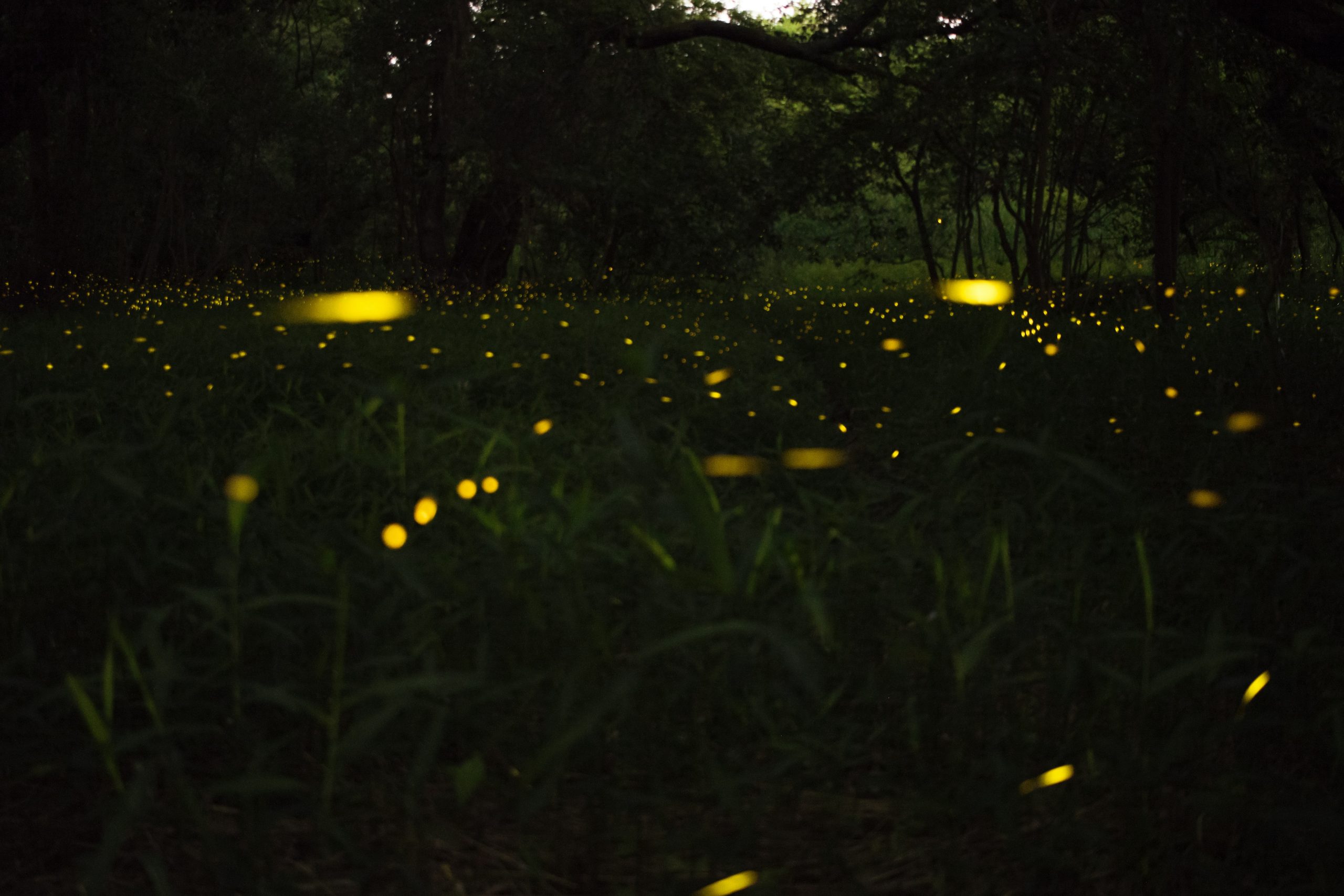
Source: Unsplash
Wondering what a firefly watching Bali actually feels like?
The Fireflies Journey is designed as a gradual transition from learning about the environment to experiencing it.
Before the Experience
The journey begins with preparation and an introduction to the experience.
Visitors learn about fireflies, the surrounding environment, and how to behave responsibly during the observation.
This helps set the right expectations.
Fireflies are wild animals.
Their activity can naturally vary, and the experience is about observing nature rather than expecting nature to perform on demand.
During the Journey
The experience continues through the surrounding landscape.
As the evening develops, visitors have the opportunity to walk, observe, and learn about the environment around them.
Instead of rushing from one attraction to another, the pace encourages you to slow down.
Listen to the nighttime sounds.
Look carefully.
Let your eyes adjust to the darkness.
And pay attention to the small lights appearing around you.
The Firefly Encounter
Then comes the moment many visitors are waiting for.
Fireflies begin to appear in their natural surroundings.
Rather than chasing them or using bright lights to get a closer look, visitors are encouraged to observe from an appropriate distance and allow the fireflies to behave naturally.
This is what makes the experience special.
The magic comes from seeing wildlife where it belongs.
After the Experience
The journey does not end when the lights disappear.
The hope is that visitors leave with more than photographs or a memorable evening.
You leave with a better understanding of why darkness, vegetation, water, biodiversity, and responsible human behavior matter.
A few hours in nature can change the way you see a much larger environmental story.
And that is where the experience connects back to conservation.
Firefly Watching Bali: See the Lights, Protect the Habitat
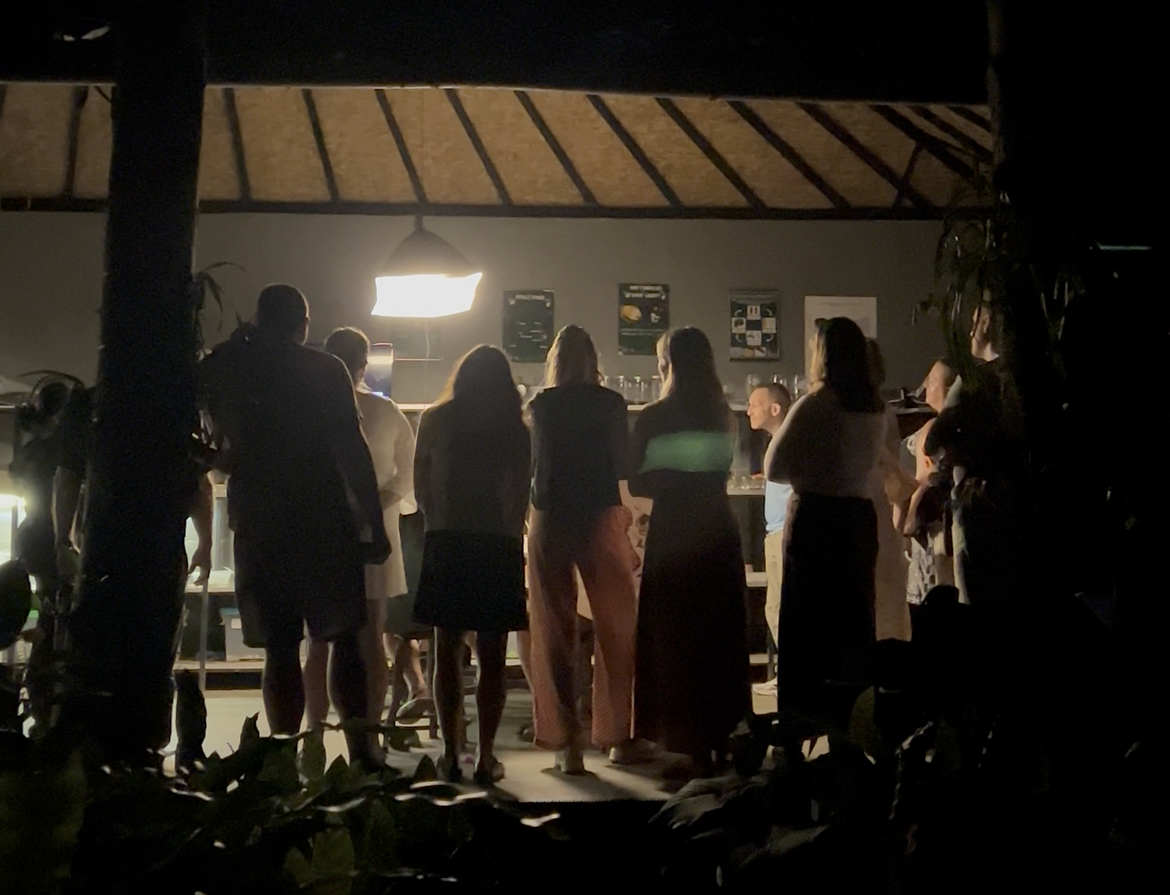
Source: Bring Back The Light Team
Firefly watching becomes more meaningful when the experience helps protect the very environment that makes it possible.
Whether you are looking for firefly watching Bali, a nature tour in Bali, or a unique experience around Ubud, remember that responsible travel begins with respect.
Do not chase the perfect photograph.
Do not try to collect the perfect moment.
Instead, slow down, observe, learn, and let wildlife remain wild.
Because the most successful firefly experience is not simply one where you see beautiful lights.
It is one where you understand why those lights are worth protecting.
Ready to Experience Bali’s Nighttime Biodiversity?
Discover The Fireflies Journey by Bring Back The Light and learn how a simple night in nature can become a meaningful conservation experience.
Come to observe fireflies.
Stay to understand their habitat.
And leave with a deeper connection to the natural world.
Experience fireflies responsibly. Experience the night differently.