Source: Bring Back The Light Team
Peoples Conservation Summit 2026 – Bring Back The Light combines Indigenous knowledge, scientific research, firefly breeding and rearing, and regenerative agriculture to restore one of Bali’s most fragile indicators of biodiversity.
Source: Bring Back The Light Team
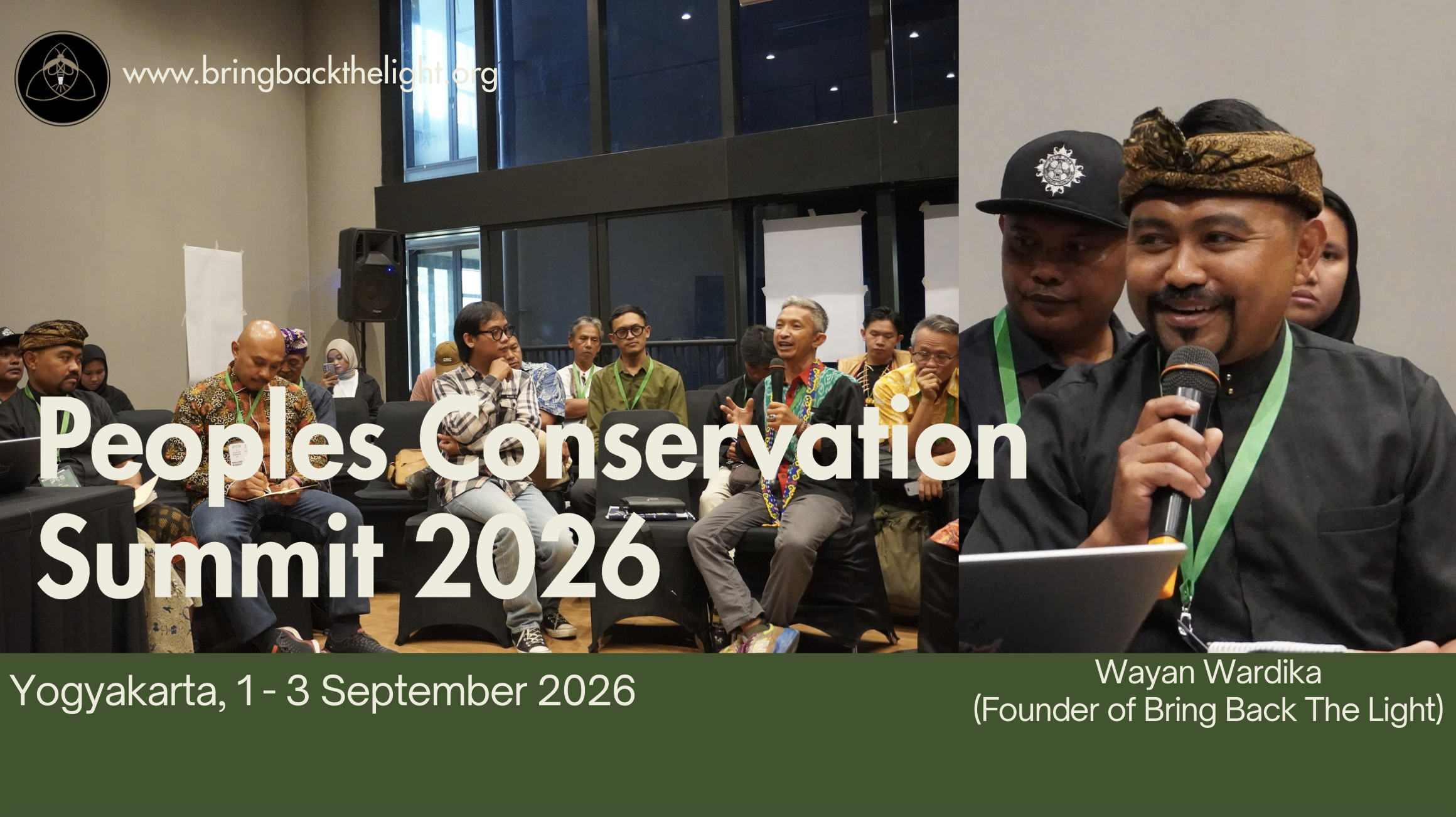
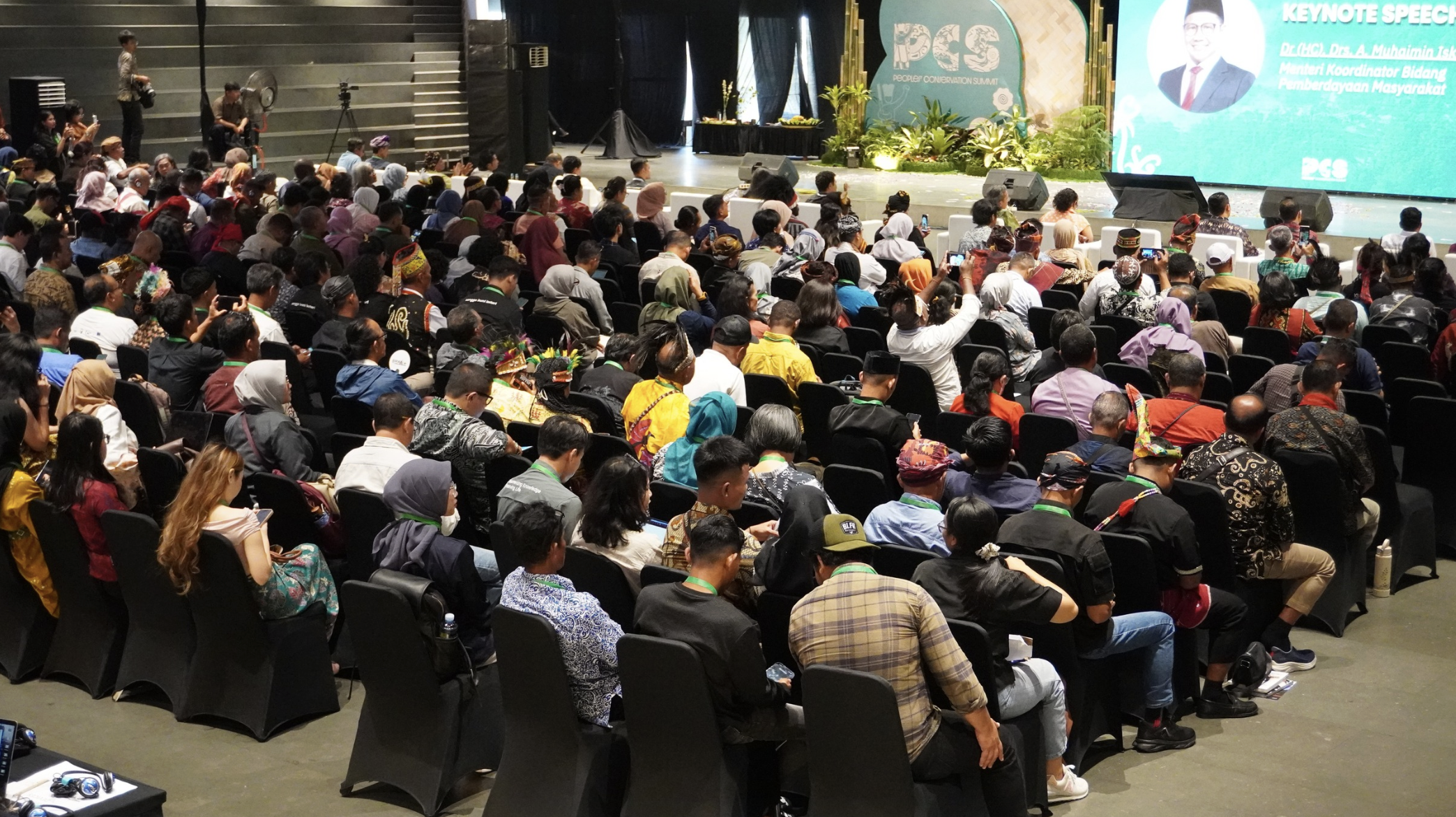
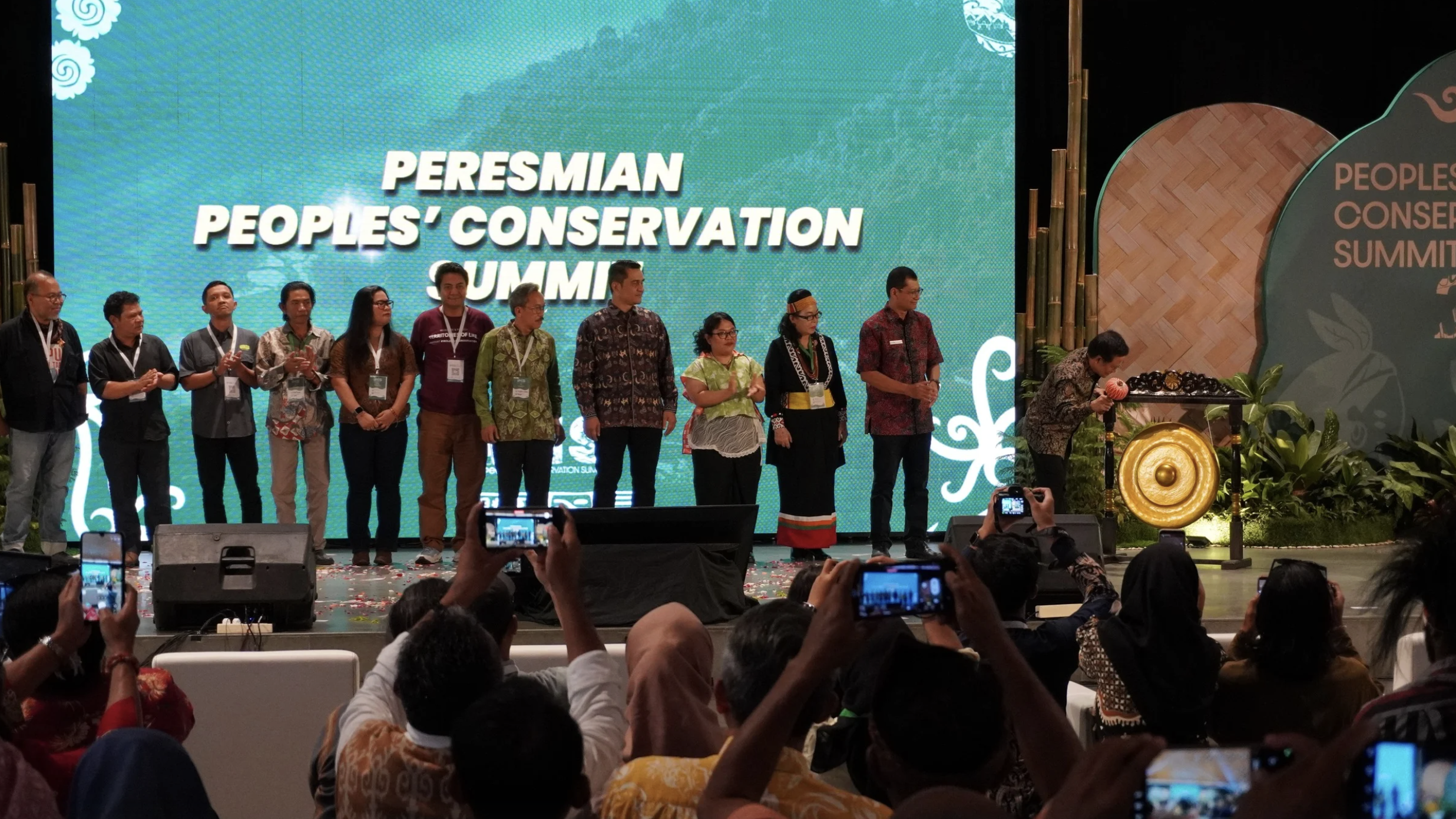
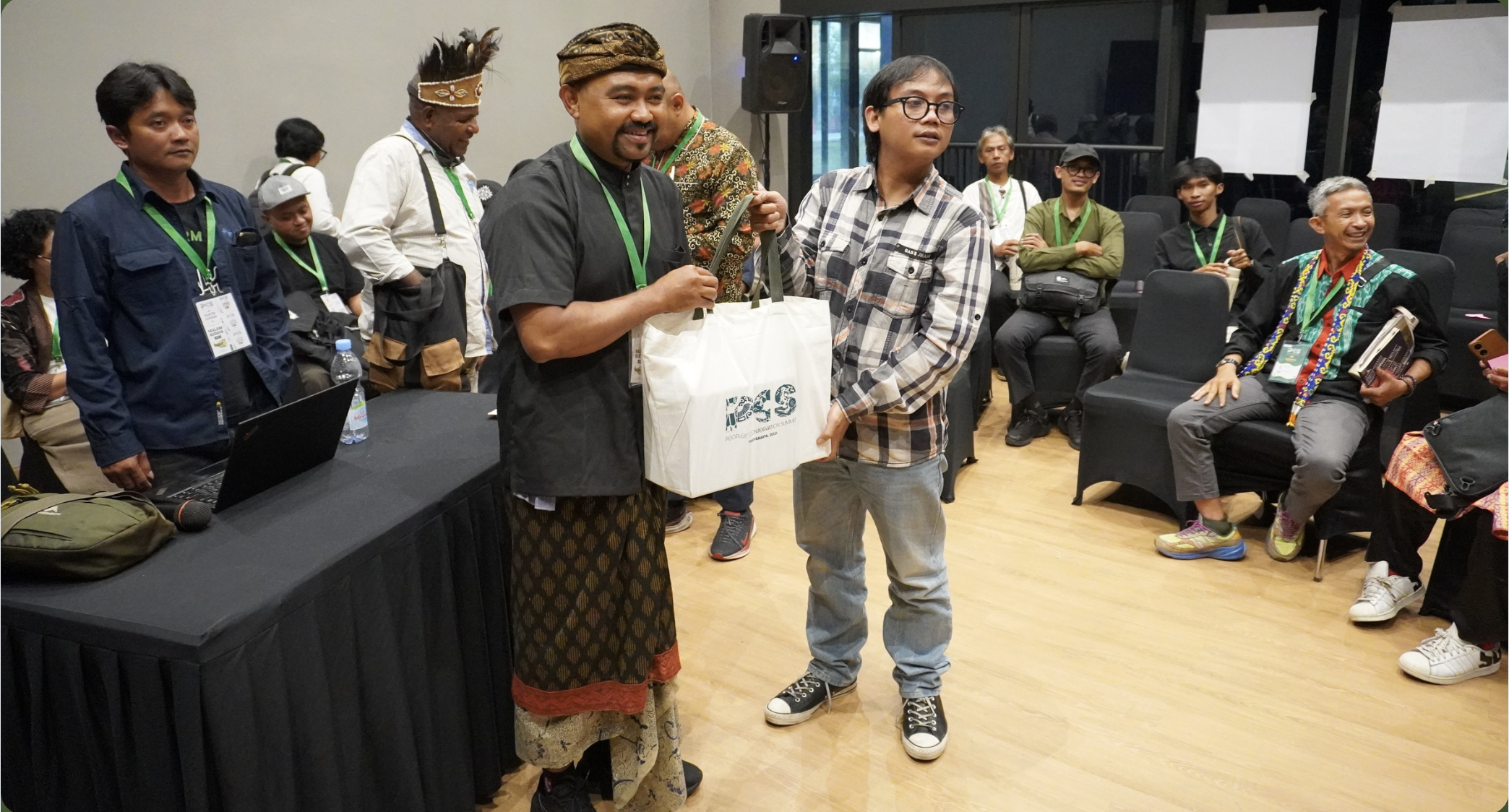
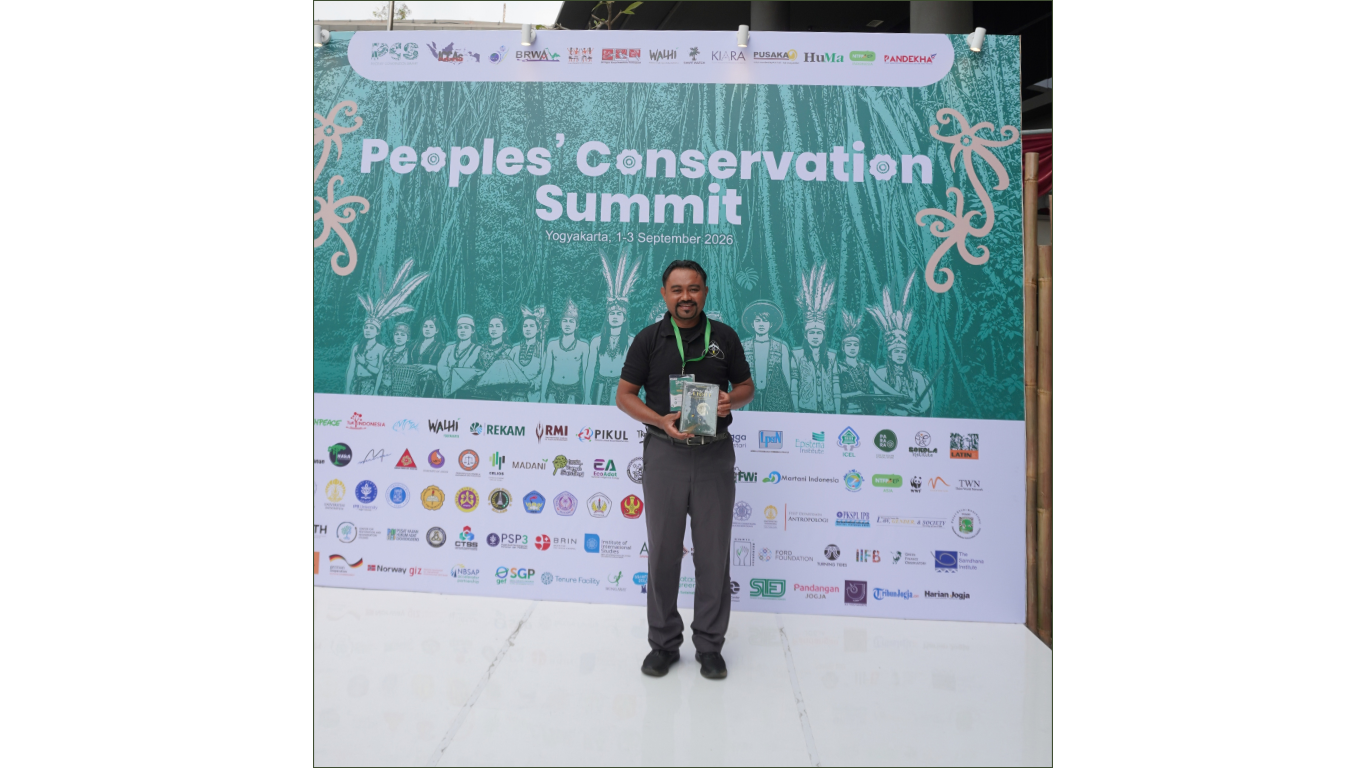
In September 2026, Bring Back The Light joined the Peoples Conservation Summit 2026 in Yogyakarta. This national gathering placed Indigenous Peoples and Local Communities at the heart of Indonesia’s conservation agenda.
Held from 1–3 September 2026, the Peoples’ Conservation Summit 2026 carried the theme, “Decolonizing Conservation: Affirming People’s Sovereignty Over Knowledge and Biodiversity Governance in Indonesia.”
The summit brought together Indigenous communities, local communities, farmers, researchers, academics, civil society organizations, government representatives, and conservation practitioners.
Together, they exchanged knowledge and experiences in protecting Indonesia’s biodiversity. More importantly, they created space for different perspectives on how conservation can work in practice.
I had the honor of joining the People’s Conservation Panel on Ecological and Community-Based Tourism. I represented Taro Village, Bali, and shared the journey of Bring Back The Light.
For us, the Peoples Conservation Summit 2026 meant more than an opportunity to talk about fireflies.
Instead, it gave us an opportunity to share a different way of understanding conservation.
A way where conservation does not separate people from nature.
A way where traditional knowledge does not remain in the past. Instead, it continues to guide modern conservation.
At the same time, science can provide new tools for understanding ecosystems and biodiversity.
Therefore, we believe science, local wisdom, farming, community livelihoods, and responsible tourism can work together.
Ultimately, these approaches can help restore biodiversity while strengthening local communities.
Source: Bring Back The Light
Fireflies Are More Than a Beautiful Light
Source: Bring Back The Light Team
For generations, fireflies have been part of the landscape and cultural memory of Taro.
People who grew up in the village once saw fireflies as a familiar part of the night. Their light did not feel extraordinary. Instead, it belonged to the living landscape.
In Balinese cultural understanding, people also associate fireflies with ancestral presence and the spiritual relationship between people, nature, and the unseen world.
Because of this, fireflies hold meaning beyond their ecological role.
This relationship creates a different starting point for conservation.
A firefly is not simply an insect that we need to protect.
Rather, it is part of a place’s identity.
It is part of a community’s memory.
Moreover, it is part of a living ecosystem that connects forests, farms, rivers, soil, plants, insects, and people.
However, fireflies began disappearing from areas where they once lived in abundance.
As a result, the village lost more than a small nocturnal insect.
It began losing part of its ecological and cultural identity.
For this reason, this change became one of the motivations behind Bring Back The Light.
Why Firefly Conservation Matters in Bali
Fireflies can tell us a great deal about the environments where they live.
These insects respond strongly to environmental changes. Their survival depends on suitable vegetation, clean water, healthy soil, food availability, humidity, darkness, and a functioning ecosystem.
Therefore, protecting fireflies means looking beyond the insects themselves.
We also need to protect the habitats that support them.
In other words, firefly conservation requires a broader approach to biodiversity protection.
This perspective shapes our approach to firefly conservation in Bali.
Instead of focusing only on increasing firefly populations, we also focus on restoring the conditions that allow them to survive in nature.
At the same time, this approach connects biodiversity conservation with agriculture, local knowledge, community livelihoods, and responsible tourism.
As a result, firefly conservation becomes part of a much larger conservation system.
From Traditional Knowledge to Scientific Conservation
Source: Bring Back The Light Team
Bring Back The Light began its conservation work in Taro to restore firefly populations and protect the ecosystems that support them.
Before restoring fireflies, however, we need to understand why their populations declined.
Fireflies respond strongly to environmental changes. Their survival depends on suitable vegetation, clean water, healthy soil, food availability, humidity, darkness, and a functioning ecosystem.
Therefore, breeding fireflies in a laboratory alone cannot solve the problem.
We must also restore the conditions that allow fireflies to live in nature.
This is where traditional knowledge and scientific research meet.
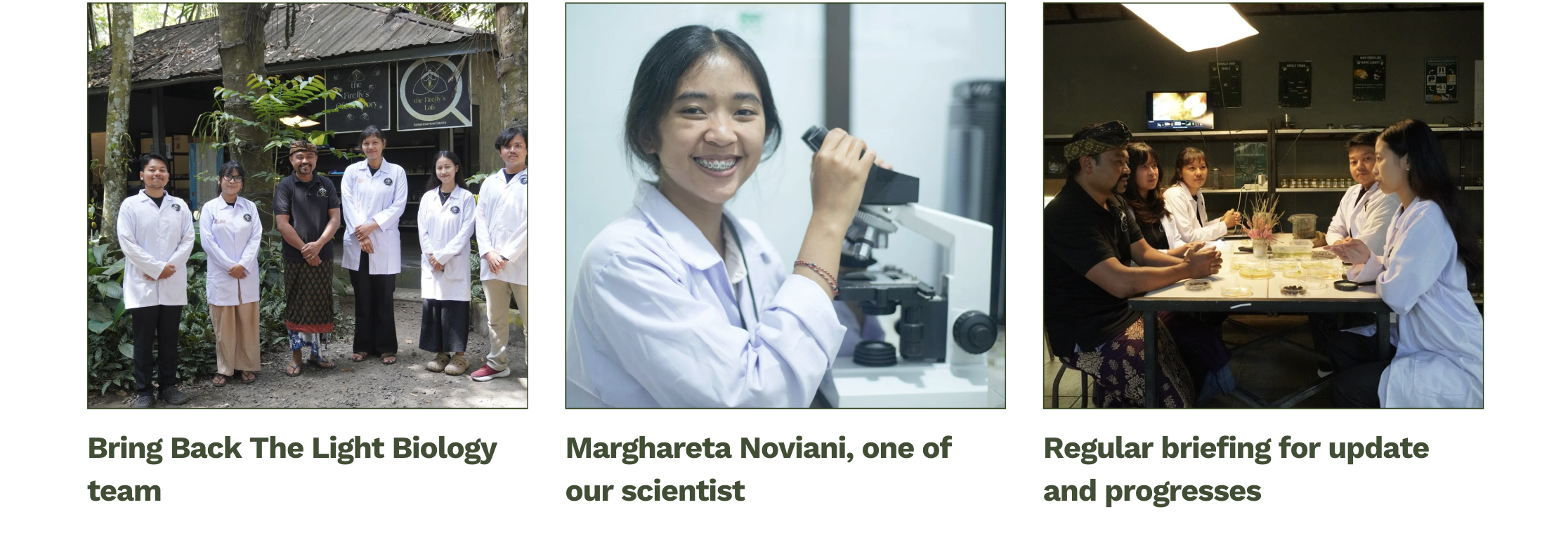
At Rumah Konservasi Kunang-Kunang in Taro, our team studies firefly species, life cycles, behavior, reproduction, and development.
Meanwhile, we stay closely connected to the natural environment.
Our laboratory provides one place for observation and research. At the same time, the surrounding forests, farms, waterways, and landscapes provide a much larger laboratory: nature itself.
Over time, our conservation approach has developed around three interconnected strategies:
1. Breeding and Rearing
We study firefly life cycles and develop responsible breeding and rearing techniques.
Through this work, we can better understand how fireflies develop and reproduce.
2. Habitat Protection and Restoration
We work to maintain and restore the environmental conditions that fireflies need to survive.
In addition, habitat restoration helps support other organisms that share the same ecosystem.
3. Regenerative Agriculture
We explore agricultural practices that can support healthier ecosystems while strengthening local livelihoods.
Together, these three strategies form the foundation of our community-led firefly conservation model.
Breeding and Rearing: Giving Fireflies a Second Chance
Source: Bring Back The Light Team
One major challenge in firefly conservation involves understanding how to increase populations without separating conservation from natural ecological processes.
For this reason, our young research team continues to explore ethical captive breeding and rearing techniques.
Through this work, we aim to understand the firefly life cycle more deeply. At the same time, we hope to increase the number of individuals that can eventually return to suitable natural habitats.
However, breeding alone cannot restore an ecosystem.
Instead, the long-term goal remains clear: create healthy environments where fireflies can survive, reproduce, and return naturally.
That is why our research continues alongside habitat restoration and community-based conservation.
Regenerative Agriculture and Firefly Habitat
Agriculture plays an important role in the landscape of Taro.
For generations, farming has shaped the relationship between local communities and their environment.
Therefore, conservation cannot ignore agriculture.
Instead, we need to explore ways for agricultural landscapes and biodiversity to support each other.
Regenerative agriculture can contribute to healthier soil, stronger ecosystems, and more sustainable relationships between people and the land.
As a result, these practices may also create more supportive conditions for wildlife.
For fireflies, these conditions matter.
Healthy soil, vegetation, water, and surrounding biodiversity can create a more supportive environment for wildlife.
Moreover, this approach can help connect environmental protection with local livelihoods.
This approach also reflects an important principle from the Peoples Conservation Summit 2026: conservation should recognize the knowledge, needs, and experiences of the communities who live within these landscapes.
What the Peoples Conservation Summit 2026 Taught Us
Our participation in the Peoples Conservation Summit 2026 reinforced an important message.
Conservation does not belong to one institution.
It does not belong to one scientific discipline.
And it does not belong to one community.
Instead, conservation requires collaboration.
However, collaboration must begin with respect.
We need to respect the knowledge of Indigenous Peoples and Local Communities. At the same time, we need to recognize their connection to the ecosystems they have cared for across generations.
Scientific research can provide valuable tools and new perspectives.
Meanwhile, traditional knowledge can provide generations of observation and understanding.
Community involvement can then turn conservation principles into everyday action.
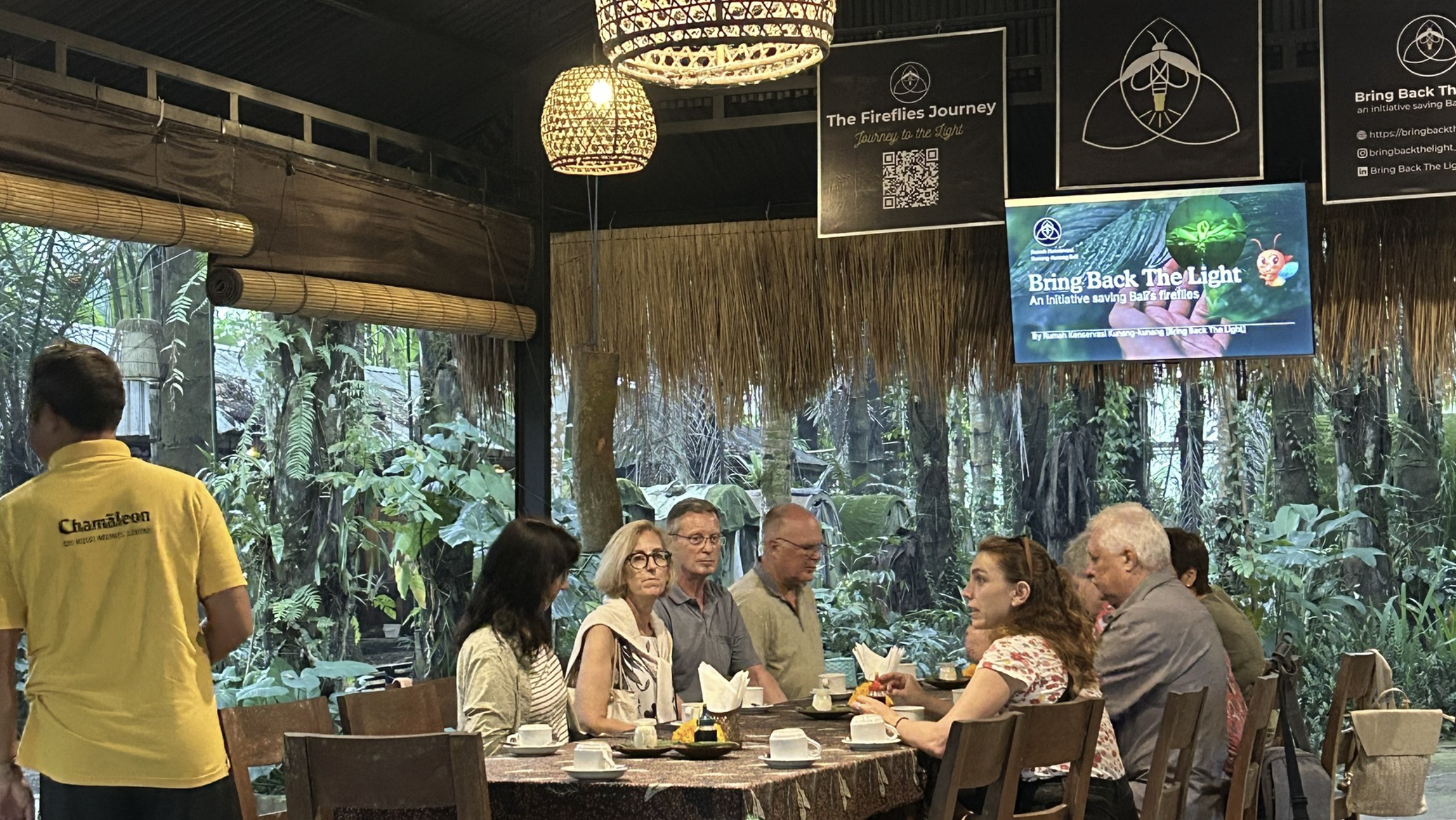
Furthermore, responsible tourism can connect these efforts with visitors.
When these elements work together, conservation becomes more than a project.
It becomes a living process.
From Taro to a Wider Conservation Movement
For Bring Back The Light, the Peoples Conservation Summit 2026 created an important space for reflection.
Our work in Taro may focus on fireflies. However, the lessons extend far beyond one species.
Fireflies connect us to questions about biodiversity, agriculture, water, land, culture, and community.
In addition, they remind us that even the smallest creatures depend on a much larger ecosystem.
They also remind us that conservation cannot succeed when people and nature remain separated.
Instead, we need approaches that allow communities to become active participants in protecting biodiversity.
This is why community-based conservation matters.
It creates space for local knowledge, scientific research, sustainable livelihoods, and environmental protection to work together.
As a result, communities can play a stronger role in protecting the biodiversity around them.
A Message from Taro to the World
Source: Bring Back The Light Team
The Peoples Conservation Summit 2026 reminded us that meaningful conservation begins with listening.
It begins by listening to communities.
It begins by respecting local knowledge.
Most importantly, it begins by understanding the landscape and the people who live within it.
From a small village in Taro, Bali, Bring Back The Light continues to explore what this approach can look like in practice.
Our work brings together firefly conservation, scientific research, regenerative agriculture, community knowledge, and responsible tourism.
Through this work, we hope to share a simple message:
A tiny creature can illuminate a much bigger idea.
When we protect fireflies, we also protect the landscapes, knowledge, communities, and biodiversity that allow them to exist.
Ultimately, the light may be small. However, the conservation story behind it reaches much further.
Nice article.
Thanks for sharing