

Unique Places to Visit in Ubud – Ubud is often described as the cultural heart of Bali. Located in the island’s central highlands, it is known for its rice terraces, temples, traditional arts, and growing ecotourism initiatives. While many travelers associate Ubud with yoga retreats and scenic landscapes, the area also offers distinctive experiences rooted in ecology, cultural continuity, and community-based initiatives.
This article explores five unique places to visit in Ubud. Each destination reflects a different dimension of the region: environmental conservation, agricultural heritage, archaeology, landscape geography, and traditional craftsmanship. Rather than focusing on popularity, this overview highlights what makes each place structurally and culturally distinctive.
1. Bring Back The Light Bali – Community-Based Firefly Conservation Experience

Source: Bring Back The Light
One of the lesser-known ecological experiences in Ubud centers around fireflies, small bioluminescent insects that have historically inhabited Bali’s rural rice field ecosystems.
Fireflies (family Lampyridae) function as natural bioindicators. Their presence generally indicates low light pollution, clean water sources, and minimal pesticide exposure. Across Asia, firefly populations have declined due to urban expansion, artificial lighting, and intensive agriculture. Bali has experienced similar environmental pressures.
Bring Back The Light Bali is an initiative that focuses on restoring awareness of fireflies and their ecological significance. The program commonly known as “The Fireflies Journey” frames fireflies within a broader environmental discussion, connecting biodiversity, traditional irrigation systems (subak), and sustainable farming practices.
Participants are introduced to:
- The ecological role of fireflies
- The relationship between rice field ecosystems and biodiversity
- The effects of light pollution on nocturnal species
- The importance of sustainable land management
Within Ubud’s tourism landscape, Bring Back The Light Bali represents an example of conservation-based travel that emphasizes environmental literacy rather than spectacle.
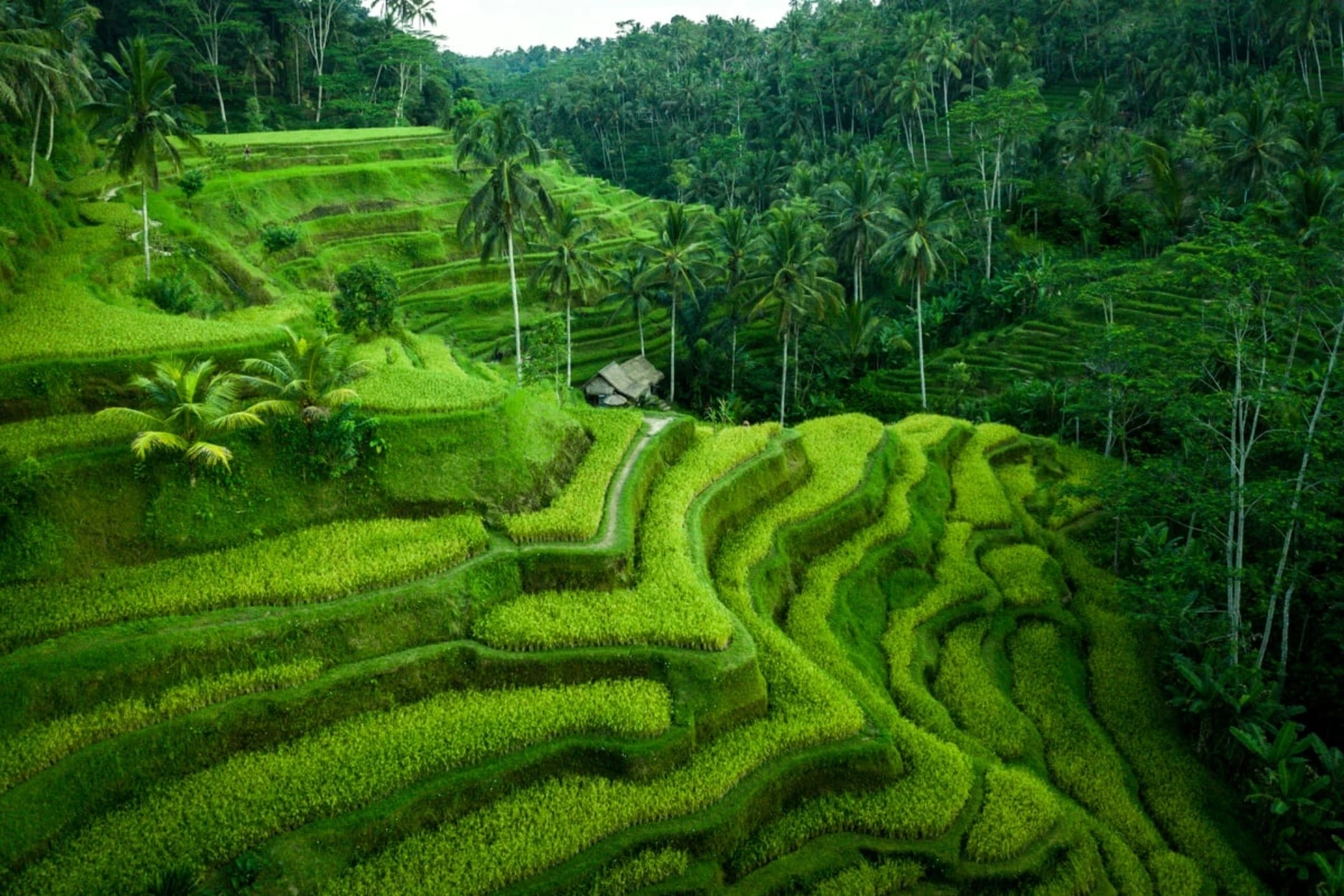
2. Tegallalang Rice Terraces – A Living Agricultural System
Source: 30 Sundays
Tegallalang Rice Terraces are widely recognized for their layered green landscape. However, their significance extends beyond aesthetics. The terraces are part of the subak irrigation system, a cooperative water management network that has shaped Balinese agriculture for centuries and is recognized by UNESCO as cultural heritage.
The subak system reflects the philosophy of Tri Hita Karana, which emphasizes harmony between humans, nature, and spirituality. Water distribution is collectively managed, and rice cultivation remains an active livelihood for local farmers.
Tegallalang’s uniqueness lies in its function as a living socio-ecological system. It illustrates how landscape, religion, and community governance intersect in daily life. At the same time, it also represents the challenges of balancing tourism growth with agricultural preservation.
3. Goa Gajah (Elephant Cave) – Archaeological and Spiritual Heritage

Source: SINDOnews
Goa Gajah, dating back to the 9th century, is one of Ubud’s most significant archaeological sites. The cave entrance features detailed stone carvings depicting mythological imagery. Inside are meditation niches and relics, suggesting its historical use as a spiritual retreat.
The surrounding complex includes bathing pools and excavated artifacts that reflect both Hindu and Buddhist influences. Goa Gajah highlights Bali’s layered spiritual history and demonstrates how ancient sites continue to function within contemporary ritual practices.
Its uniqueness lies in this continuity: it is both a preserved archaeological site and an active spiritual space.
4. Campuhan Ridge Walk – A Transitional Landscape

Source: Balipedia
The Campuhan Ridge Walk offers a geographical perspective on Ubud. Located near the town center, the ridge path runs between two river valleys and provides expansive views of rolling hills.
What distinguishes this site is its transitional quality. Within minutes, visitors move from urban streets into open natural space. The ridge illustrates how Ubud is embedded within a broader ecological basin of forests, rivers, and agricultural land.
As development expands, green corridors such as Campuhan become increasingly significant. The ridge serves not only as a walking trail but also as an example of how open landscapes contribute to environmental balance within growing tourism hubs.
5. Threads of Life – Textile Preservation and Natural Dye Education

Source: TripAdvisor
Threads of Life focuses on preserving Indonesia’s traditional weaving and natural dye techniques. Rather than operating solely as a retail gallery, it documents the relationship between plant-based dyes, local artisans, and intergenerational knowledge systems.
Techniques such as ikat rely on complex dyeing processes derived from roots, leaves, bark, and minerals. As industrial textile production expands, traditional methods face decline.
What makes Threads of Life unique is its educational framing. Textiles are presented not merely as decorative objects but as cultural and ecological artifacts, products of biodiversity, craftsmanship, and community networks.
Conclusion – Unique Places to Visit in Ubud
Ubud’s uniqueness is not defined by a single attraction, but by the interconnected systems that shape it, rice fields sustained by the subak irrigation network, archaeological sites preserving centuries of spiritual history, transitional landscapes balancing development and nature, textile traditions rooted in biodiversity, and emerging conservation initiatives such as Bring Back The Light Bali. Together, these places demonstrate how culture, environment, and community life continue to influence one another in both historical and contemporary contexts. To experience this ecological perspective firsthand, Book your Fireflies Journey tour with Bring Back The Light Bali today.