Coastal fireflies – When people think of fireflies, they often imagine glowing lights in forests or rice fields. But not all fireflies live in calm, green environments. Some thrive in one of the harshest ecosystems on Earth, the coastline. Coastal fireflies, especially those from the genus Atyphella, have evolved to survive in environments shaped by:
- Strong winds
- Salt exposure
- Unstable sandy and rocky ground
- Extreme temperature changes
These conditions would challenge most insects. Yet, coastal fireflies have developed remarkable adaptations that allow them not only to survive, but to function effectively in these dynamic habitats.
1. What Makes Coastal Environments So Challenging?
Before understanding the fireflies, we need to understand their environment.
Shorelines are constantly changing ecosystems. Unlike forests or wetlands, they offer:
- Loose substrates like sand and coral rubble
- High salinity from sea spray
- Limited shelter from heat and predators
- Low moisture stability, increasing the risk of dehydration
For soft-bodied insects like fireflies, these conditions create intense survival pressure.
2. Larval Adaptations: Built for Survival on Sand and Rock
Source: Bring Back The Light Team
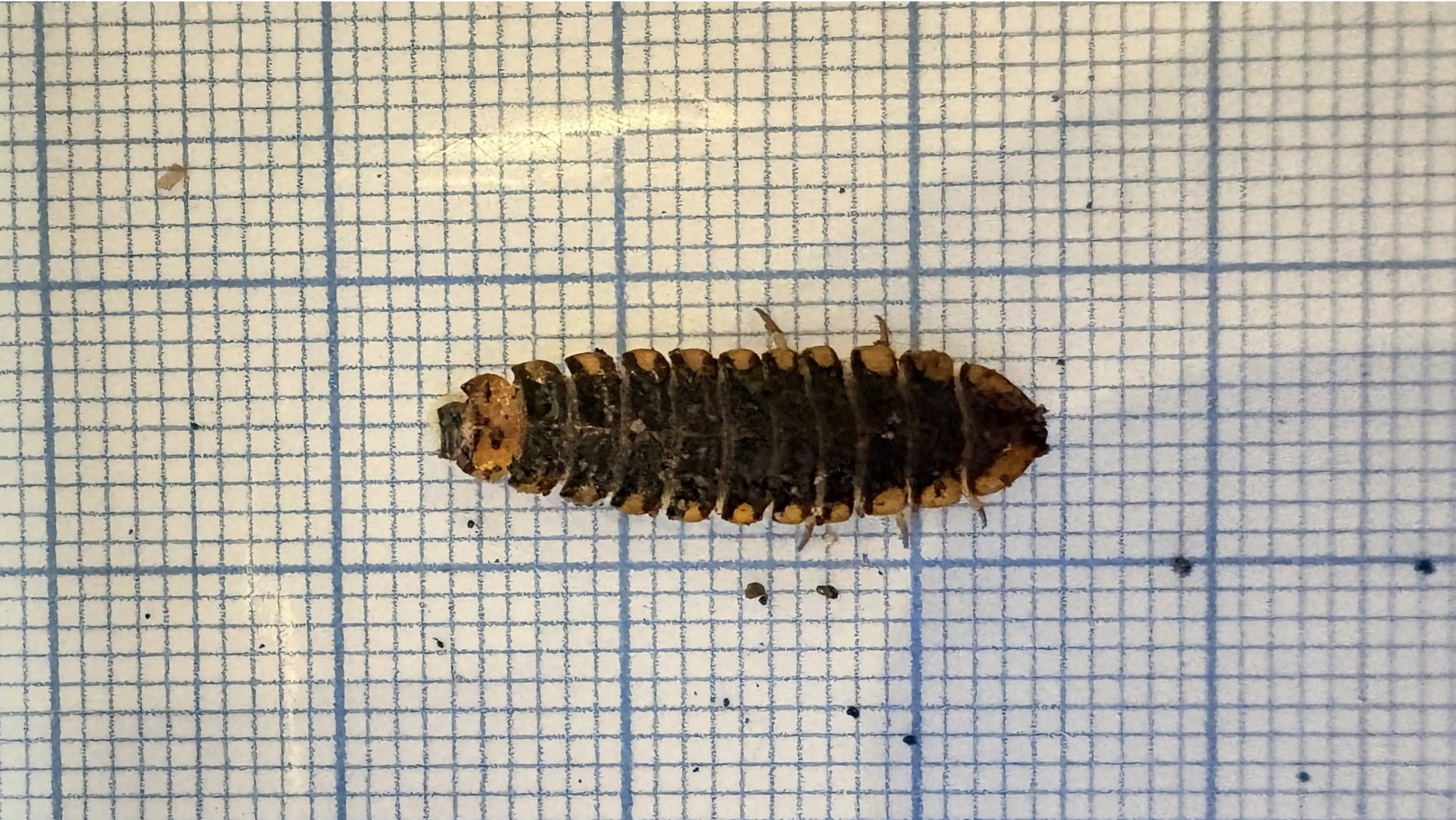
The larval stage is the longest and most critical phase of a firefly’s life. For coastal species, this stage reveals the most striking adaptations.
Flattened Body Shape
Coastal firefly larvae have a dorsoventrally flattened body, allowing them to:
- Hide beneath rocks and coral fragments
- Avoid direct sunlight and dehydration
- Escape predators in open environments
Strong Legs for Crawling (Not Digging)
Unlike inland firefly larvae that burrow into soil, coastal larvae have:
- Short, strong legs
- Claws designed for gripping rough surfaces
This makes them highly effective at moving across:
- Sand grains
- Rocks
- Coral debris
…but poorly suited for digging into soil.
Camouflage and Protection
Their dark coloration (black to dark brown) helps them blend into coastal environments, while lighter markings may act as warning signals to predators.
Specialized Hunting Strategy
Coastal larvae are active predators, mainly feeding on snails.
They use:
- Curved, sharp mandibles
- External digestion (injecting enzymes into prey)
This allows them to efficiently consume slow-moving coastal organisms, a key survival advantage.
Click here for Lamprigera Fireflies: Biology, Mating Behavior, and the Impact of Artificial Light
3. Adult Fireflies: Adapted for Open and Windy Landscapes
Source: Bring Back The Light Team
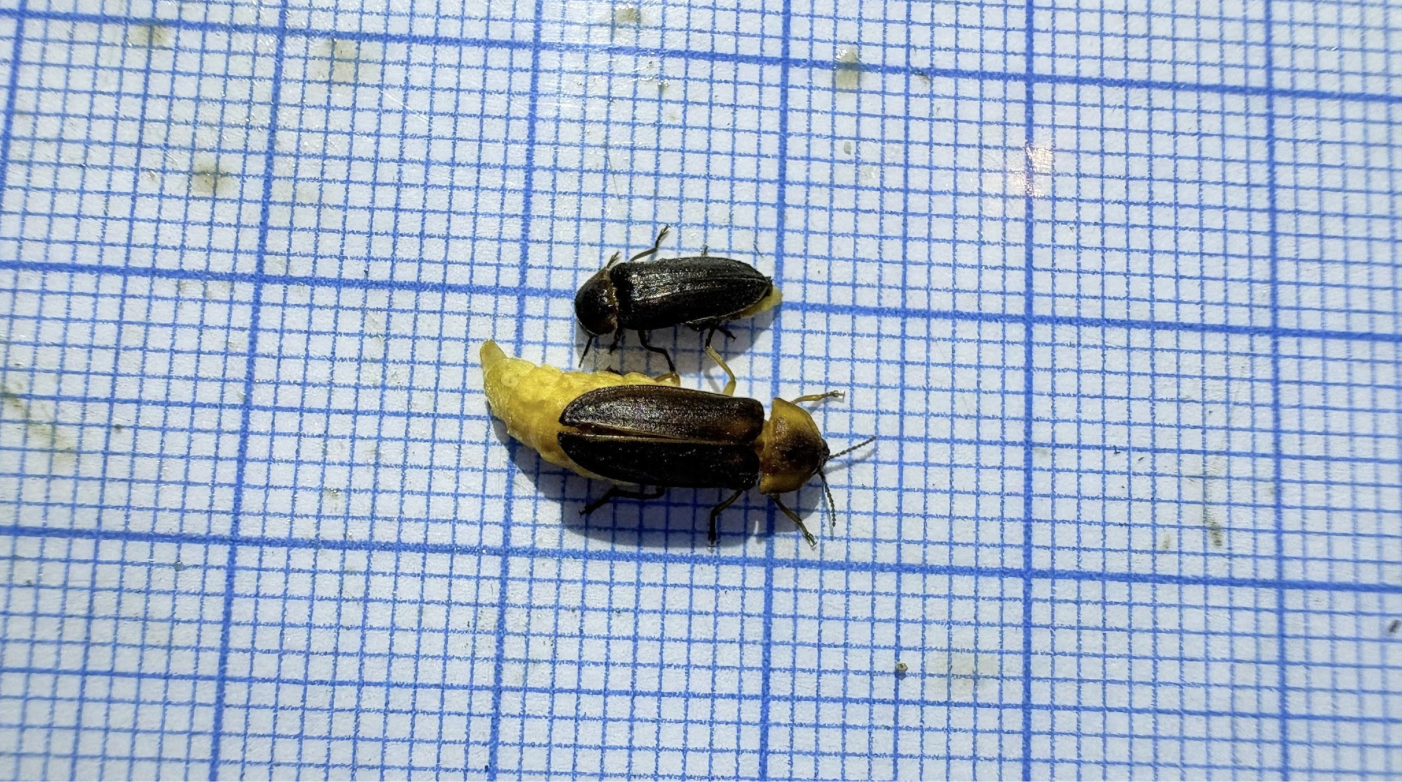
Adult coastal fireflies look and behave differently from their forest relatives.
Lightweight, Streamlined Bodies
Their elongated and flexible bodies:
- Reduce weight
- Improve flight efficiency
- Help them navigate windy coastal conditions
Protective Body Structure
The pronotum (shield-like structure) partially covers the head, offering protection from:
- Wind-blown sand
- Environmental debris
Bioluminescence That Works in Coastal Light
Fireflies are known for their glow, but coastal environments present a unique challenge:
- Moonlight reflecting on sand reduces visibility
To adapt, these fireflies produce:
- Yellow to yellow-green light
- Steady or rhythmic signals
This ensures their bioluminescence remains visible even in reflective environments.
4. Eggs and Pupae: Survival Without Complex Structures
Source: Bring Back The Light Team
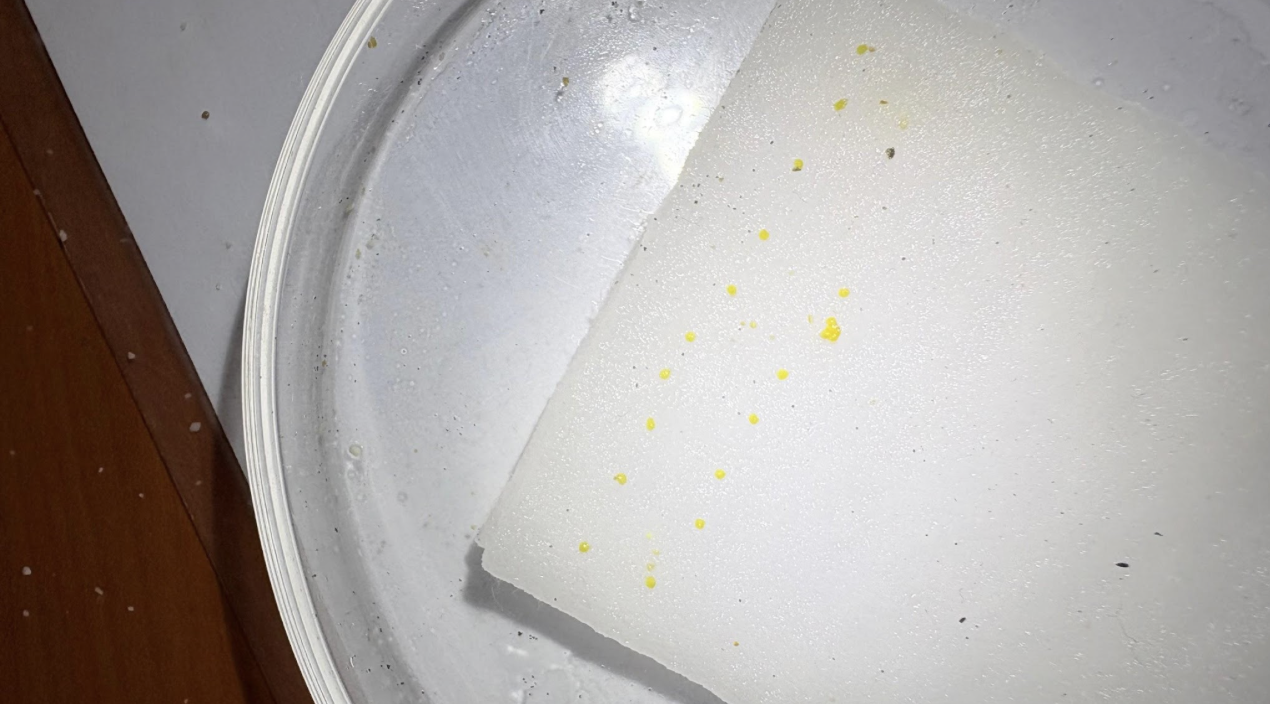
Coastal fireflies keep things simple, but effective.
Eggs
- Small and oval
- Laid in moist areas under sand or rocks
- Protected naturally by microhabitats
Pupae
- Develop without cocoons
- Rely entirely on hiding spaces for protection
This strategy shows a strong dependence on the environment rather than complex behavior.
5. Why These Adaptations Matter
The morphology of coastal fireflies is not random, it is a direct response to their environment.
Their adaptations show a powerful connection between:
- Body structure
- Behavior
- Habitat conditions
Compared to forest fireflies, coastal species are:
- More exposed
- More physically adapted
- More dependent on microhabitats
This makes them highly specialized and also more vulnerable to environmental changes.
6. Coastal Fireflies and Ecosystem Health
Fireflies are more than just beautiful insects. They are bioindicators, meaning their presence reflects the health of an ecosystem.
For coastal environments, this is especially important.
If coastal firefly populations decline, it may signal:
- Habitat degradation
- Pollution
- Loss of biodiversity
Protecting them means protecting the entire shoreline ecosystem.
7. Conservation Implications: Why We Should Care
Because of their specialization, coastal fireflies are highly sensitive to:
- Coastal development
- Light pollution
- Habitat disturbance
Understanding their morphology and behavior helps:
- Improve conservation strategies
- Support habitat protection
- Enable successful captive rearing programs
Without this knowledge, conservation efforts risk being ineffective.
8. Conclusion
Coastal fireflies from the genus Atyphella are a powerful example of how life adapts to extreme environments.
From flattened larvae built for hiding in rocks to adults capable of glowing in reflective coastal landscapes, every part of their biology reflects survival in a challenging world.
These insects remind us that even in the harshest conditions, nature finds a way through adaptation, specialization, and resilience.
If you want to understand fireflies beyond their glow, start by understanding their environment.
Supporting conservation initiatives and responsible experiences helps protect these fragile ecosystems ensuring that future generations can continue to witness their light.
Because when we protect fireflies, we protect far more than just an insect, we protect the balance of nature itself.