Lamprigera fireflies are fascinating glowing insects belonging to the family Lampyridae. These tropical fireflies can be found in regions such as Indonesia, where warm climates and natural habitats support their life cycle.
Unlike many other firefly species, Lamprigera rely heavily on dark nights to communicate, reproduce, and survive. However, the growing presence of artificial light pollution is becoming a major threat to their population.
What Are Lamprigera Fireflies? 
Source: Bring Back The Light
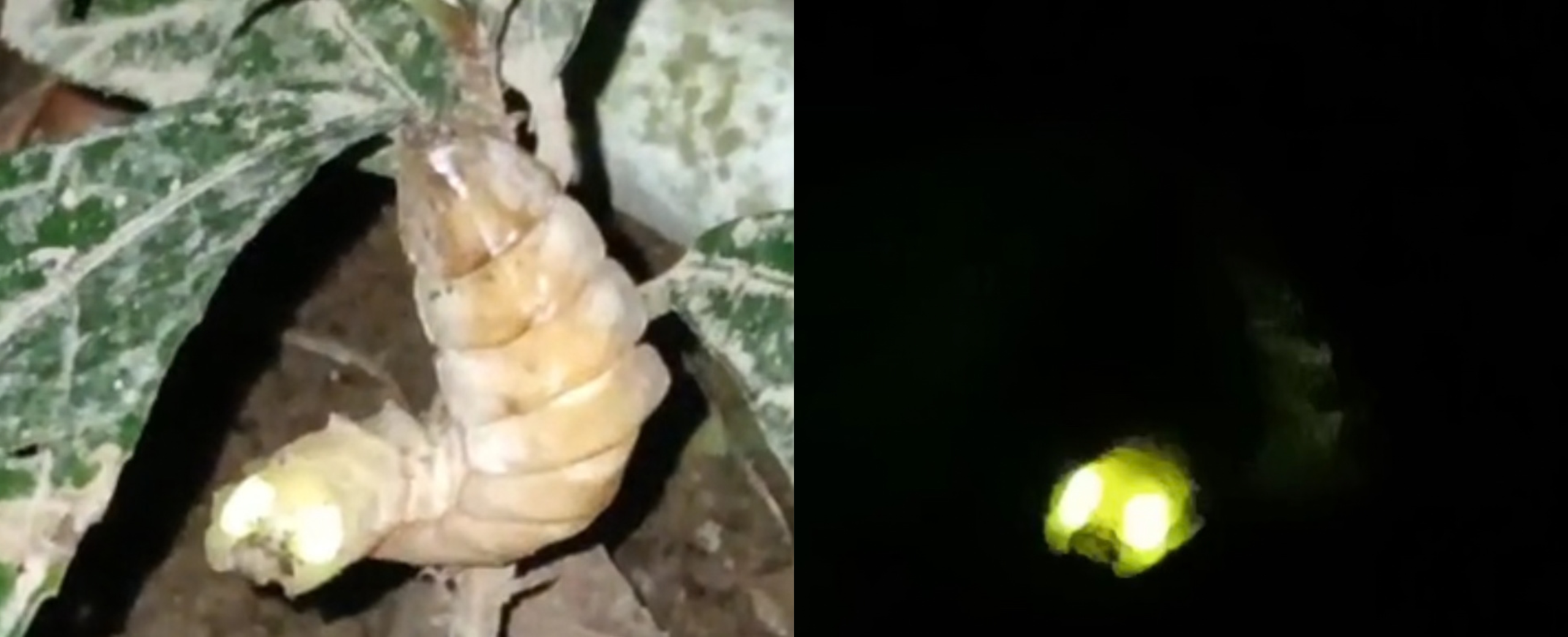
Lamprigera fireflies are nocturnal insects that typically live in forests, moist shrubs, and areas near rivers or streams. They are known for their steady bioluminescent glow, which they use for communication and protection.
Unlike fireflies that flash in synchronized groups, Lamprigera species communicate through individual light signals. This glowing behavior plays a crucial role in their mating process and survival in the wild.
Their light is produced through a natural chemical reaction known as bioluminescence, a phenomenon common among fireflies.
Morphology of Lamprigera
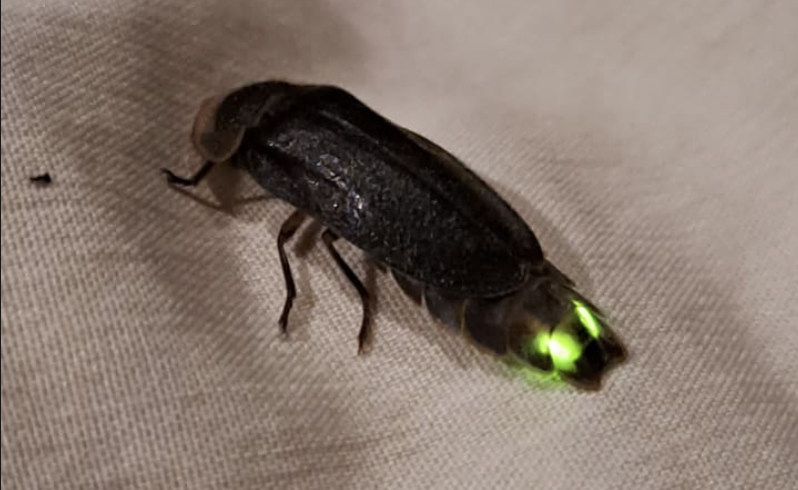
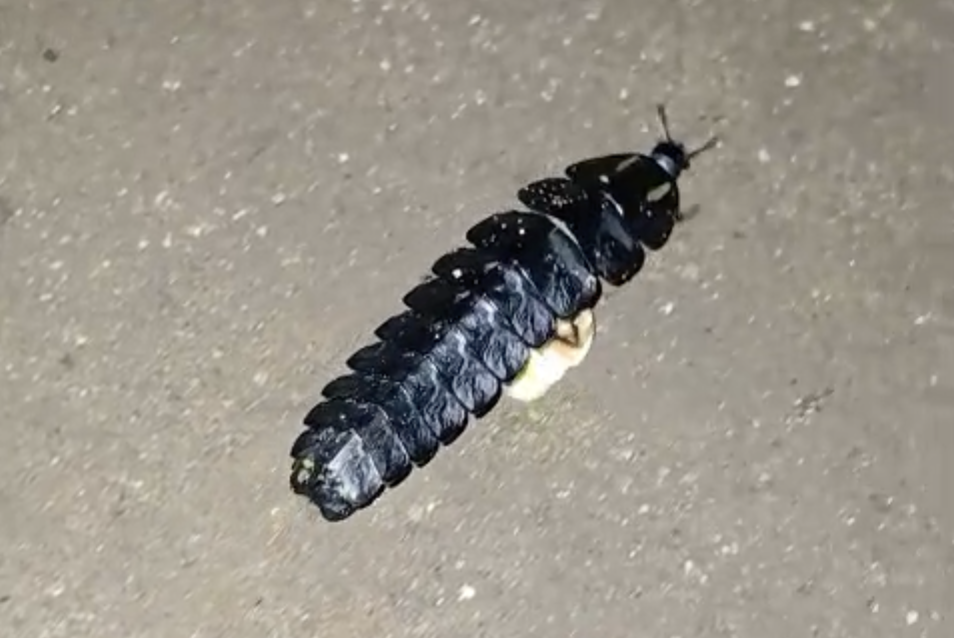
Lamprigera show clear physical differences between males and females, a trait known as sexual dimorphism.
Male Lamprigera Fireflies
Source: Bring Back The Light Team
Slim and lightweight bodies
Fully developed wings that allow them to fly actively at night
Bright glowing abdomen used to attract females during mating flights
Male fireflies are the primary searchers during reproduction, flying through dark environments while emitting light signals.
Female Lamprigera Fireflies
Source: Bring Back The Light Team
Larger and heavier bodies
Reduced or non-functional wings, meaning they usually stay on plants, leaves, or the ground
Dimmer glow used to respond to male mating signals
Because females rarely fly, successful mating depends on clear visual communication in the dark.
Mating Behavior and Light Communication
Source: Unsplash
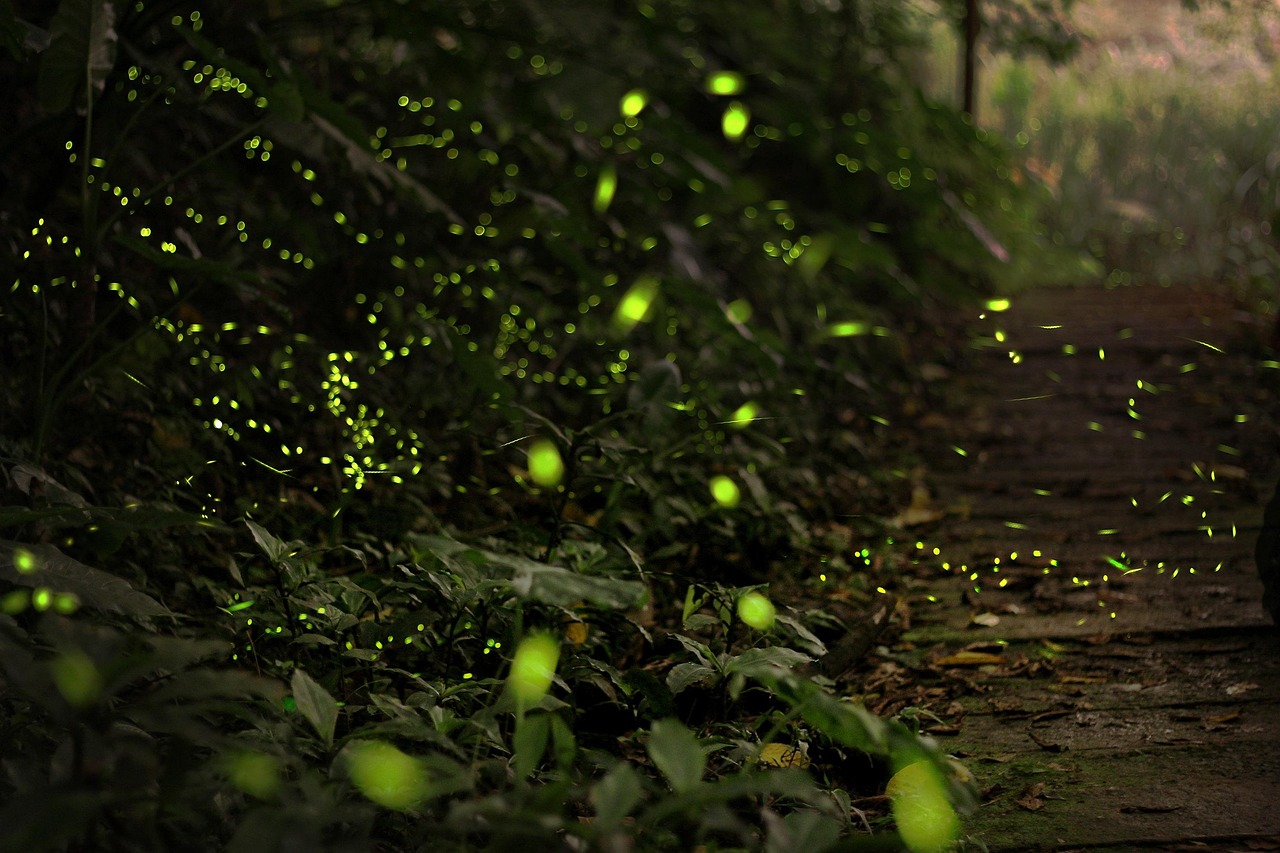
The mating behavior of Lamprigera relies almost entirely on light-based communication.
The process works as follows:
Male fireflies fly through the dark while flashing light signals.
Females observe these signals from plants or the ground.
If interested, females respond with their own glow.
The male then locates the female and approaches for mating.
This delicate communication system works only in natural darkness. Even small amounts of artificial light can interrupt or mask these signals, making it difficult for fireflies to find each other.
Click Here for The Glow Code: How Fireflies Use Light to Communicate and Survive
How Artificial Light Affects Lamprigera
Source: Unsplash
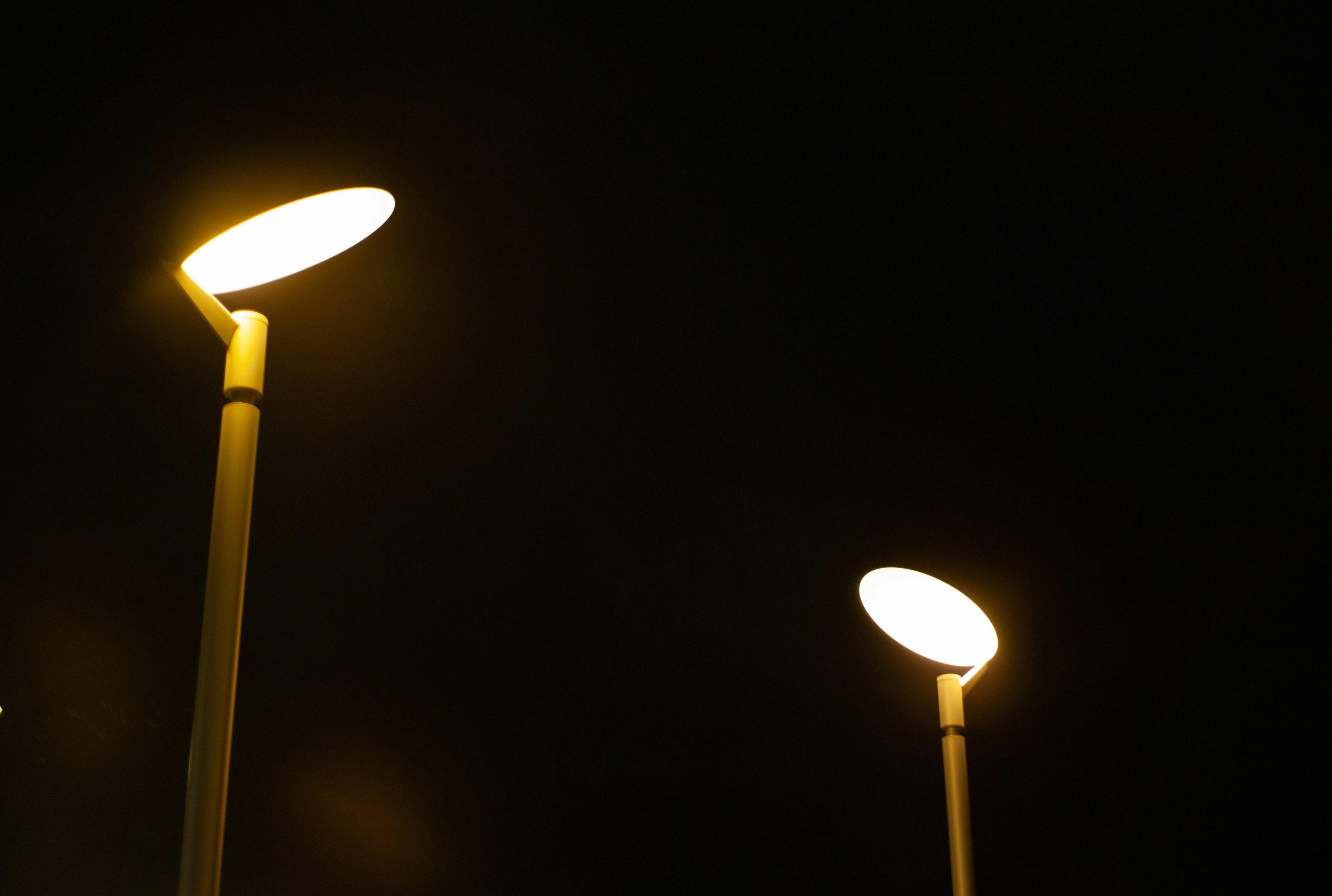
Artificial lighting from street lamps, houses, and tourism areas is increasingly disrupting firefly ecosystems. This phenomenon is widely known as light pollution.
1. Attraction to Artificial Lights
Male fireflies can mistake streetlights or bright lamps for female signals. As a result, they may spend hours circling lights, wasting energy instead of finding mates.
2. Disrupted Reproduction
Bright environments make it harder for females to see male signals. When their natural glow becomes invisible, mating success decreases significantly.
3. Increased Predation
Artificial light exposes flying males to predators such as:
spiders
geckos
nocturnal birds
Bright areas remove the natural cover of darkness that normally protects them.
4. Population Decline
When mating success decreases over time, firefly populations begin to shrink. Because fireflies are important bioindicators, their decline can signal ecosystem imbalance and habitat degradation.
Conservation Efforts to Protect Lamprigera

Source: Bring Back The Light
Protecting Lamprigera fireflies requires simple but effective environmental actions.
Key conservation strategies include:
Reducing unnecessary outdoor lighting
Using warm-colored or dim lights
Limiting illumination near forests, rivers, and natural habitats
Protecting dark night environments
Maintaining natural darkness allows fireflies to continue their communication, reproduction, and ecological roles.
Conclusion
Lamprigera fireflies are more than just beautiful glowing insects. They play an important role in maintaining healthy ecosystems and act as natural indicators of environmental quality.
However, artificial light pollution is threatening their survival. By protecting dark habitats and adopting responsible lighting practices, we can help ensure that these remarkable fireflies continue to glow in nature for generations to come. ✨