
Bali biodiversity – When the sun sets, most travelers return to their hotels. But for nature, the night is just beginning.
For many visitors, Bali is defined by its sunlit beaches, emerald rice terraces, volcanic landscapes, and vibrant cultural traditions. Days are often filled with temple visits, waterfalls, surfing, or exploring local markets. As evening approaches, most itineraries shift toward dinner, beach clubs, or simply resting for another adventure the next morning.
Yet beyond the familiar attractions lies another side of the island that many travelers never experience.
As darkness settles across forests, rice fields, rivers, and rural landscapes, a different world slowly awakens. The chorus of insects grows louder. Frogs emerge from hidden corners of wetlands. Bats begin their nightly flights. Owls silently patrol the trees. Tiny flashes of light appear among the vegetation as fireflies begin their evening displays.
This hidden nighttime world is an essential part of Bali biodiversity. While often overlooked, these nocturnal ecosystems are just as vibrant and important as the landscapes admired during daylight. Every species plays a role in maintaining ecological balance, supporting agriculture, pollinating plants, controlling insects, and sustaining healthy habitats.
Exploring nature after sunset offers more than a unique travel experience. It provides a deeper understanding of how interconnected Bali’s ecosystems truly are and why protecting them matters for local communities, wildlife, and future generations.
Whether you are passionate about wildlife, conservation, photography, or simply seeking a slower way to experience the island, discovering Bali biodiversity at night reveals a perspective few travelers ever see.
Bali Biodiversity Comes Alive After Dark
Source: Pexels
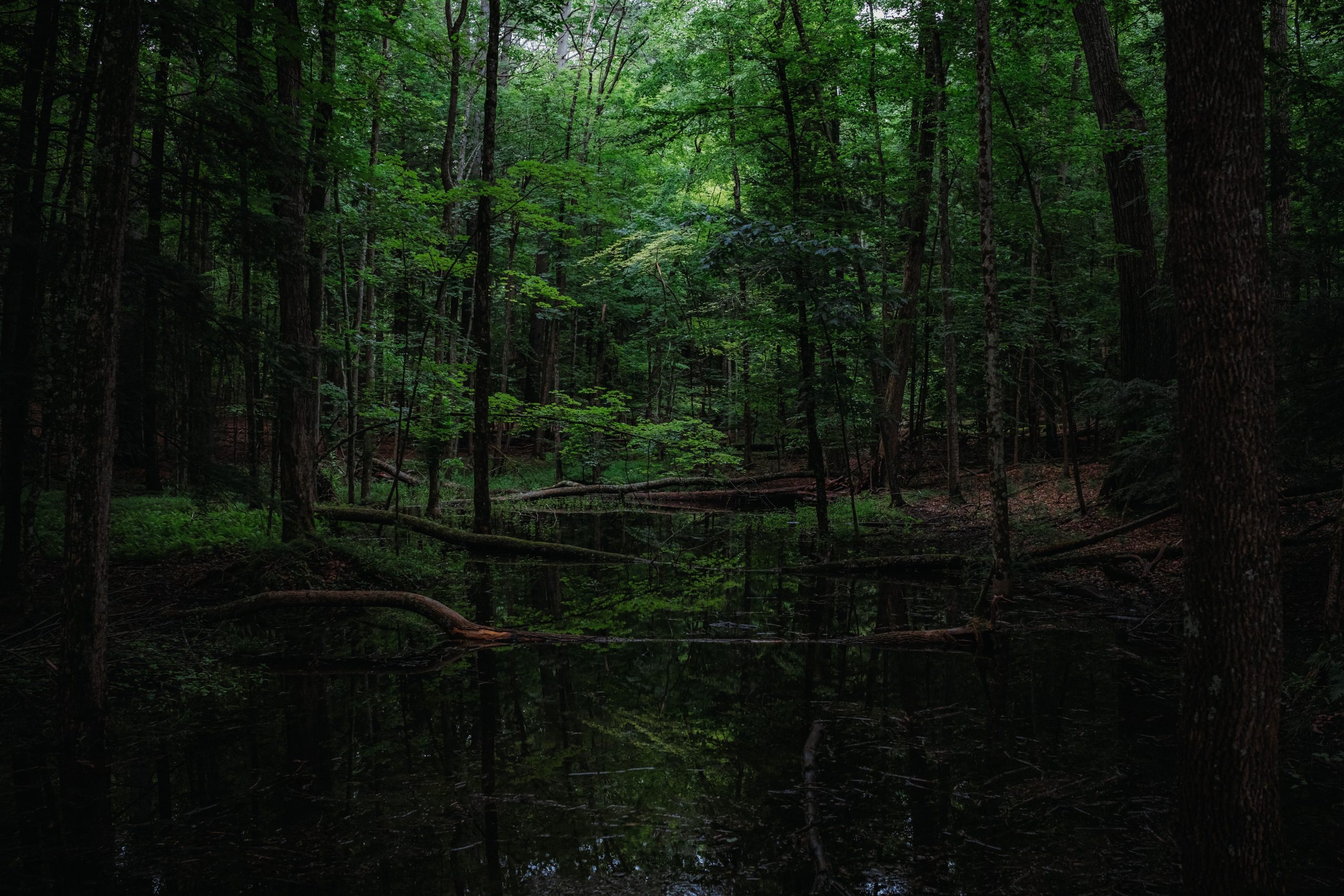
As daylight fades, Bali undergoes a remarkable transformation.
The bustling roads become quieter, village life slows, and the island’s natural soundscape begins to change. Instead of birdsong and human activity, the evening fills with the rhythmic calls of frogs, the chirping of crickets, the rustling of leaves, and the distant sounds of flowing water.
These sounds are more than background noise. They signal that an entirely different community of wildlife has become active.
Many animals avoid the heat and predators of the daytime by becoming nocturnal. Cooler temperatures also make nighttime an ideal period for feeding, hunting, pollinating flowers, and reproducing.
Rice fields become especially dynamic after sunset. What appears to be a calm agricultural landscape during the day transforms into a thriving ecosystem where insects, amphibians, reptiles, birds, and mammals interact throughout the night.
This shift highlights one of the most fascinating aspects of Bali biodiversity. The island’s ecological richness is not limited to what visitors can see under the sun. Instead, biodiversity operates around the clock, with different species contributing to ecosystem health at different times of day.
For travelers willing to slow down and observe, the night reveals details that daylight often hides.
Meet the Wildlife Behind Bali Biodiversity
Source: Pexels
One of the greatest rewards of exploring nature after dark is encountering wildlife that rarely appears during the day. Although many species remain hidden, their presence supports the balance of Bali’s ecosystems.
Fireflies
Among the most enchanting nocturnal species are fireflies.
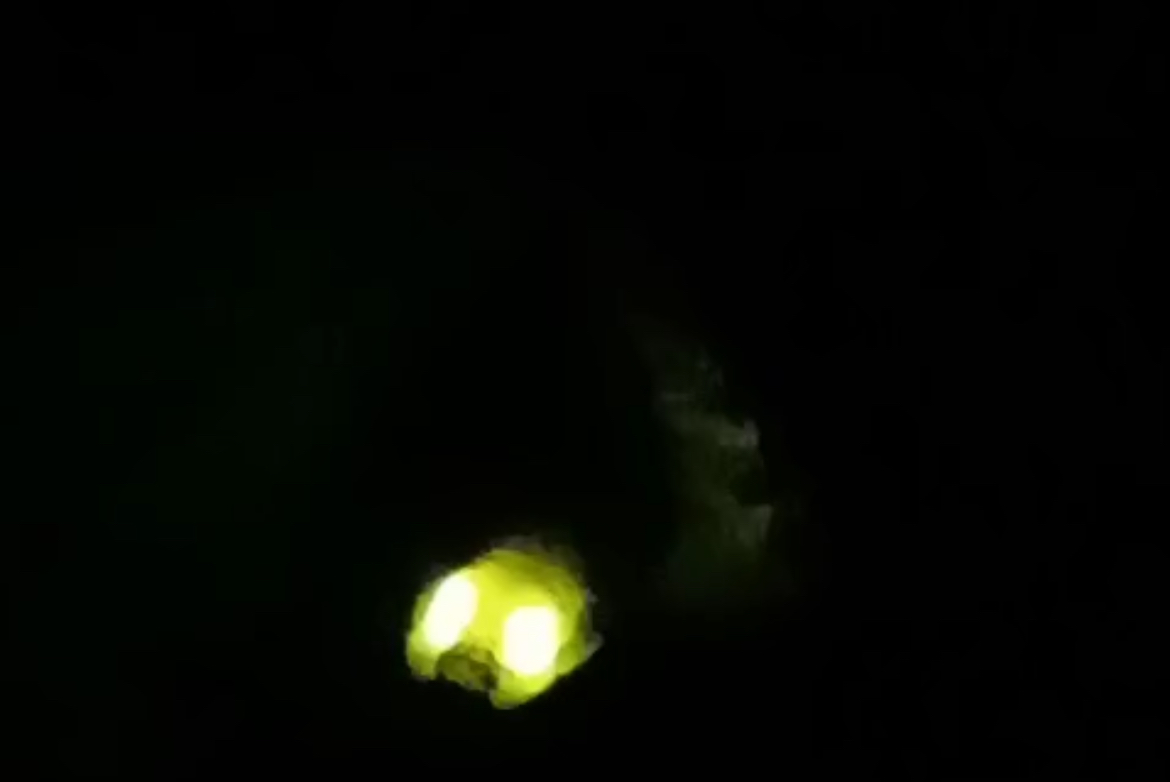
Their gentle flashes are not random. These bioluminescent signals are part of a sophisticated communication system used to attract mates. Every flash carries biological meaning, creating one of nature’s most remarkable displays.
Fireflies are also considered valuable bioindicators. Because they require clean water, healthy vegetation, minimal pollution, and stable habitats, their presence often reflects the overall condition of an ecosystem.
Healthy firefly populations can indicate healthy Bali biodiversity.
Frogs
As the evening begins, frog calls echo across rice fields and wetlands.
Although small, frogs perform an essential ecological role by controlling insect populations. They also serve as prey for birds, snakes, and other predators, connecting multiple levels of the food web.
Since amphibians are highly sensitive to environmental changes, they can also provide early signs of ecosystem disturbance.
Geckos
The familiar sound of geckos calling from walls and trees is part of nightly life across Bali.
These reptiles consume large numbers of insects, naturally helping regulate pest populations. Their quiet presence benefits both homes and agricultural landscapes.
Owls
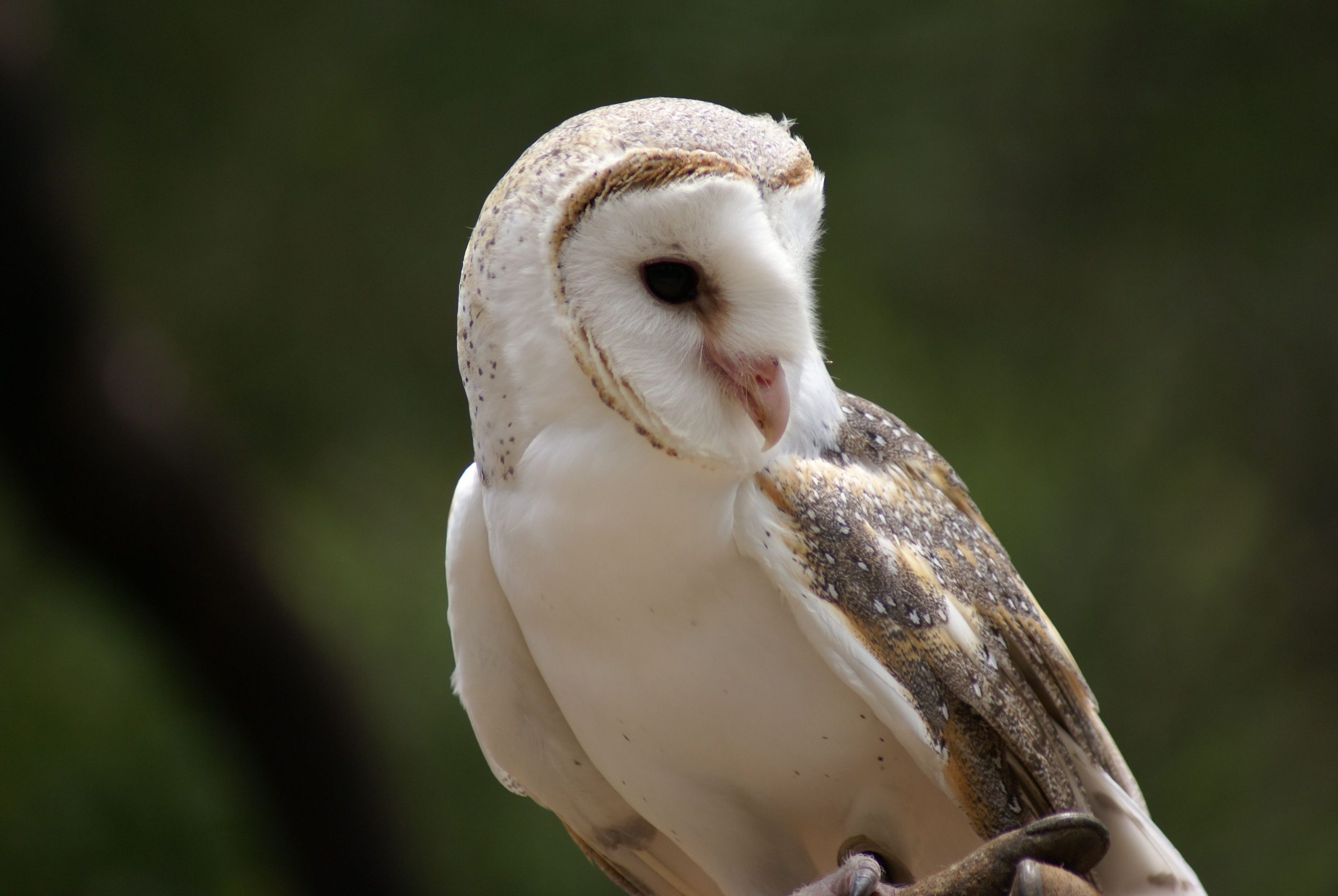
Hidden among tall trees, owls emerge after sunset to hunt rodents and other small animals.
By naturally controlling rodent populations, they contribute to healthier agricultural systems while reducing the need for chemical pest control.
Bats
Bats are often misunderstood, yet they provide invaluable ecosystem services.
Many species pollinate flowering plants and disperse seeds across forests, supporting natural regeneration. Others consume thousands of insects in a single night, helping maintain ecological balance.
Without bats, many ecosystems would struggle to function effectively.
Nocturnal Insects
Beyond fireflies, countless insects become active after dark.
Moths pollinate flowers that bloom at night. Beetles assist with decomposition. Predatory insects help regulate populations of other species.
Though often unnoticed, these tiny creatures form the foundation of many ecological processes that sustain Bali biodiversity.
Why Bali Biodiversity Matters
Source: Pexels
Biodiversity is often associated simply with the number of plant and animal species found in a place. In reality, it represents something much more significant.
Biodiversity describes the relationships between living organisms and the environments they share. Healthy ecosystems depend on these connections, with each species contributing to the overall stability of nature.
For Bali, biodiversity supports far more than wildlife.
Healthy forests protect watersheds that supply clean water to communities and agriculture. Diverse insect populations pollinate crops and native plants. Birds, bats, frogs, and reptiles naturally control pests that could otherwise damage food production.
These ecological services often occur unnoticed, yet they directly influence daily life.
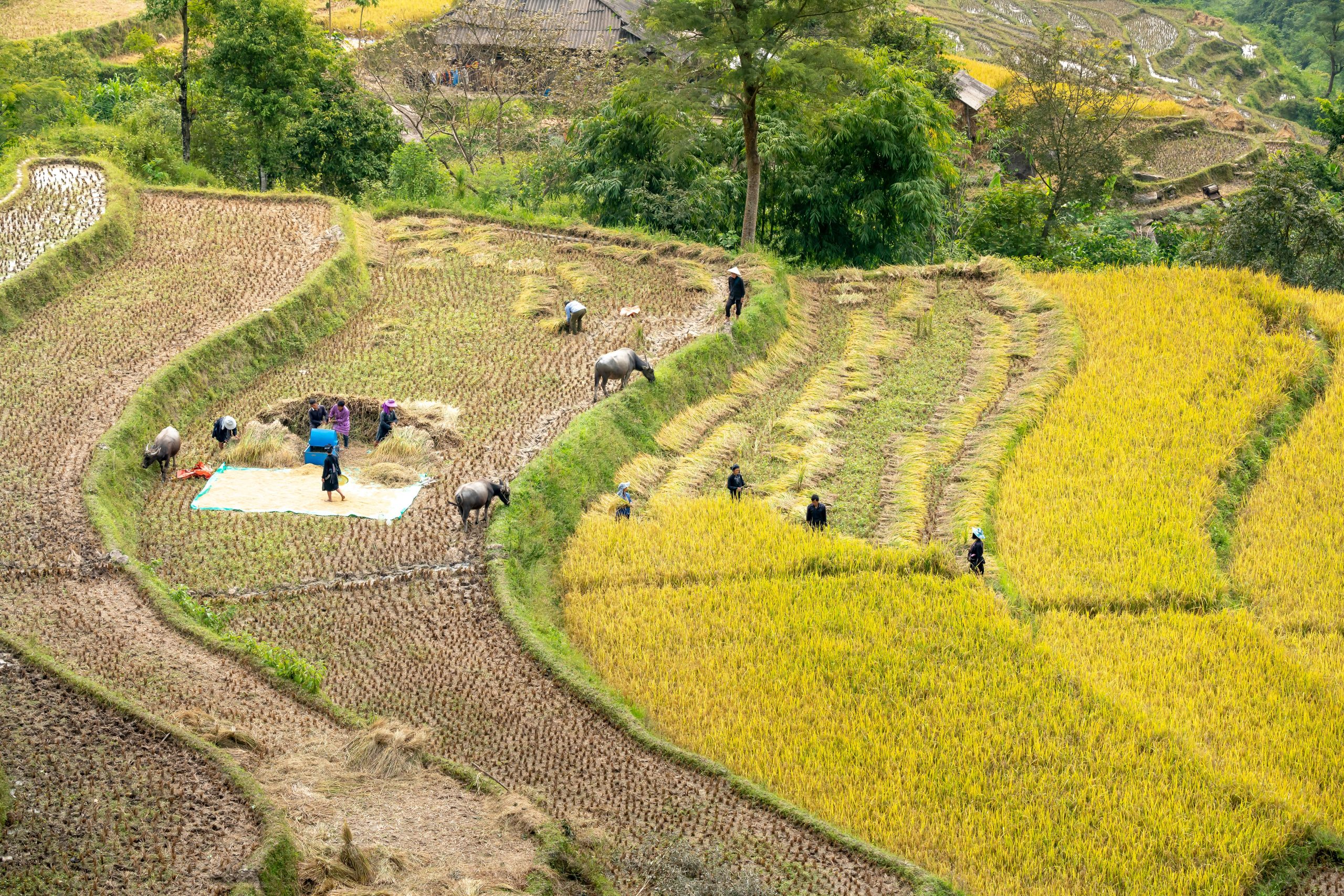
Traditional rice farming systems in Bali also benefit from healthy ecosystems. Wetlands, irrigation canals, and surrounding vegetation create habitats where numerous species coexist alongside agriculture.
This relationship demonstrates that productive landscapes and nature conservation can support one another when managed responsibly.
Fireflies offer one of the clearest examples of this connection.
Because their life cycle depends on clean freshwater habitats, healthy soils, abundant vegetation, and low levels of pollution, scientists frequently use fireflies as bioindicators to assess environmental quality.
When fireflies disappear, it can signal broader environmental changes affecting many other species.
Protecting Bali biodiversity therefore means protecting the natural systems that provide clean water, healthy soils, food security, climate resilience, and thriving wildlife.
Rather than viewing conservation as protecting individual species alone, biodiversity encourages us to understand the entire web of life that supports both people and nature.
Threats Facing Bali Biodiversity at Night
Source: Bring Back The Light Team
Although Bali’s nighttime ecosystems remain rich in life, they face increasing pressure from modern development.
Many of these changes occur gradually, making them difficult to notice until wildlife populations begin to decline.
Light Pollution
Artificial lighting has become one of the greatest challenges for nocturnal wildlife.
Bright lights interfere with natural behaviors such as feeding, navigation, migration, and reproduction.
Fireflies are particularly vulnerable. Excessive lighting reduces the visibility of their flashing signals, making it more difficult for individuals to find mates and reproduce successfully.
Even small increases in nighttime lighting can affect sensitive species.
Habitat Loss
As land is converted for roads, buildings, and tourism infrastructure, natural habitats become increasingly fragmented.
Wetlands, forests, and traditional agricultural landscapes that once supported diverse wildlife may gradually disappear.
When habitats shrink, species lose access to food, shelter, and breeding sites.
Urban Development
Rapid development often changes entire ecosystems.
Natural vegetation may be replaced with concrete surfaces, waterways can be altered, and wildlife movement becomes restricted.
Even species that survive may find it harder to maintain healthy populations.
Pesticides
Chemical pesticides can reduce insect populations that many nocturnal animals depend on for food.
Some chemicals may also affect amphibians, aquatic organisms, and the delicate balance within freshwater ecosystems.
Reducing unnecessary chemical use helps support healthier environments for both wildlife and agriculture.
Climate Change
Changing rainfall patterns, rising temperatures, and shifting seasonal cycles can influence breeding periods, food availability, and habitat conditions.
Species that depend on stable environmental conditions may struggle to adapt if changes occur too quickly.
Protecting Bali biodiversity requires understanding these interconnected challenges and supporting solutions that balance conservation, community livelihoods, and sustainable development.
How to Experience Bali Biodiversity Responsibly
Source: Unsplash
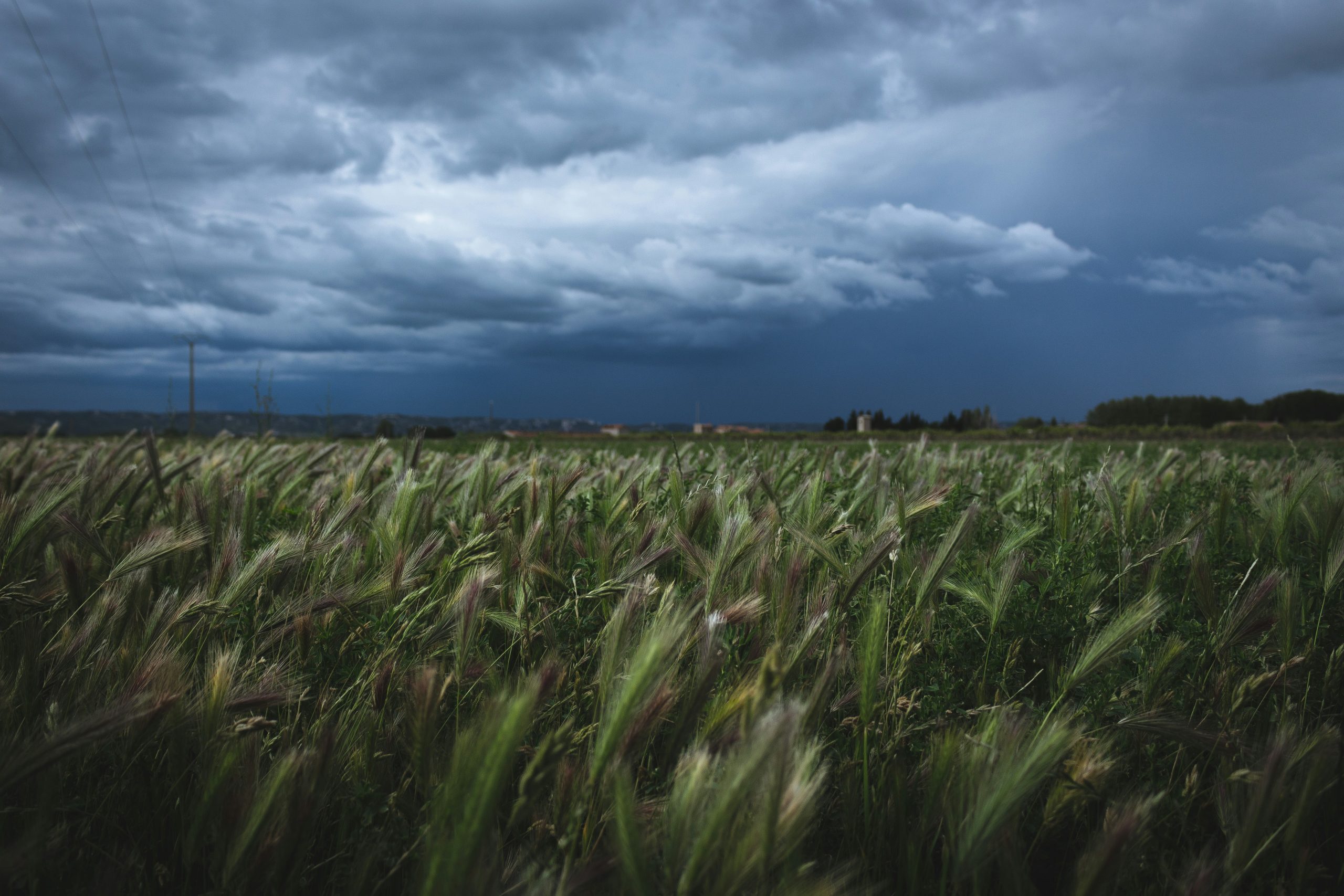
Exploring nature at night can be a memorable experience, but it also comes with responsibility.
Small actions by visitors can help minimize disturbance while allowing wildlife to behave naturally.
Choosing experiences led by guides who understand local ecosystems encourages respectful wildlife observation while supporting conservation initiatives.
Keeping voices low allows animals to continue their natural activities without unnecessary stress.
Avoiding camera flashes is especially important around nocturnal species. Bright lights may temporarily disrupt behaviors, particularly for fireflies and other light-sensitive animals.
Remaining on designated paths helps protect fragile habitats while reducing the risk of disturbing nesting sites or damaging vegetation.
Observing wildlife from a respectful distance allows animals to remain comfortable in their natural environment.
Perhaps most importantly, appreciating nature without touching or collecting wildlife helps preserve these ecosystems for everyone who visits in the future.
Responsible travel is not about seeing more wildlife. It is about ensuring that our presence leaves as little impact as possible.
By making thoughtful choices, travelers become active participants in protecting Bali biodiversity rather than simply observing it.
Discover Bali Biodiversity Through The Fireflies Journey
Source: Bring Back The Light Team
Some experiences offer more than beautiful scenery. They create opportunities to better understand the landscapes we visit.
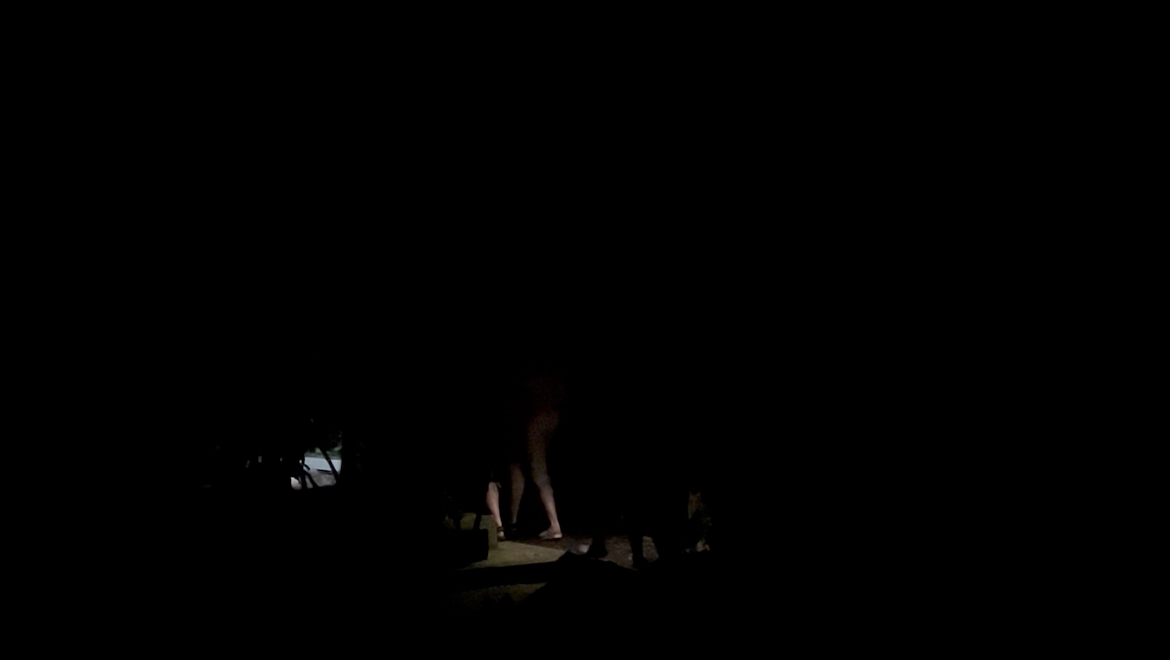
The Fireflies Journey by Bring Back The Light invites visitors to experience Bali after sunset through the lens of conservation, education, and ecological awareness.
Rather than focusing solely on observing fireflies, the journey introduces participants to the living ecosystem that makes these remarkable insects possible.
Guided walks through rice fields reveal how waterways, native vegetation, insects, amphibians, and agricultural landscapes are interconnected. Along the way, visitors learn why healthy habitats support not only fireflies but countless other species that contribute to Bali biodiversity.
The experience also highlights the importance of traditional agricultural landscapes, where nature and farming have coexisted for generations. These environments demonstrate that biodiversity conservation can work alongside local livelihoods when ecosystems remain healthy.
Throughout the journey, participants are encouraged to observe quietly, move respectfully, and appreciate wildlife without disrupting its natural behavior.
This slower pace transforms a simple evening walk into an opportunity for learning, reflection, and meaningful connection with nature.
By experiencing Bali after dark through an ecological perspective, visitors gain a deeper appreciation of the island beyond its famous beaches, temples, and scenic viewpoints.
They leave with a greater understanding that protecting fireflies ultimately means protecting the wider ecosystems on which many forms of life depend.
Conclusion
Bali’s beauty extends far beyond what can be seen during daylight.
As night falls, forests, rivers, and rice fields reveal another side of the island—one shaped by quiet sounds, hidden wildlife, and ecological relationships that sustain life every day. From frogs and owls to bats and the gentle glow of fireflies, each species contributes to the remarkable richness of Bali biodiversity.
Taking time to experience nature after sunset encourages a slower, more thoughtful way of traveling. It reminds us that some of Bali’s most meaningful moments are found not in crowded attractions, but in peaceful landscapes where wildlife continues its timeless rhythms.
By exploring these environments responsibly and supporting conservation-minded experiences, travelers can help ensure that Bali’s natural heritage continues to thrive for generations to come.
Experience Bali’s Night Through The Fireflies Journey
Source: Bring Back The Light Team
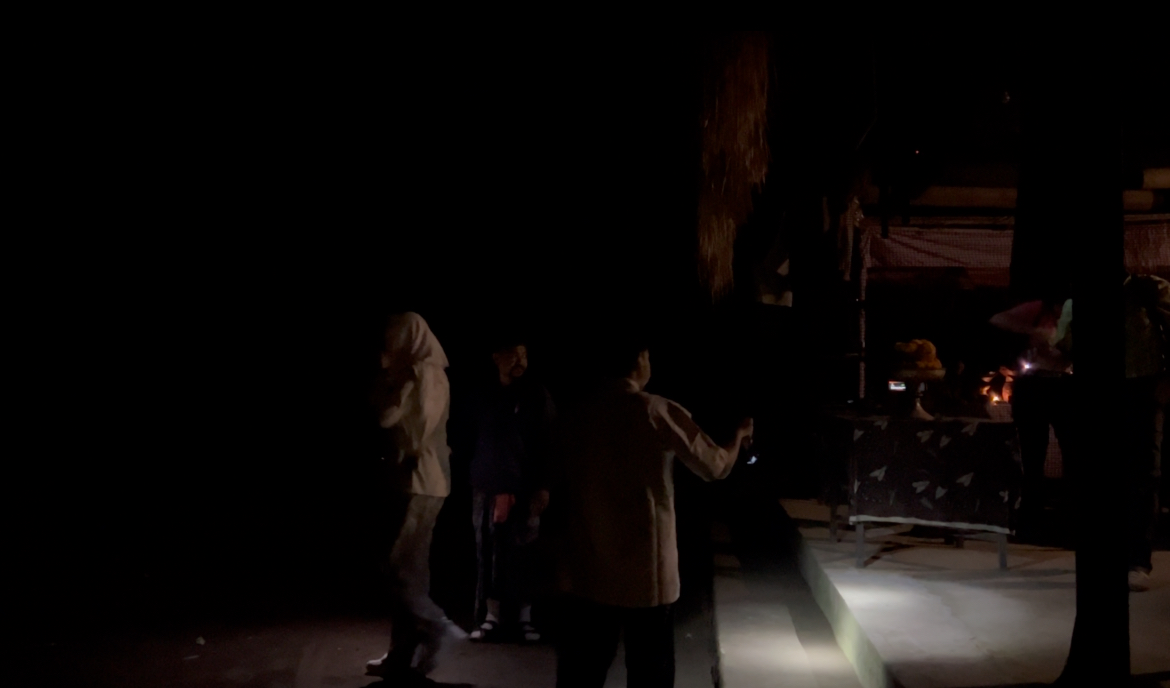
If you’re looking to experience Bali from a different perspective, consider joining The Fireflies Journey by Bring Back The Light. More than just a night experience, it offers the opportunity to learn about Bali biodiversity, observe fireflies in their natural habitat, and discover how healthy ecosystems support both wildlife and local communities. By exploring respectfully and gaining a deeper understanding of the natural world, every journey becomes a meaningful step toward appreciating and protecting Bali’s remarkable biodiversity.