WISH 2026 Gastronomy – Bring Back The Light (Rumah Konservasi Kunang-Kunang) in Taro, Bali, has been selected among the Top 25 participants of WISH 2026 Gastronomy, a national tourism development program initiated by the Ministry of Tourism of the Republic of Indonesia.
The announcement marks an important moment for our community-led conservation initiative.
For Bring Back The Light, gastronomy is not simply about food.
Instead, it offers another way to connect people with the land, agriculture, biodiversity, local knowledge, and the communities that care for them.
Through the WISH 2026 Gastronomy program, we have the opportunity to develop our tourism concept while continuing to connect conservation with meaningful visitor experiences.
What Is WISH 2026?
The Wonderful Indonesia Scale-Up Hub (WISH) 2026 is a program initiated by the Ministry of Tourism through the Deputy for Industry and Investment.
The program focuses on three priority areas of thematic tourism:
- Gastronomy
- Wellness
- Cultural Heritage
According to the Ministry of Tourism, WISH aims to support tourism businesses through market access, financing access, capacity building, and business development.
In addition, the program provides opportunities for tourism businesses to strengthen their products and connect with a wider tourism ecosystem.
For participants, WISH creates a space to learn, develop, and explore new opportunities for sustainable tourism.
Bring Back The Light Among the Top 25 WISH 2026 Gastronomy Participants
On 12 September 2026, the Ministry of Tourism announced the results of the WISH 2026 curation process.
The announcement selected 25 tourism businesses to participate in the WISH 2026 Demoday.
Bring Back The Light (Rumah Konservasi Kunang-Kunang) from Bali was selected as participant number four in the official list, under the WISH 2026 Gastronomy category.
The selected participants came from different parts of Indonesia and represented three thematic tourism sectors: Gastronomy, Cultural Heritage, and Wellness.
For Bring Back The Light, this recognition represents an opportunity to introduce a different connection between tourism, food, agriculture, and conservation.
Why Gastronomy and Conservation?
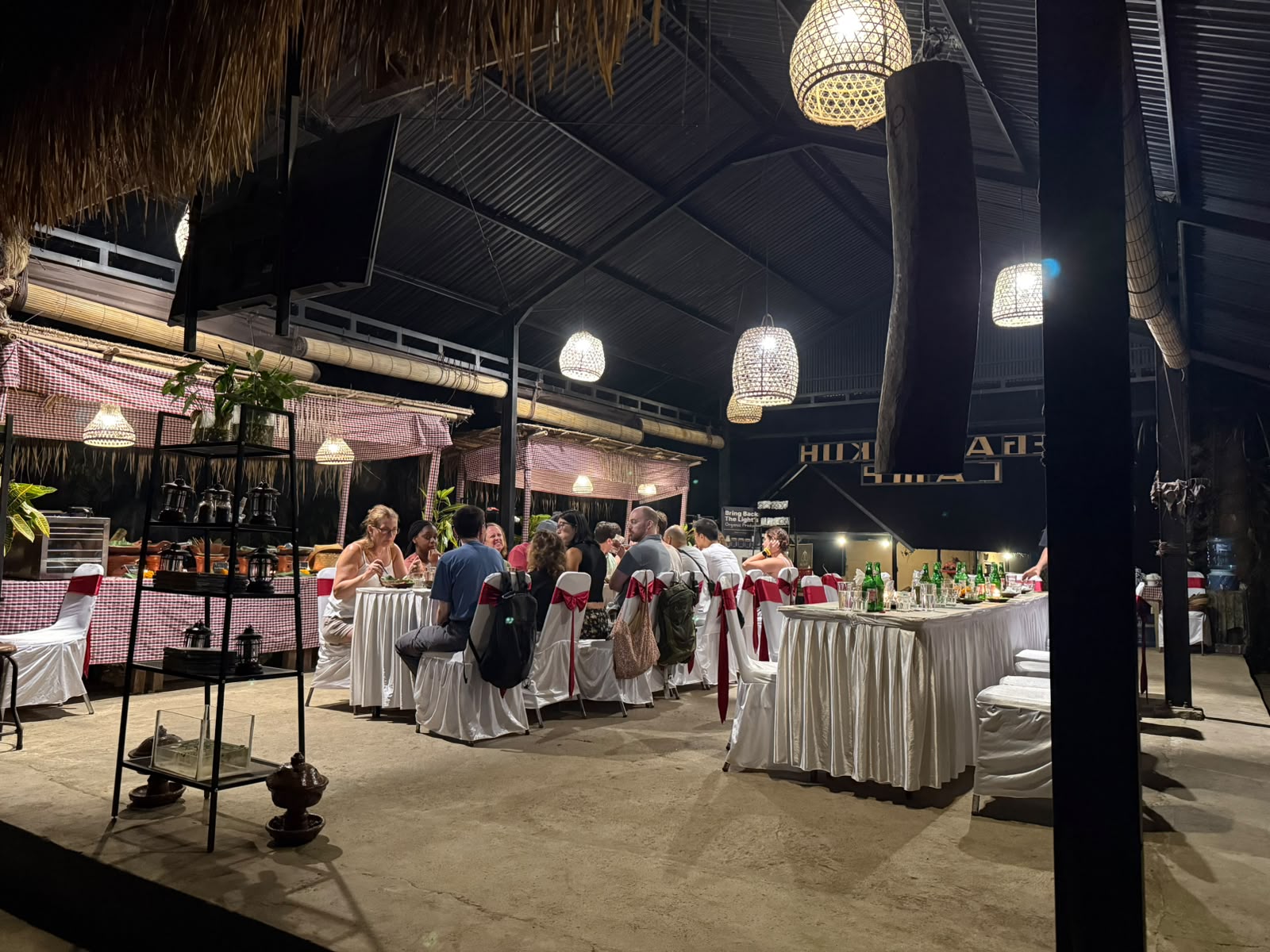
Source: Bring Back The Light Team
At first, firefly conservation and gastronomy may seem like two completely different subjects.
However, they can share a common foundation: the relationship between people, food, agriculture, and the environment.
The landscape that supports agriculture can also support biodiversity.
Rice fields, waterways, vegetation, soil, and traditional farming practices form part of a larger ecosystem.
Therefore, when we talk about food and gastronomy, we can also talk about where food comes from and how people interact with the land.
This perspective allows gastronomy to become more than a culinary experience.
It can become a way to understand local landscapes and community knowledge.
From the Landscape to the Plate
At Bring Back The Light, our conservation work takes place within the rural landscape of Taro.
The area connects agriculture, biodiversity, waterways, local communities, and traditional knowledge.
Because of this connection, our approach to gastronomy begins with the landscape.
Food does not exist separately from nature.
Farmers depend on soil, water, weather, plants, and biodiversity. At the same time, communities carry knowledge about how to work with the land.
Therefore, a gastronomy experience can help visitors understand the wider story behind what they eat.
It can introduce questions such as:
Where does our food come from?
Who grows it?
How does agriculture affect biodiversity?
How can tourism support local communities?
And how can food experiences contribute to a healthier relationship with the environment?
These questions are important because sustainable tourism should not only show visitors a destination.
It should also help them understand it.
Connecting Gastronomy With Regenerative Agriculture
Our conservation approach also explores the relationship between biodiversity and regenerative agriculture.
Healthy agricultural landscapes can provide important ecological functions. Meanwhile, farming communities depend on productive land and natural resources.
For this reason, we believe agriculture and conservation should not always exist in separate spaces.
Instead, they can support each other.
Regenerative approaches encourage us to think about soil health, biodiversity, resource use, and long-term relationships with the land.
This perspective also connects with our broader conservation work.
Fireflies need suitable habitats to survive. Such habitats depend on environmental conditions, including vegetation, water, humidity, and surrounding ecosystems.
Therefore, protecting biodiversity requires us to look beyond individual species.
It requires us to understand the landscape as a whole.
Gastronomy as a Way to Tell a Story
One of the most powerful aspects of gastronomy is its ability to tell stories.
A dish can carry information about a place.
An ingredient can reflect local agriculture.
A traditional preparation can preserve community knowledge.
And a meal can create a direct connection between visitors and the people who produce their food.
For Bring Back The Light, this creates an exciting opportunity.
We can use gastronomy to tell a story that begins with food but reaches much further.
It can lead visitors from the plate to the farm.
From the farm to the ecosystem.
And from the ecosystem to conservation.
From Gastronomy to Community
Tourism becomes more meaningful when local communities remain part of the story.
In Taro, agriculture and community life are closely connected to the surrounding landscape.
Therefore, developing a gastronomy experience also means creating opportunities to share local knowledge and strengthen community participation.
Rather than presenting food as an isolated product, we want to explore the people, practices, and landscapes behind it.
This approach can create a more connected visitor experience.
At the same time, it can help visitors understand that conservation is not only about protecting wildlife.
It is also about supporting the systems and communities that make healthy ecosystems possible.
What WISH 2026 Means for Bring Back The Light
Being selected among the Top 25 participants of WISH 2026 Gastronomy is an important step for Bring Back The Light.
However, we see this recognition not as an endpoint, but as an opportunity to keep learning.
Through the program, we can continue developing our tourism concept, strengthening our capacity, and exploring how conservation can connect with gastronomy.
We also hope to learn from other tourism businesses across Indonesia.
Each participant brings a different story, landscape, culture, and approach to tourism.
Together, these stories reflect the diversity of Indonesia’s tourism potential.
A Different Taste of Bali
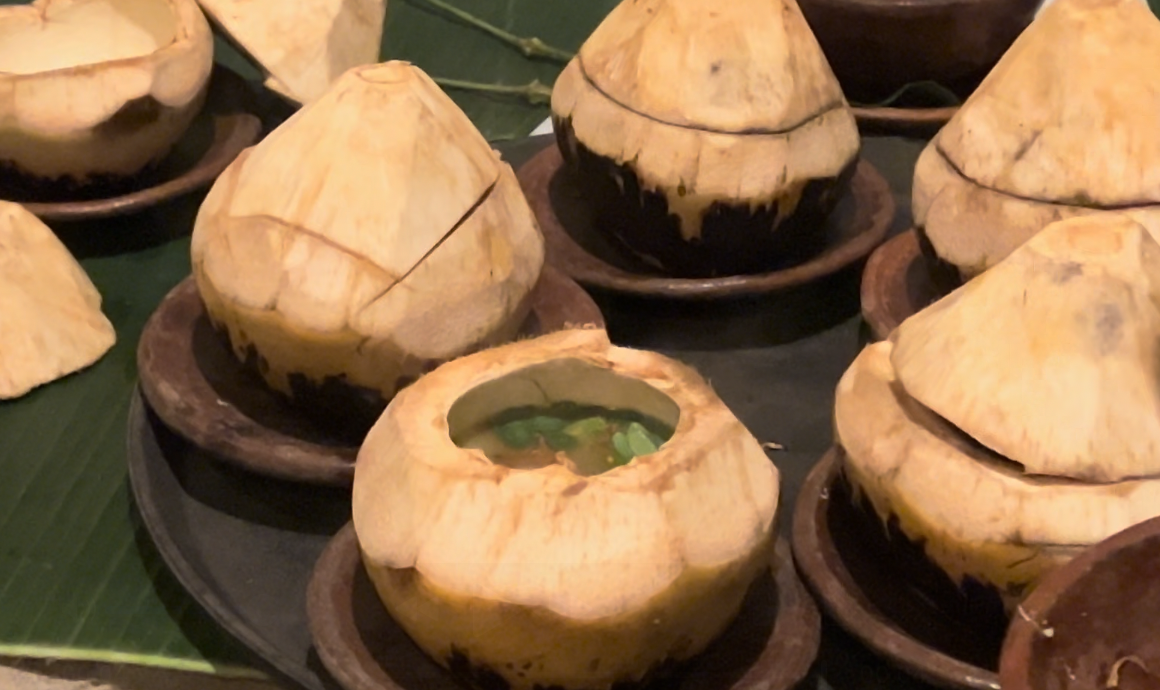
Source: Bring Back The Light Team
Bali is often known for its food, landscapes, culture, and hospitality.
Yet, there are many stories behind these experiences that visitors may not immediately see.
In rural Bali, food connects with agriculture.
Agriculture connects with communities.
Communities connect with landscapes.
And those landscapes support biodiversity.
At Bring Back The Light, we want to help visitors see these connections.
Our vision for gastronomy is therefore not simply about what visitors eat.
It is about what they learn from the journey behind the food.
It is about understanding the land, meeting the people, and discovering how everyday practices can influence biodiversity.
Looking Ahead
The selection of Bring Back The Light among the Top 25 participants of WISH 2026 Gastronomy gives us a new opportunity to develop this vision.
We will continue exploring ways to connect gastronomy, conservation, regenerative agriculture, community participation, and responsible tourism.
Most importantly, we want to keep the connection with nature at the heart of what we do.
Because conservation can take many forms.
Sometimes, it begins with protecting a small insect.
Sometimes, it begins with restoring a habitat.
And sometimes, it begins with helping people understand where their food comes from.
For Bring Back The Light, these stories are connected.
From the fireflies of Taro to the food grown from its landscape, every experience can become an opportunity to reconnect people with nature.
Experience the Story Behind the Food
Our WISH 2026 Gastronomy journey is only beginning. Now, we invite you to discover the connection between food, farming, biodiversity, and conservation in Taro, Bali.
Visit Bring Back The Light and experience a different side of Bali – one where gastronomy becomes a gateway to understanding the land and the people who care for it.
Ready to discover the story behind the food?
Explore the Bring Back The Light experience and join us in Taro, Bali.
Taste the landscape. Meet the community. Discover biodiversity. Bring back the light.