Fireflies in Bali – As the sun disappears and the island becomes quiet, small points of light may begin to appear among the vegetation. They move gently through the darkness, creating one of nature’s most fascinating sights.
These are fireflies.
For many visitors, seeing fireflies is an unexpected highlight of travelling in Bali. Unlike the island’s beaches, temples, and popular attractions, fireflies invite people to slow down and pay attention to the natural world.
But finding them is not simply about visiting a particular place at night. Fireflies depend on suitable habitats and environmental conditions. Their activity can also change with the weather, season, and surrounding light.
So, where can you see fireflies in Bali? When are they most active? And how can you observe them without disturbing their natural environment?
Here is what to know before planning a Bali firefly experience.
1. Why Are Fireflies So Fascinating?
Source: Bring Back The Light Team
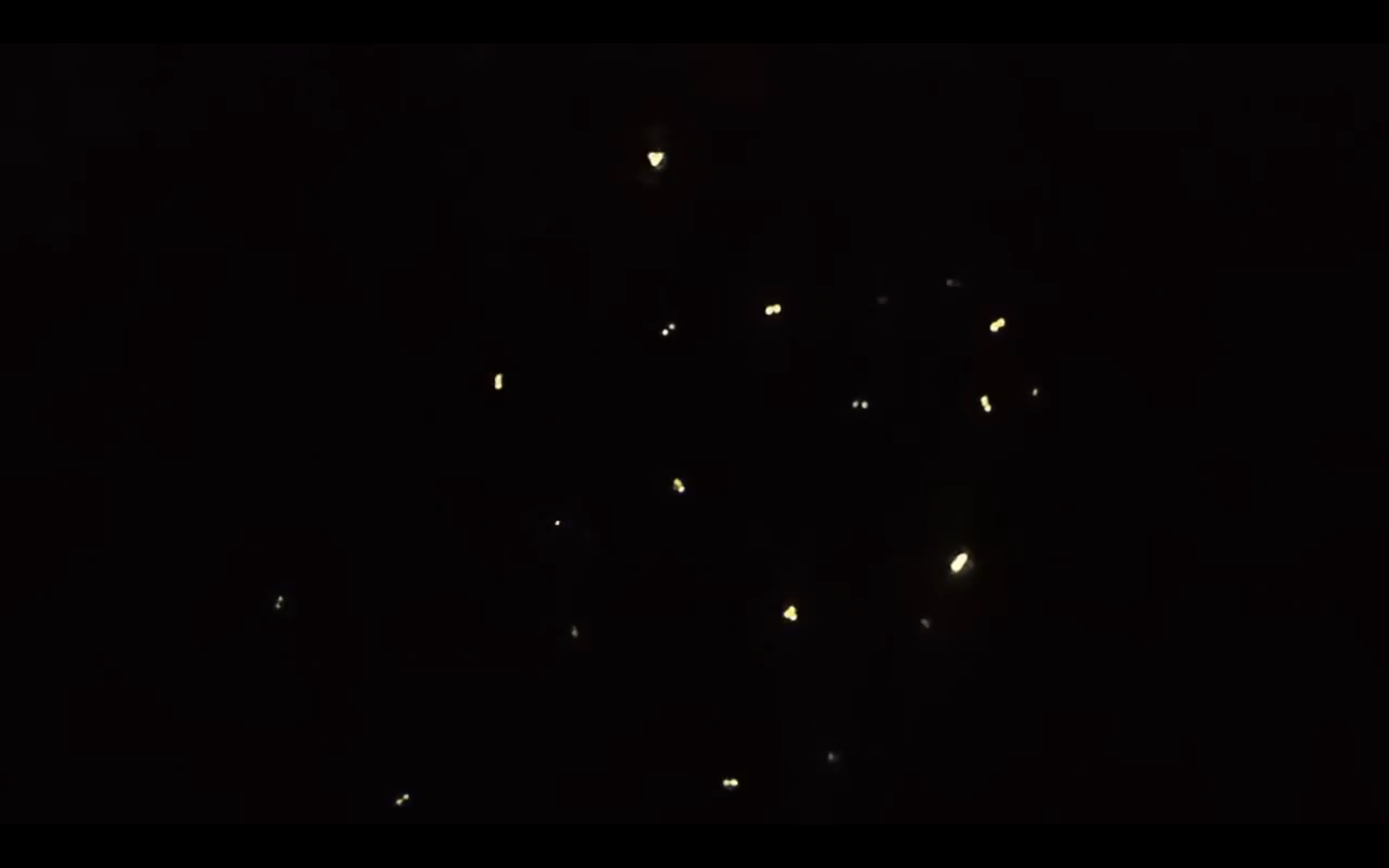
Fireflies are insects known for their ability to produce light through a natural process called bioluminescence.
This light is created through a chemical reaction inside their bodies. Fireflies use their light signals for communication, particularly during courtship.
Different species can produce different patterns of light. Some flash briefly, while others create slower or more continuous signals.
For many people, seeing fireflies feels almost magical. Their small lights appear against the darkness, turning an ordinary landscape into something memorable.
However, fireflies are more than beautiful nighttime insects.
Their life cycles depend on suitable environmental conditions. Many species need specific habitats to survive and reproduce. Changes to vegetation, moisture, artificial lighting, and land use can affect these environments.
This is why protecting fireflies also means paying attention to the ecosystems they depend on.
2. Where Can You Find Fireflies in Bali?
If you are wondering where to see fireflies in Bali, start by understanding the environments they need.
Fireflies are not found everywhere. Their presence depends on the species and the condition of the surrounding habitat.
Suitable environments may include:
- Rice fields: Traditional agricultural landscapes can provide vegetation, moisture, and open spaces that may support firefly habitats.
- Areas near freshwater: Some firefly species depend on moist environments and may be associated with streams, wetlands, or other freshwater habitats.
- Vegetated rural landscapes: Areas with trees, shrubs, grasses, and limited disturbance can offer shelter and suitable conditions for different life stages.
- Dark natural environments: Places with less artificial lighting can make it easier for fireflies to communicate through their light signals.
These environments do not guarantee firefly sightings. Not every rice field, river, or rural area has a healthy firefly population.
The important factor is the quality of the habitat.
Fireflies in Bali: Ubud and Rural Bali
Beyond its well-known cultural attractions, Ubud and its surrounding villages include rice fields, vegetation, and rural landscapes.
Some of these environments may offer suitable conditions for fireflies, depending on local habitat quality and environmental factors.
In Taro Village, Tegallalang, Bring Back The Light works with the local community to support firefly conservation and environmental education.
The village provides an opportunity to learn about fireflies in the context of a living rural landscape, rather than treating them simply as something to photograph.
3. When Are Fireflies Most Active?
Source: The New York Times
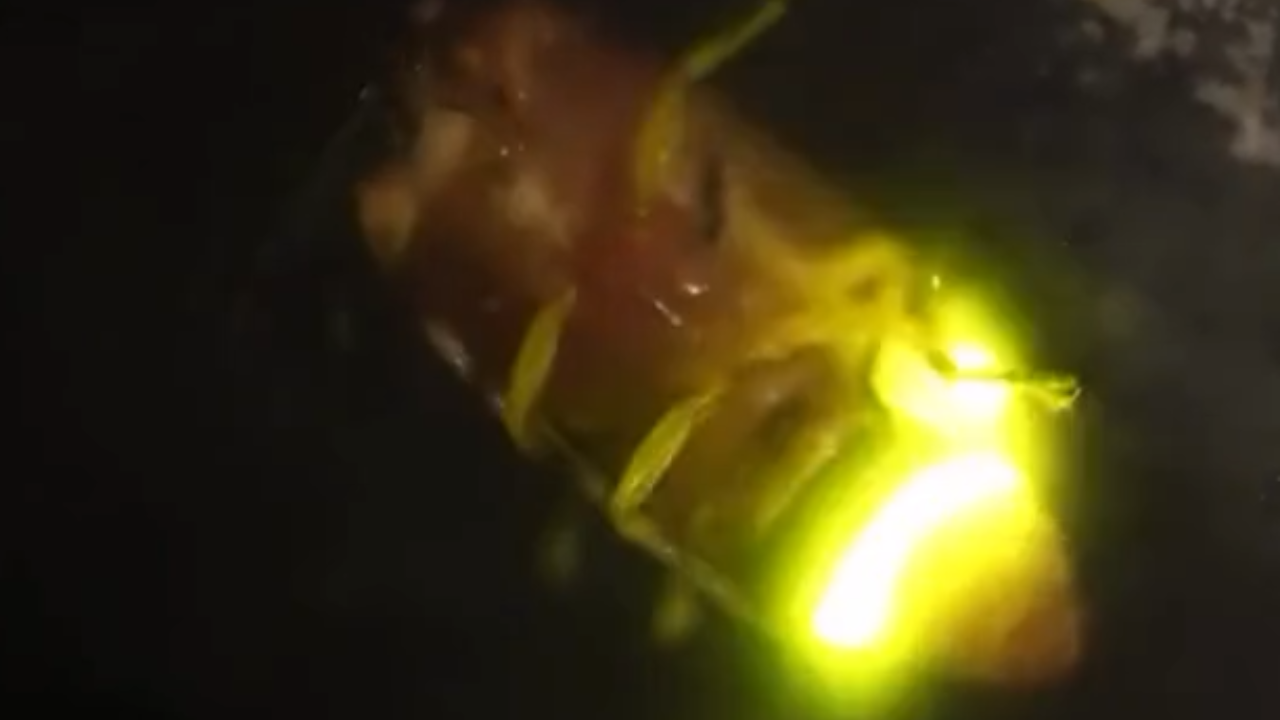
Firefly watching in Bali usually takes place after dark, when their light signals become easier to notice.
However, there is no fixed time or season that guarantees sightings.
Firefly activity can depend on several factors.
Weather Conditions
Weather can influence firefly activity. Rain, strong wind, and changes in temperature may affect their movement and visibility.
Some evenings may offer better conditions than others.
Habitat Conditions
Fireflies need suitable environments throughout their life cycles.
Changes in vegetation, moisture, water conditions, and surrounding land use can influence whether an area supports fireflies.
Seasonal Changes
Firefly activity can vary throughout the year. Different species have different life cycles, and local environmental conditions can affect when adults emerge and become active.
It is important not to assume that fireflies will appear in the same numbers every month.
Light Conditions
Artificial lighting can interfere with the visual signals fireflies use to communicate.
Bright outdoor lights, vehicle headlights, and camera flashes can make it harder to observe them naturally.
Dark surroundings are therefore important for responsible firefly watching.
A helpful reminder: Firefly sightings are part of a natural experience, not a guaranteed attraction. A responsible experience respects the environment even when fireflies are less active.
4. What Makes a Good Firefly Habitat?
A healthy firefly habitat is more than a place where adults can be seen flashing at night.
Fireflies spend much of their life cycle in earlier stages, including eggs and larvae. These stages also need suitable environmental conditions.
Several habitat elements can be important.
Vegetation and Natural Cover
Plants, grasses, shrubs, and trees can provide shelter and support the wider ecosystem.
Vegetation also helps maintain the structure of the environment where fireflies live and reproduce.
Removing too much vegetation or disturbing natural ground cover can affect habitat quality.
Moisture and Suitable Water Conditions
Many firefly species are associated with moist environments.
Depending on the species, suitable conditions may include damp soil, vegetation near water, or freshwater habitats.
The relationship between fireflies and water is not the same for every species, but maintaining healthy local water environments can be important for biodiversity.
Darkness and Limited Artificial Light
Darkness is essential for fireflies to communicate through their light signals.
Excessive artificial lighting can interfere with these signals and reduce the suitability of an environment for some species.
Reducing unnecessary outdoor lighting can help create more suitable conditions for nocturnal wildlife.
A Balanced Ecosystem
Fireflies are part of a wider ecological system.
Their habitats are influenced by vegetation, soil, water, other organisms, and human activities.
Protecting these environments requires more than focusing on one species. It means caring for the wider landscape that supports biodiversity.
5. How to Watch Fireflies Responsibly
Source: Bring Back The Light Team
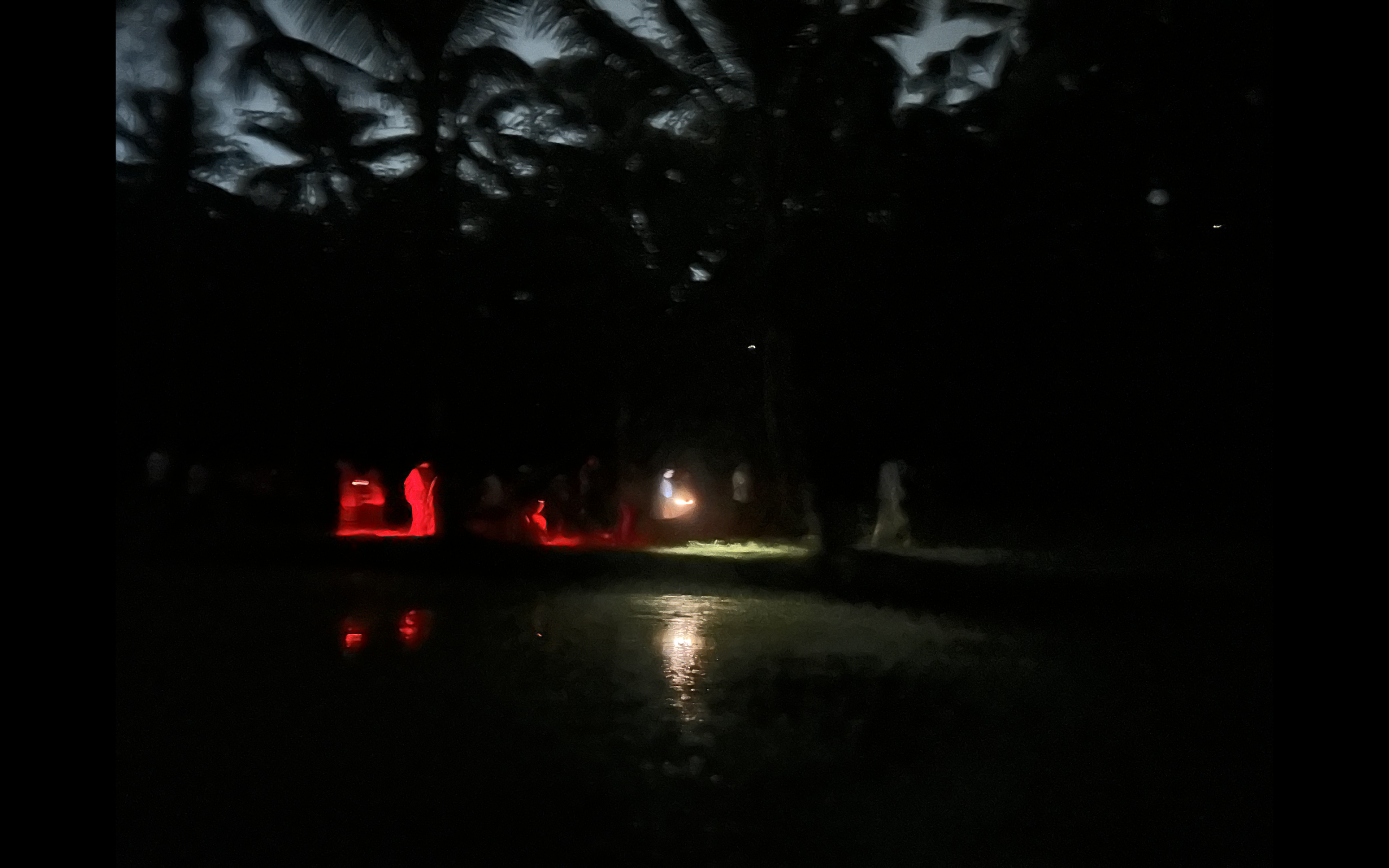
Seeing fireflies in their natural habitat can be a memorable experience. But the way visitors behave can influence the environment around them.
Responsible firefly watching begins with a simple principle: observe without disturbing.
Here are some ways to do it.
Keep a Respectful Distance
Avoid getting too close to fireflies or trying to touch them.
Observe their natural behaviour without interfering with their movement.
Avoid Bright Lights and Camera Flash
Turn off camera flashes and avoid shining bright lights directly into vegetation.
If you need a light for safety, use it only when necessary and follow your local guide’s instructions.
Never Catch or Handle Fireflies
Fireflies are living organisms, not souvenirs.
Catching, holding, or placing them in containers for photographs can cause unnecessary stress or harm.
The best way to experience them is to let them remain in their natural environment.
Do Not Disturb Vegetation
Stay on designated paths where possible.
Avoid stepping on plants, disturbing the soil, or entering sensitive areas without permission.
Remember that firefly eggs and larvae may be present in places that visitors cannot easily see.
Follow Local Guides
Local guides can help visitors understand the environment and move through the area responsibly.
They can also explain appropriate behaviour, local conservation activities, and the importance of protecting the habitat.
Responsible firefly watching is not only about seeing the insects. It is also about leaving their environment undisturbed.
6. What Makes a Firefly Experience Meaningful?
A firefly experience can be more than a nighttime activity.
When visitors learn about the insects and the environments they depend on, the experience becomes an opportunity to understand biodiversity and conservation.
Instead of asking only, “Where can I see fireflies?”, we can also ask:
- What kind of habitat do fireflies need?
- Why are firefly populations affected by environmental changes?
- How does artificial lighting influence nocturnal wildlife?
- What can local communities do to protect firefly habitats?
- How can tourism support conservation rather than disturb it?
These questions create a deeper connection between visitors and the places they explore.
They also highlight an important relationship between nature and communities.
In rural Bali, agricultural landscapes, local knowledge, and community practices are part of the environment. Supporting conservation means recognising the people who live and work within these landscapes.
A meaningful Bali firefly experience should therefore combine observation, learning, and respect for the local environment.
7. The Fireflies Journey: A Different Way to Experience Fireflies in Bali
Source: Bring Back The Light Team
At Bring Back The Light, fireflies are not treated simply as a nighttime attraction.
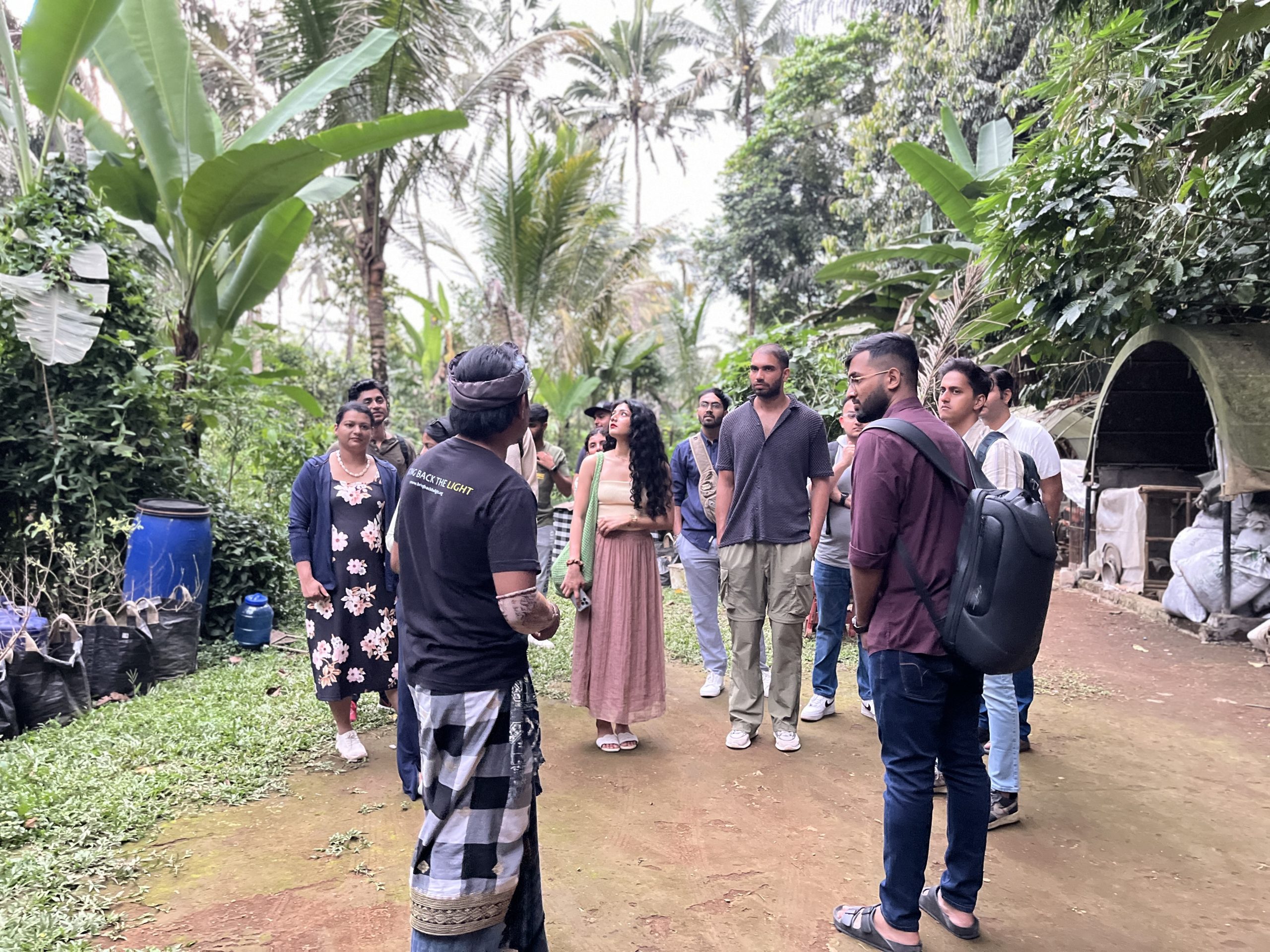
Located in Taro Village, Tegallalang, Ubud, The Fireflies Journey introduces visitors to firefly conservation through nature, environmental education, and community connection.
The experience invites guests to explore the relationship between fireflies and their natural surroundings.
Rather than focusing only on photographs or sightings, visitors are encouraged to understand why these insects matter and what is needed to protect their habitats.
The work of Bring Back The Light connects several areas:
- Firefly conservation: Supporting efforts to protect fireflies and the environments they depend on.
- Environmental education: Helping visitors understand firefly biology, habitat needs, and ecological challenges.
- Community involvement: Connecting conservation with the people and landscapes of Taro Village.
- Nature-based tourism: Creating opportunities for visitors to learn about biodiversity through a locally rooted experience.
The goal is to encourage a different relationship with nature: one based on curiosity, understanding, and responsibility.
8. What Can Visitors Expect from The Fireflies Journey?
The Fireflies Journey begins at 5 PM in Taro Village.
It is designed to introduce visitors to the local environment before the nighttime firefly observation.
During the experience, visitors can expect several elements.
An Introduction to Fireflies and Conservation
Learn about fireflies, their life cycles, bioluminescence, and the environmental conditions they need.
The introduction helps visitors understand what they may observe later in the evening.
A Connection with the Local Environment
Explore the surrounding rural landscape and learn about the relationship between local ecosystems, agriculture, and biodiversity.
The experience offers a different perspective on Bali beyond its familiar tourist attractions.
Nighttime Firefly Observation
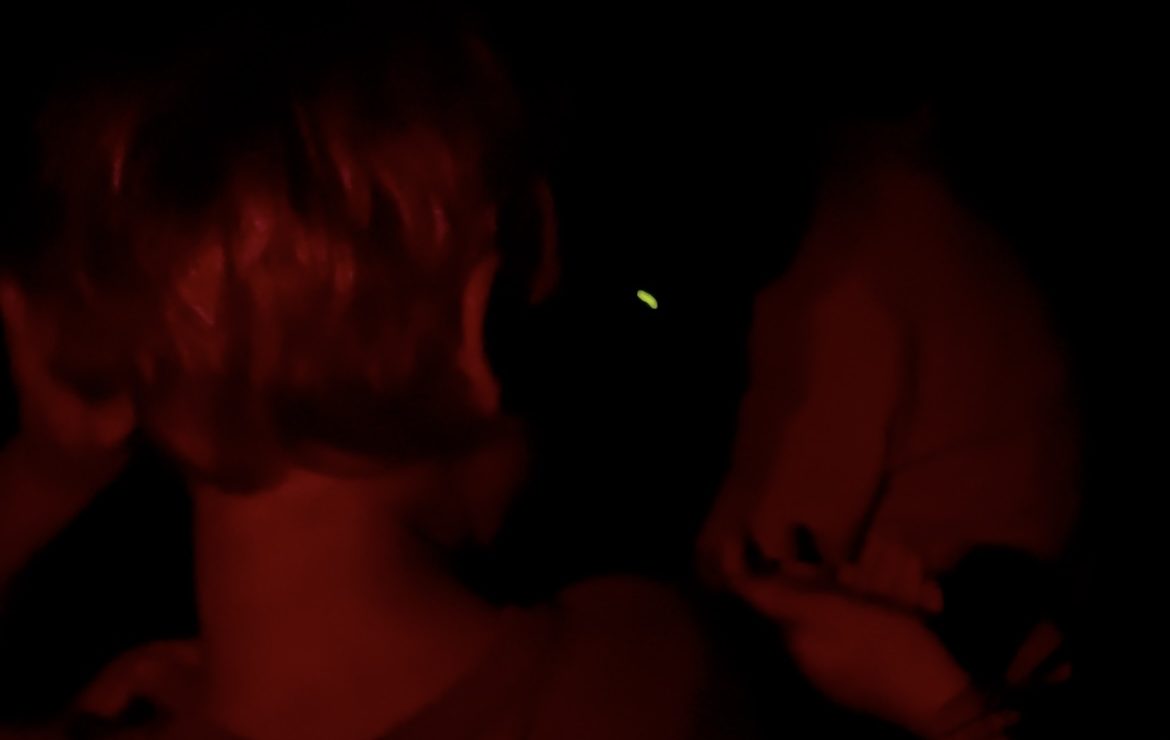
As darkness arrives, visitors have an opportunity to observe fireflies in their natural surroundings.
The experience encourages quiet observation and respect for the habitat.
Firefly activity depends on weather, season, habitat conditions, and other environmental factors. Sightings and their intensity can therefore vary from one visit to another.
Learning Beyond the Visit
The experience aims to leave visitors with more than memories of small lights in the dark.
It encourages a better understanding of biodiversity and the importance of protecting the natural environments that support it.
At Bring Back The Light, the journey is about discovering the connection between nature, education, conservation, and community.
9. Experience Bali’s Nighttime Nature Responsibly
Source: Bring Back The Light Team
Bali has many natural landscapes worth discovering, including those that become more active after dark.
Fireflies offer a special opportunity to appreciate these quieter environments.
But their presence also reminds us that nature needs suitable conditions to survive. Habitat disturbance, excessive artificial lighting, and changes in land use can affect the environments that support them.
As visitors, we can make more thoughtful choices:
- Choose experiences that respect wildlife and local habitats.
- Follow guidance from local communities and guides.
- Avoid unnecessary lights and noise at night.
- Never catch or handle fireflies.
- Learn about the environment instead of focusing only on photographs.
Small actions can help make nature-based tourism more respectful.
Discover a Different Side of Bali After Dark
Seeing fireflies in Bali can be a beautiful experience, but understanding the environment behind their light makes it even more meaningful.
From suitable habitats and nighttime behaviour to local conservation efforts, fireflies offer a window into the island’s biodiversity.
The next time you explore Bali, consider looking beyond the usual attractions. Take time to understand the natural landscapes, communities, and wildlife that make the island unique.
Ready to experience Bali’s nighttime nature? Discover The Fireflies Journey.
Join Bring Back The Light in Taro Village, Ubud, and explore the connection between firefly conservation, environmental education, and community.