Fireflies Bali – For generations, fireflies were a familiar sight across rural landscapes throughout Asia. On warm evenings, their tiny flashes of light illuminated rice fields, riverbanks, wetlands, and village gardens. Bali was no exception. Many local communities still remember a time when fireflies Bali residents observed in agricultural areas and natural habitats were abundant across the island.
Today, however, fireflies are becoming increasingly difficult to find in many parts of the world. Over the past few decades, populations have declined due to urbanization, habitat loss, light pollution, pesticide use, and changing environmental conditions.
While the disappearance of these glowing insects may seem like a small issue compared to other environmental challenges, scientists and conservationists view it differently. Fireflies are much more than beautiful insects that light up the night. They provide important clues about the health of ecosystems.
This raises an important question:
Why should we care when fireflies disappear?
The answer lies in what fireflies tell us about the environment around them. In many cases, healthy populations of fireflies Bali conservationists monitor can indicate clean water systems, thriving biodiversity, and balanced ecosystems. Their decline can serve as an early warning sign that environmental conditions are changing.
Understanding the ecological role of fireflies helps us better appreciate why biodiversity conservation matters—not only for a single species, but for entire ecosystems across Bali.
What Are Fireflies?

Source: Bring Back The Light Team
Fireflies are insects belonging to the Lampyridae family, a group of beetles known for their remarkable ability to produce light through a natural process called bioluminescence.
Unlike artificial light, bioluminescence is generated through a chemical reaction inside specialized organs located in the abdomen of the insect. This reaction produces light with very little heat, making it one of the most energy-efficient forms of illumination found in nature.
Most people recognize fireflies because of the flashes they emit at night. These signals are not random. They play an essential role in communication and reproduction.
Fireflies use their light to:
- Attract potential mates
- Communicate with members of their species
- Identify suitable breeding partners
- Deter predators in certain situations
Different species produce unique flashing patterns, creating a sophisticated language of light that helps males and females find one another during the breeding season.
The firefly life cycle consists of four stages:
- Egg
- Larva
- Pupa
- Adult
Interestingly, most of a firefly’s life is spent in the larval stage, which can last several months or even years. The adult stage is relatively short and often lasts only a few weeks.
Throughout their life cycle, fireflies depend on specific environmental conditions. Their preferred habitats include:
- Rice fields
- Wetlands
- Riverbanks
- Forest edges
- Mangrove areas
- Moist grasslands
These habitats provide the humidity, shelter, and food resources necessary for survival.
Because fireflies are highly sensitive to environmental changes, they are often among the first species affected when ecosystems begin to deteriorate.
Why Fireflies Are Considered Environmental Indicators
Source: Bring Back The Light
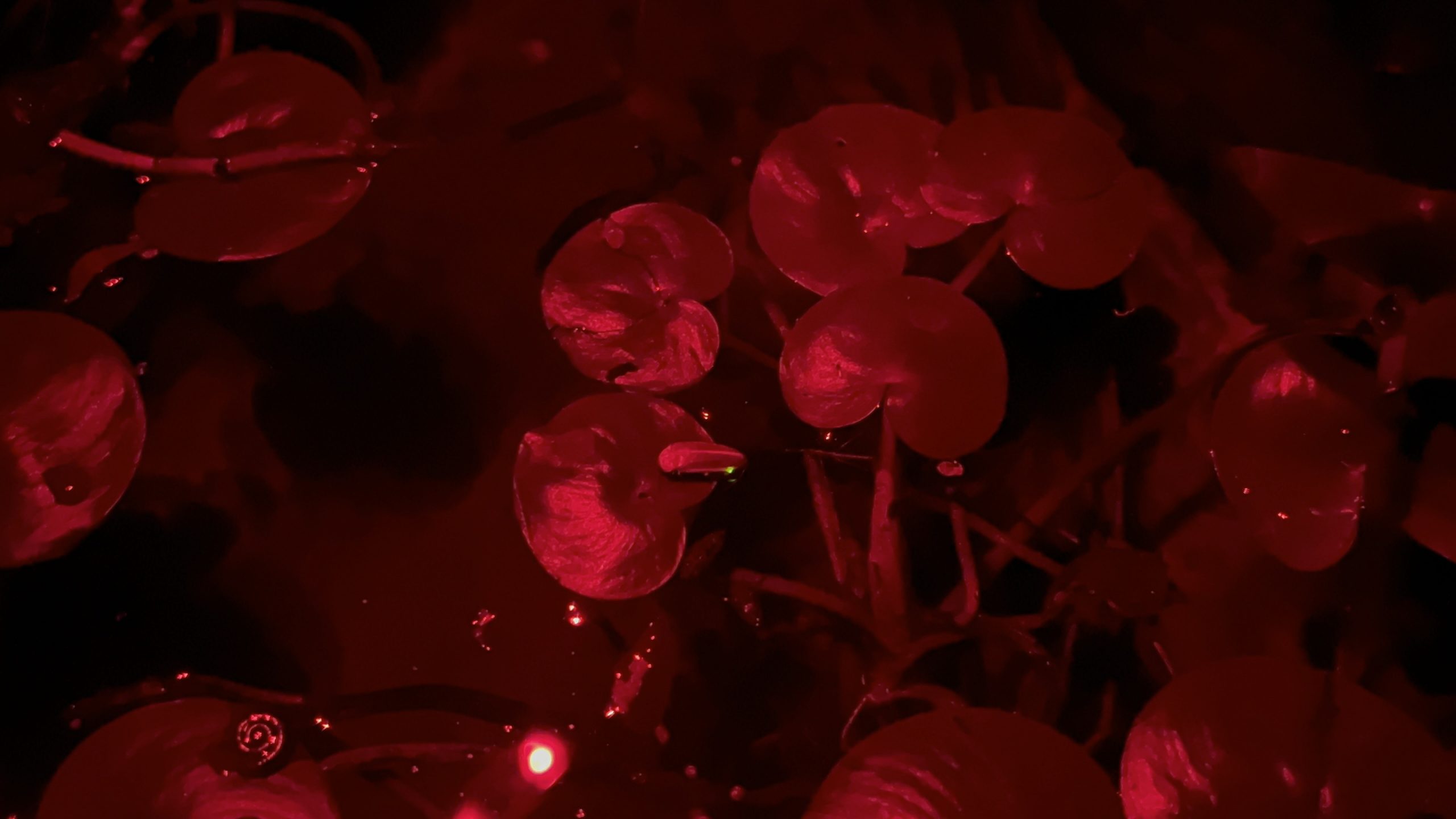
One reason fireflies attract the attention of conservationists is that they are often classified as environmental indicators, also known as bioindicator species.
A bioindicator is an organism whose presence, absence, or abundance reflects the overall condition of an ecosystem.
In simple terms, when fireflies thrive, environmental conditions are often healthy. When populations decline, it may indicate ecological stress or habitat degradation.
This is why many researchers involved in firefly conservation consider these insects valuable indicators of ecosystem health.
To survive and reproduce successfully, fireflies require several environmental conditions:
Clean Water Sources
Many species spend part of their life cycle near wetlands, irrigation channels, rivers, and moist soils.
Water pollution can directly affect larvae and reduce the suitability of habitats, making fireflies highly sensitive to changes in water quality.
Natural Vegetation
Healthy vegetation provides shelter, breeding areas, and food sources.
Areas rich in native plants often support diverse insect communities and stronger ecological networks.
Stable Humidity
Fireflies are closely associated with humid environments.
Changes in climate patterns, prolonged droughts, or habitat degradation can negatively affect their survival.
Minimal Light Pollution
Artificial lighting is one of the biggest challenges facing fireflies Bali populations and firefly species around the world.
Fireflies rely on light signals to locate mates. Excessive outdoor lighting can interfere with this communication system, making reproduction more difficult.
Low Levels of Chemical Use
Heavy pesticide use can harm fireflies directly or indirectly by disrupting food chains and altering environmental conditions.
Because fireflies require all of these factors to coexist, their presence often reflects a healthy and functioning ecosystem.
Fireflies Bali and the Connection to Traditional Rice Field Ecosystems

Source: Bring Back The Light Team

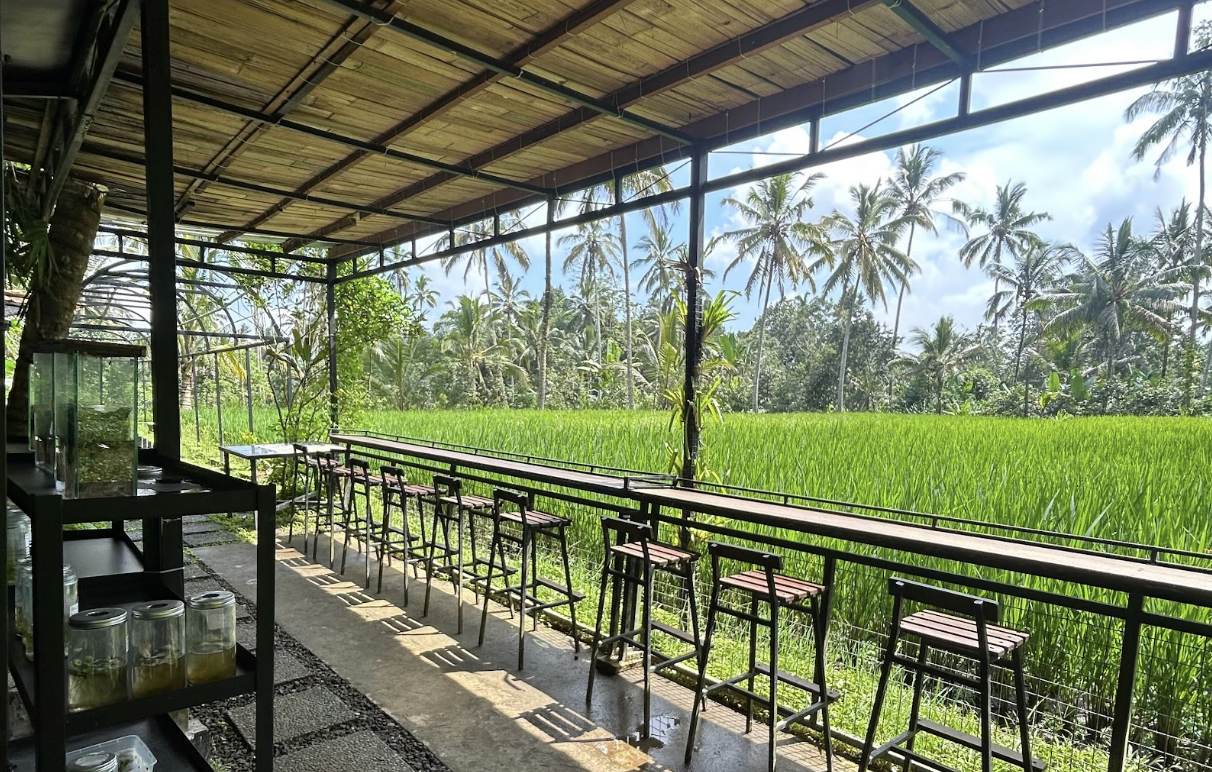
When people think about rice fields, they often see them primarily as places where food is produced. In reality, rice fields are also important ecological habitats.
Across Bali, traditional agricultural landscapes support a remarkable variety of life.
Within a single rice-growing area, it is possible to find:
- Insects
- Birds
- Amphibians
- Reptiles
- Fish
- Aquatic organisms
- Beneficial microorganisms
Together, these species form interconnected ecosystems that contribute to environmental stability and resilience.
The presence of fireflies Bali visitors encounter today is closely linked to these traditional agricultural landscapes.
This relationship is particularly evident within Bali’s traditional subak system.
The subak system is internationally recognized for its unique approach to water management. Through a network of irrigation canals and community-based governance, water flows across landscapes while supporting both agricultural productivity and biodiversity.
For fireflies, these conditions are ideal.
Rice fields often provide:
- Moist soils
- Irrigation channels
- Wetland-like habitats
- Stable humidity
- Vegetation cover
- Relatively low levels of disturbance
These features create suitable conditions for multiple stages of the firefly life cycle.
The connection between fireflies Bali populations and rice field ecosystems highlights an important ecological principle: everything is connected.
Water quality influences vegetation.
Vegetation influences insect populations.
Insect populations influence food webs.
Food webs influence ecosystem stability.
When one part of the system changes, the effects can ripple throughout the entire landscape.
This interconnectedness is one reason why protecting biodiversity Bali ecosystems support is essential for long-term environmental health.
Why Firefly Populations Are Declining
Source: Unsplash
Although fireflies continue to exist in many regions, scientists and conservation organizations have reported declining populations in various parts of the world.
Several factors contribute to this trend.
Light Pollution
Artificial lighting is considered one of the most significant threats to fireflies.
Streetlights, commercial buildings, outdoor advertising, and residential developments can alter nighttime environments dramatically.
For fireflies Bali populations that rely on darkness to communicate, excessive lighting can reduce breeding success and population growth.
Habitat Loss
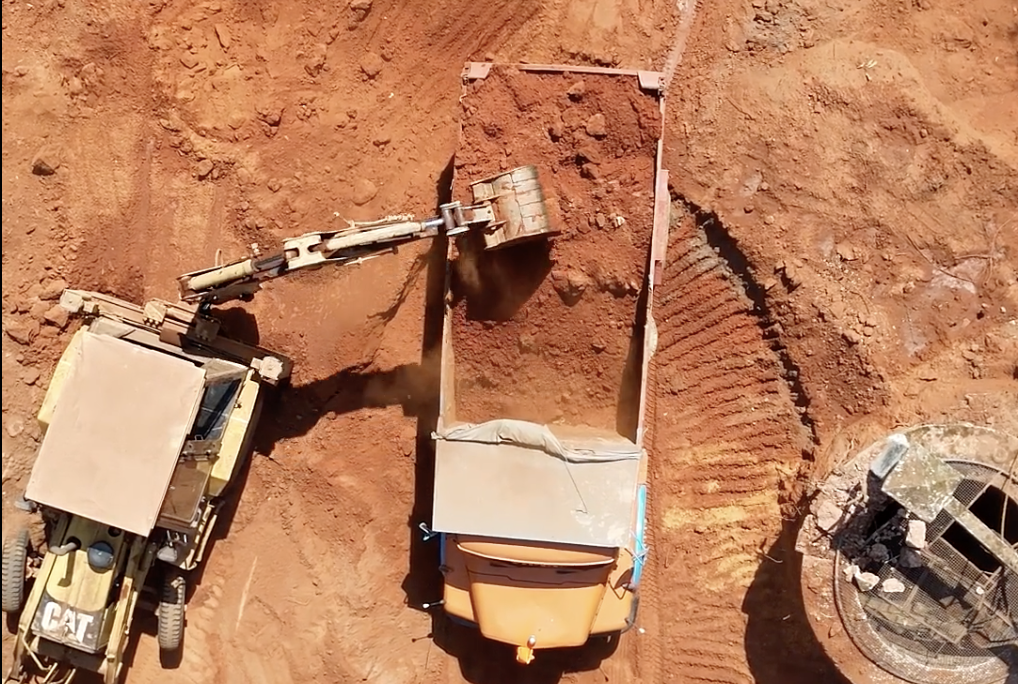
As urban development expands, natural habitats are often converted into roads, buildings, and tourism infrastructure.
Wetlands, agricultural landscapes, and natural areas may become fragmented or disappear entirely.
When habitats are lost, fireflies lose the environmental conditions they need to survive.
Chemical Use
Pesticides and agricultural chemicals can affect fireflies directly and indirectly.
Changes in soil quality, water quality, and food availability can all contribute to population declines.
Reducing harmful chemical use is therefore an important aspect of firefly conservation efforts.
Urban Expansion
Urban growth often fragments habitats into isolated patches.
Even when suitable environments remain, populations may become disconnected, making them more vulnerable to environmental pressures over time.
The decline of fireflies is therefore not caused by a single issue. It reflects broader environmental changes affecting ecosystems at multiple levels.
Why Protecting Fireflies Means Protecting More Than Just One Species
Source: Bring Back The Light Team
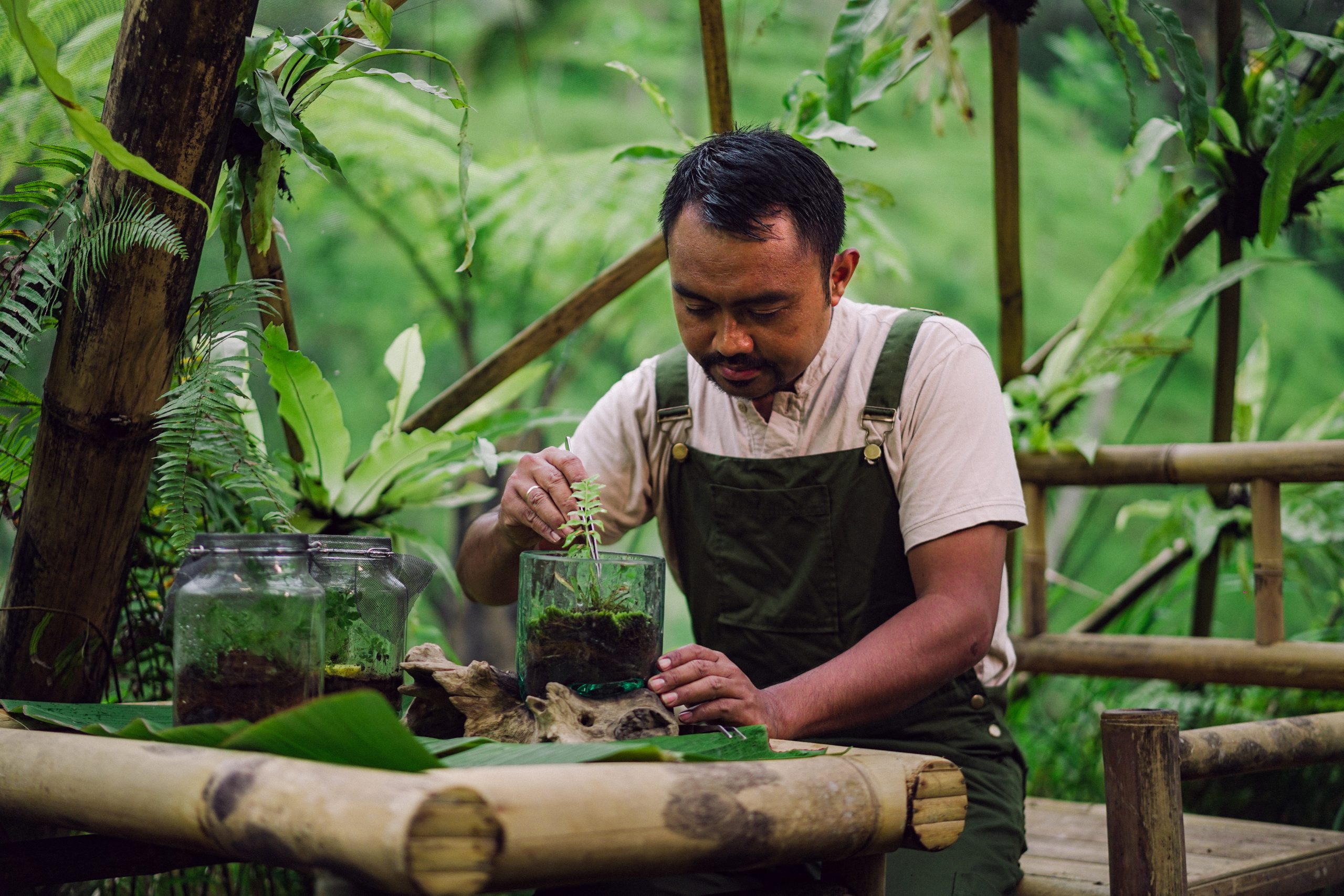
One of the most important lessons from firefly conservation is that protecting a single species often helps protect entire ecosystems.
Fireflies depend on:
- Clean water
- Healthy wetlands
- Traditional rice fields
- Native vegetation
- Biodiverse habitats
- Dark night environments
Protecting these conditions benefits many other species as well.
Birds, amphibians, pollinators, aquatic organisms, and countless other forms of life depend on the same ecological systems.
For conservationists, protecting fireflies Bali populations is not only about preserving a fascinating insect. It is also about safeguarding the natural processes that support biodiversity, environmental resilience, and ecosystem health.
In many ways, fireflies can be viewed as ambassadors for healthy ecosystems.
Their presence reminds us that biodiversity is not simply a collection of species. It is a network of relationships that sustains life across landscapes.
Protecting fireflies therefore means protecting the larger systems that support both nature and people.
Experiencing Bali’s Ecosystems Through The Fireflies Journey 
Source: Bring Back The Light Team
Understanding nature often becomes more meaningful through direct experience.
While books, documentaries, and research provide valuable knowledge, firsthand encounters can help people build a deeper connection with the environment.
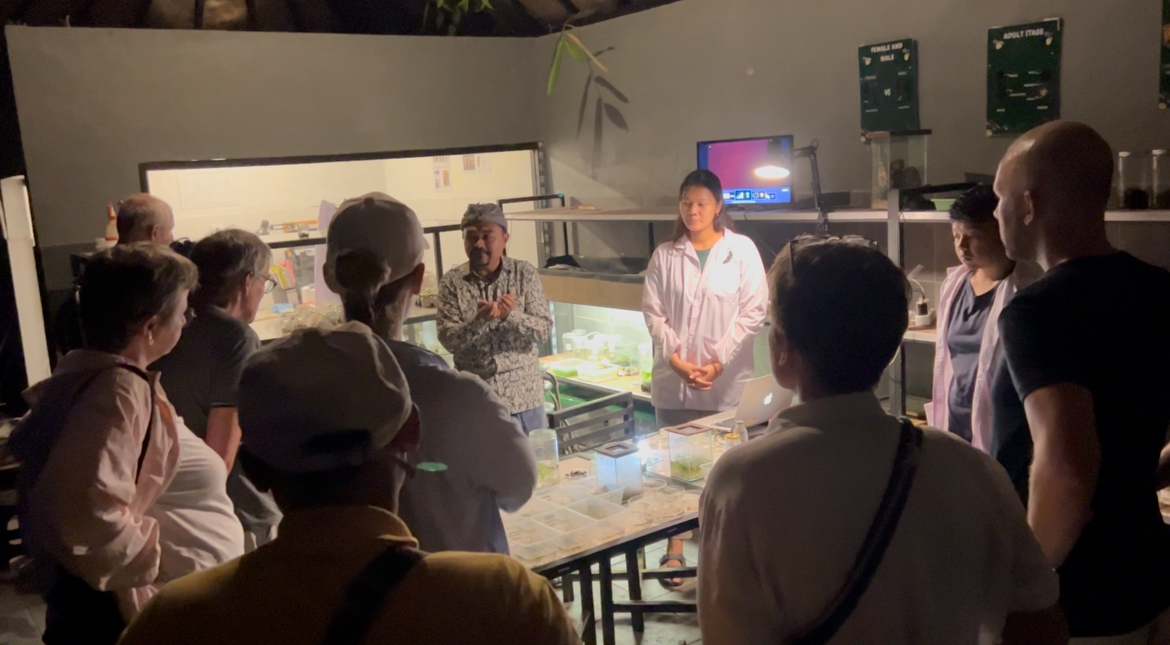
This is one of the goals behind The Fireflies Journey by Bring Back The Light.
The experience introduces visitors to the ecological role of fireflies Bali ecosystems support while exploring the broader relationships between biodiversity, conservation, and traditional agricultural landscapes.
Rather than focusing only on the insects themselves, The Fireflies Journey encourages participants to understand the environmental systems that make firefly populations possible.
Visitors can learn about:
- Firefly ecology and behavior
- Traditional rice field ecosystems
- Biodiversity in agricultural landscapes
- Environmental challenges affecting fireflies
- Conservation efforts in Bali
- The role of environmental education
- How tourism can support conservation awareness
By observing fireflies within their natural environment, participants gain a clearer understanding of how ecosystem health influences biodiversity.
The experience also highlights how sustainable tourism Bali initiatives can contribute to environmental awareness while encouraging responsible interactions with nature.
As interest in conservation tourism continues to grow, educational experiences such as The Fireflies Journey help demonstrate how tourism can support both learning and conservation outcomes.
For travelers seeking a deeper understanding of Bali beyond its well-known attractions, experiences centered on biodiversity and ecology offer valuable perspectives on the island’s natural heritage.
For further reading, explore:
- Responsible Tourism Is the Future of Bali
- Hidden Gems in Ubud for Nature Lovers
- Ubud Travel Mistakes
- Slow Travel in Bali
- Ubud Travel Guide 2026
Conclusion
The future of fireflies Bali populations depends on the health of the ecosystems they inhabit.
Although small in size, fireflies provide valuable insights into environmental quality, biodiversity, and ecological balance across the island. Their presence can indicate healthy habitats, clean water systems, and functioning ecosystems, while their decline may signal environmental stress.
Protecting fireflies means protecting much more than a single species. It means helping preserve wetlands, traditional rice fields, biodiversity, and the environmental systems that support life.
In Bali, understanding fireflies also means understanding the deeper connections between people, nature, and agricultural landscapes that have shaped the island for generations.
As conversations around conservation and sustainability continue to grow, fireflies remain powerful reminders that even the smallest species can tell us important stories about the health of our world.
Learn More Through The Fireflies Journey
If you’re interested in learning more about fireflies Bali, biodiversity conservation, and traditional rice field ecosystems, consider joining The Fireflies Journey by Bring Back The Light.
The experience offers a unique opportunity to explore the connection between conservation, traditional agricultural landscapes, and one of nature’s most fascinating insects. Through observation, education, and meaningful engagement with nature, visitors can gain a deeper appreciation of the ecosystems that support both fireflies and the broader biodiversity of Bali.