

Hidden Gems in Ubud for Nature Lovers – Ubud is often described as the cultural heart of Bali. Located in the island’s central highlands, it is widely known for its temples, rice terraces, yoga retreats, and artistic heritage. However, beyond the frequently photographed landmarks lies a quieter ecological layer shaped by river basins, traditional irrigation systems, biodiversity corridors, and community-led conservation initiatives. This lesser-seen side of Ubud reflects a landscape where nature and culture are deeply intertwined rather than separated into attractions and experiences.
For nature lovers seeking eco-friendly places off the beaten path, Ubud offers far more than scenic viewpoints. The region functions as an interconnected system where agriculture, spirituality, and ecology coexist in daily life. Rather than focusing on popularity, this guide highlights hidden gems that reveal environmental depth, rural continuity, and sustainable travel practices, illustrating how Ubud remains embedded within a broader ecological network that continues to shape Bali’s highland identity.
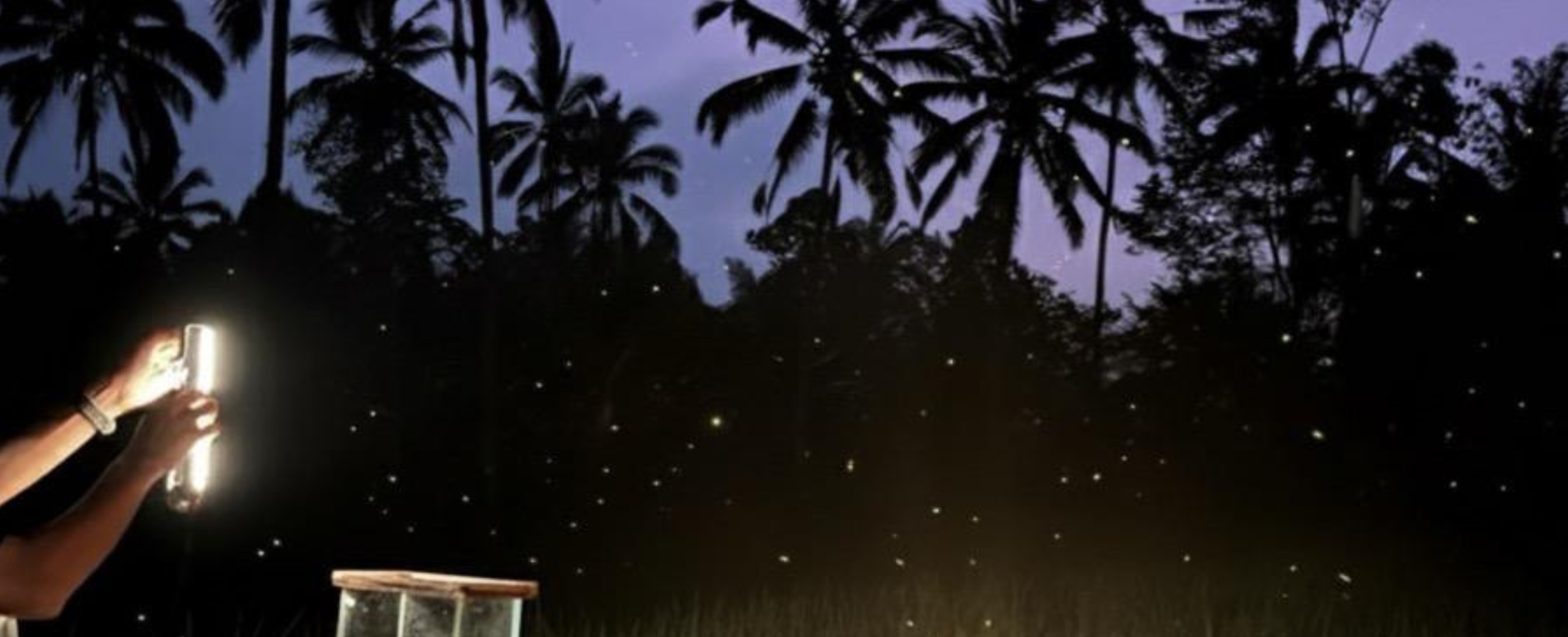
1. Bring Back The Light Bali – A Community-Based Firefly Conservation Experience
Source: Bring Back The Light
Among Ubud’s lesser-known ecological experiences is a nocturnal phenomenon that has historically defined rural Asian landscapes: fireflies.
In certain villages surrounding Ubud, seasonal fireflies still appear in rice field ecosystems after dusk. These bioluminescent insects, belonging to the Lampyridae family, are more than aesthetic curiosities. They function as ecological bioindicators — species whose presence signals healthy environmental conditions. Fireflies generally thrive in areas with minimal artificial lighting, clean water systems, and limited pesticide use.
Across many parts of Asia, firefly populations have declined due to urban expansion, light pollution, and intensive agricultural practices. Bali has experienced similar pressures as tourism development and infrastructure growth expand across the island.
Through its conservation-based initiative, The Fireflies Journey, Bring Back The Light Bali seeks to restore awareness of fireflies within a broader environmental context. Rather than presenting them as entertainment, the program frames fireflies as part of a larger ecological discussion connecting:
- Traditional subak irrigation networks
- Sustainable rice farming methods
- The effects of artificial light on nocturnal species
- Biodiversity within agricultural landscapes
- Community-led environmental stewardship
Participants are introduced to the relationship between water management systems and biodiversity health. The subak irrigation system, recognized by UNESCO as cultural heritage, distributes water cooperatively across rice fields. This water network not only sustains agriculture but also creates microhabitats for insects, amphibians, and aquatic organisms.
Artificial lighting, even at low intensity, can disrupt firefly mating patterns. By reducing light exposure in rural areas and encouraging environmentally sensitive tourism practices, initiatives such as Bring Back The Light Bali aim to protect these fragile ecosystems.
Within Ubud’s tourism landscape, this program represents a model of eco-friendly travel that prioritizes environmental literacy over spectacle. For nature lovers, it offers insight into how biodiversity, agriculture, and conservation intersect within Bali’s highland villages.
2. Pejeng Village – Traditional Rice Field Pathways and Subak Landscapes

Source: Beradadisini
While central Ubud is frequently visited for its markets and cultural attractions, the surrounding villages maintain agricultural systems that predate tourism. Pejeng Village, located east of Ubud, offers a glimpse into Bali’s working rice field landscapes without heavy commercial infrastructure.
The rice fields here are supported by the subak irrigation system, a cooperative water management network that has shaped Balinese agriculture for centuries. Unlike modern centralized irrigation models, subak functions through temple-based coordination and community consensus. Water is distributed equitably among farmers, reflecting the Balinese philosophy of Tri Hita Karana, which emphasizes harmony between humans, nature, and spirituality.
Walking through Pejeng’s narrow pathways reveals more than layered green scenery. It illustrates:
- Active farming livelihoods
- Seasonal planting and harvesting cycles
- Water distribution channels carved into the landscape
- The integration of ritual practice with agriculture
Unlike curated terrace viewpoints, these fields remain embedded in daily rural life. Farmers continue to cultivate rice using techniques adapted to local topography and water flow patterns.
For nature lovers, Pejeng represents an eco-friendly environment shaped by continuity rather than spectacle. The landscape functions as both productive farmland and ecological habitat. Insects, birds, and small aquatic species inhabit irrigation channels and field margins, forming part of a biodiverse agricultural system.
Understanding Ubud’s environmental identity requires recognizing that its iconic rice terraces are not isolated attractions. They are components of a broader socio-ecological network sustained by cooperative governance and long-standing cultural practices.
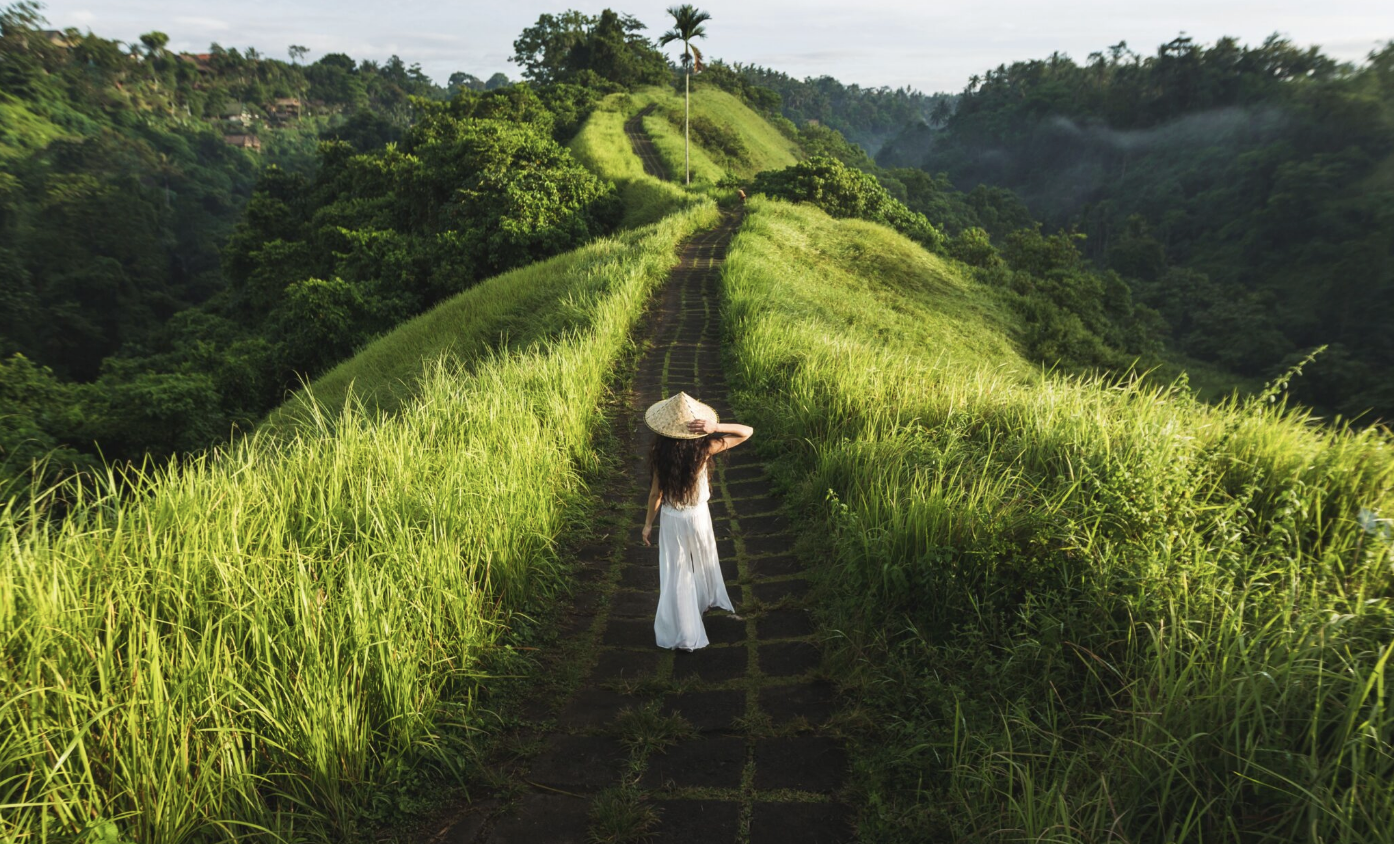
3. Campuhan Ridge Walk – A Green Corridor Between River Valleys
Source: FINNS Beach Club
Located within walking distance of Ubud’s town center, Campuhan Ridge Walk offers a transitional landscape that many visitors overlook in favor of more structured attractions.
The ridge runs between two river valleys, forming a natural corridor that contributes to airflow, vegetation diversity, and visual openness within an expanding tourism hub. From the elevated path, visitors can observe rolling hills, grasslands, and distant forest edges that define Ubud’s topography.
What makes Campuhan Ridge environmentally significant is its function as a green buffer zone. As development increases around central Ubud, open corridors such as this help maintain ecological balance by:
- Preserving natural drainage systems
- Supporting plant and insect diversity
- Allowing wildlife movement between forested areas
- Providing carbon-absorbing vegetation within urban proximity
The ridge illustrates how Ubud is embedded within a broader watershed basin. Rainwater flows from highland slopes into river valleys below, contributing to irrigation systems and agricultural productivity downstream.
While the trail is occasionally visited during sunrise or sunset, it retains a sense of openness and ecological continuity. For travelers seeking eco-friendly places off the beaten path, Campuhan Ridge offers a landscape-based perspective on how geography shapes settlement and agriculture in Bali’s central highlands.
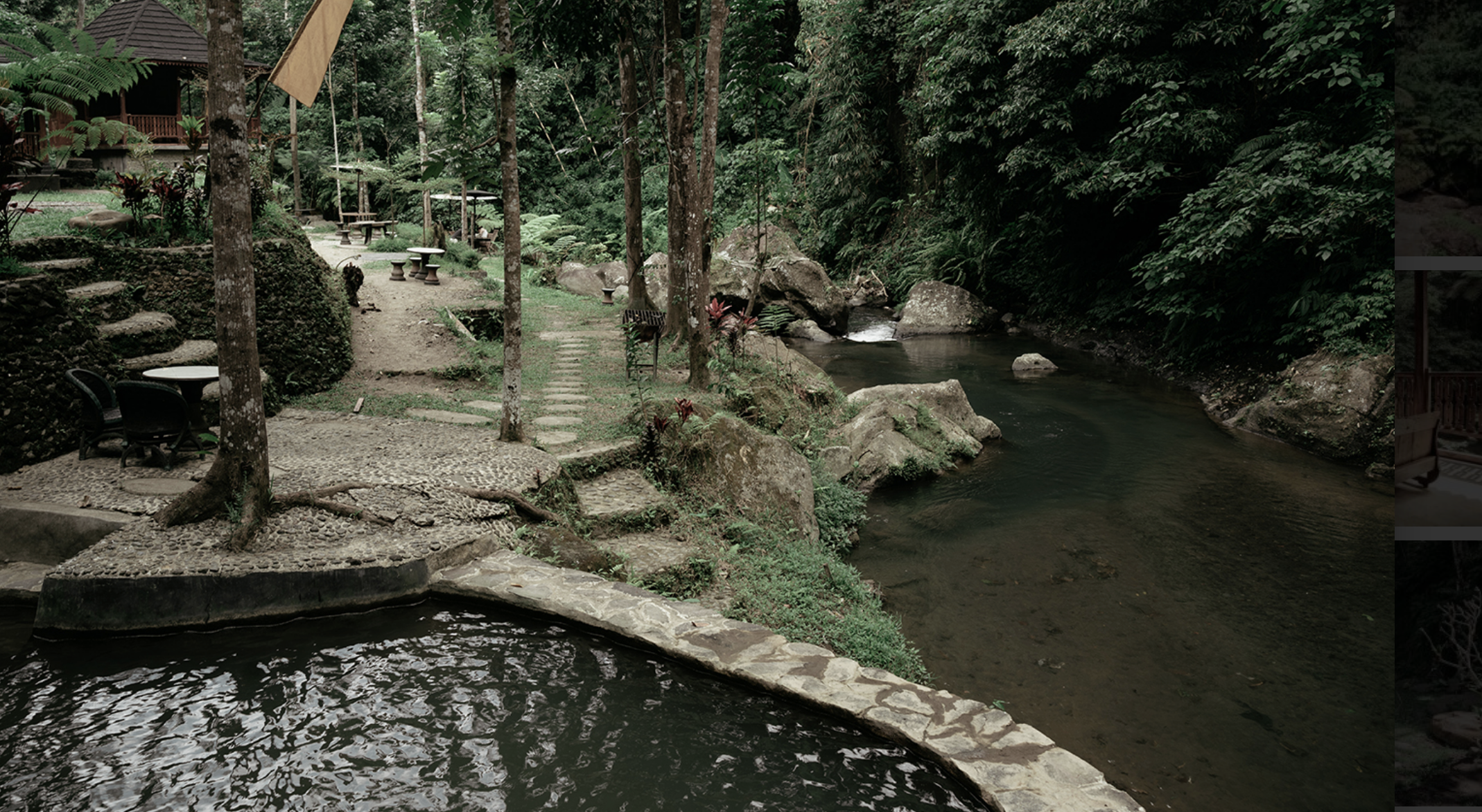
4. Petanu River – A Watershed Supporting Biodiversity and Agriculture
Source: Ancut Petanu River
Rivers are foundational to Bali’s inland ecology. The Petanu River, flowing east of Ubud, supports irrigation networks, forest growth, and rural communities across Gianyar Regency.
While certain sections of the river are accessed through popular attractions, many stretches remain relatively undisturbed. Dense vegetation lines the riverbanks, creating shaded microhabitats for birds, insects, amphibians, and aquatic organisms.
Watershed systems such as the Petanu River are critical because they:
- Supply water for rice cultivation
- Maintain soil moisture in surrounding farmland
- Support biodiversity corridors
- Recharge groundwater reserves
The health of these rivers directly influences agricultural sustainability. Pollution, sedimentation, and upstream development can disrupt water quality, affecting both human livelihoods and ecological stability.
For nature lovers exploring Ubud beyond the crowds, river systems reveal the environmental infrastructure underlying visible landscapes. Without healthy watersheds, rice terraces would not thrive, and biodiversity would decline.
Understanding Ubud as an eco-friendly destination requires acknowledging the interconnectedness of its rivers, forests, and agricultural fields.
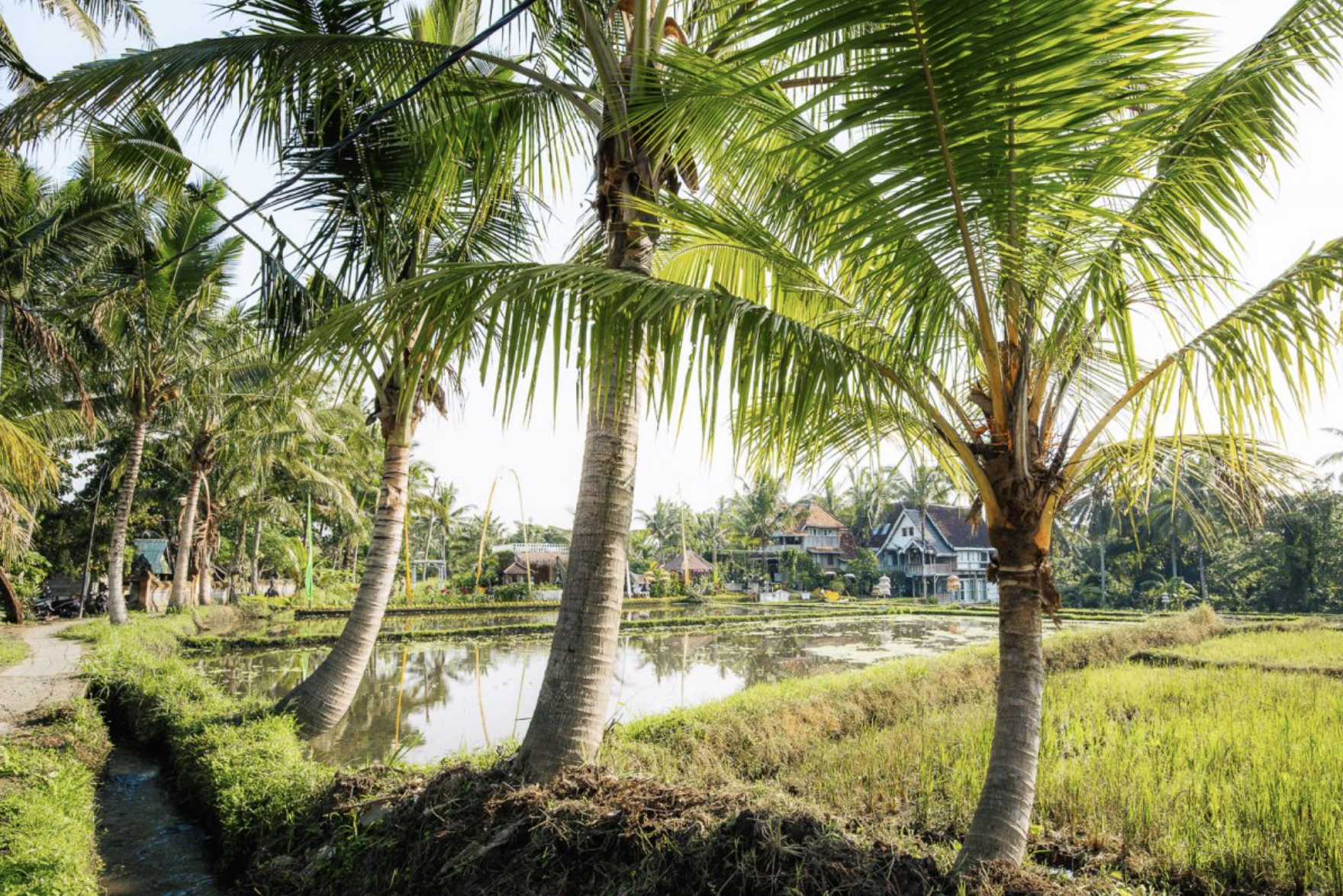
5. Sari Organic Walk – Extended Farmland
Source: Omnivagant
Sari Organic Walk is sometimes visited for its café stops and scenic rice field views. However, fewer travelers explore its extended back trails that branch into quieter agricultural zones.
These pathways lead through small-scale farms where irrigation channels, vegetable plots, and rice paddies coexist. During late afternoon, the atmosphere shifts as insect activity increases and birds return to roosting areas.
The farmland functions as more than a visual landscape. It operates as a living ecological space shaped by:
- Seasonal crop rotation
- Soil fertility management
- Water distribution systems
- Pollinator presence
Agricultural landscapes can support biodiversity when chemical inputs are minimized and natural habitats are preserved along field margins.
For travelers interested in sustainable tourism in Ubud, these extended trails provide insight into how agriculture and ecology intersect. They demonstrate that farmland can serve simultaneously as livelihood, habitat, and green buffer within a growing tourism region.
Why Eco-Friendly Travel Matters in Ubud
As tourism expands globally, destinations face the challenge of balancing economic opportunity with environmental preservation. Ubud is no exception. Infrastructure growth, increased accommodation development, and artificial lighting can alter natural systems over time.
Eco-friendly travel practices aim to reduce environmental strain while supporting local communities. This approach includes:
- Choosing community-based initiatives
- Respecting agricultural land and irrigation systems
- Minimizing artificial light exposure in rural areas
- Supporting conservation-oriented programs
- Understanding the ecological context of visited landscapes
Programs such as The Fireflies Journey reflect this shift toward environmentally grounded tourism. Rather than prioritizing volume, such initiatives emphasize education and awareness, encouraging visitors to see landscapes as interconnected systems rather than isolated attractions.
Conclusion – Discovering Ubud’s Environmental Depth
Hidden gems in Ubud for nature lovers are not defined solely by remoteness, but by ecological continuity. From firefly conservation efforts led by Bring Back The Light Bali to traditional rice field systems in Pejeng, and from green corridors along Campuhan Ridge to watershed ecosystems supported by the Petanu River, these places demonstrate how culture and environment remain deeply interconnected in Bali’s highlands.
Exploring eco-friendly places off the beaten path allows travelers to move beyond surface-level attractions and engage with Ubud’s living systems. If you would like to experience this ecological perspective firsthand, consider joining The Fireflies Journey by Bring Back The Light Bali and discover how conservation, community, and nature come together after sunset.