
Authentic culture in Ubud – Ubud is often described as the cultural heart of Bali. Travelers come searching for temples, rice terraces, traditional dance performances, and a slower way of life. Yet many visitors leave feeling like they only experienced a curated version of the island, beautiful, but distant from everyday reality.
The truth is, authentic culture in Ubud still exists. However, crowded tourist attractions and staged experiences do not always reflect this authentic side of Ubud. Real culture in Bali continues to thrive through village communities, family rituals, farming traditions, and the close relationship between people and nature.
Beyond the cafés and tourist hotspots, communities in Ubud still practice ancient agricultural systems, communal ceremonies, and spiritual traditions in daily life. To experience this side of Bali, travelers need to slow down and look beyond surface-level tourism.
For those seeking a more authentic Ubud experience, the journey often begins outside the main tourist center.
Why Many Travelers Miss the Real Ubud

Source: Unsplash
Many travelers spend most of their time in central Ubud, where tourism infrastructure is concentrated. Popular cafés, markets, yoga studios, and luxury villas are easy to access, making it convenient to stay within a small area throughout an entire trip.
At the same time, modern travel habits often encourage fast consumption. Tight itineraries, short stays, and social media-driven travel can turn destinations into a checklist rather than a lived experience. Travelers move quickly from one photo spot to another without spending enough time to understand the deeper rhythms of local life.
This creates a disconnect between what visitors expect from “culture” and what culture actually is.
Culture in Bali is not simply a performance created for tourists. It is woven into everyday routines in the offerings placed outside homes every morning, in the maintenance of rice fields, in community temple ceremonies, and in the cooperative systems that villages have practiced for generations.
When travelers only focus on aesthetics, they often miss the human and ecological relationships that make Ubud culturally significant in the first place.
A real Ubud experience requires more than sightseeing. It requires attention, patience, and a willingness to engage with the island beyond curated tourist spaces.
What Authentic Culture in Ubud Actually Looks Like
Source: Unsplash
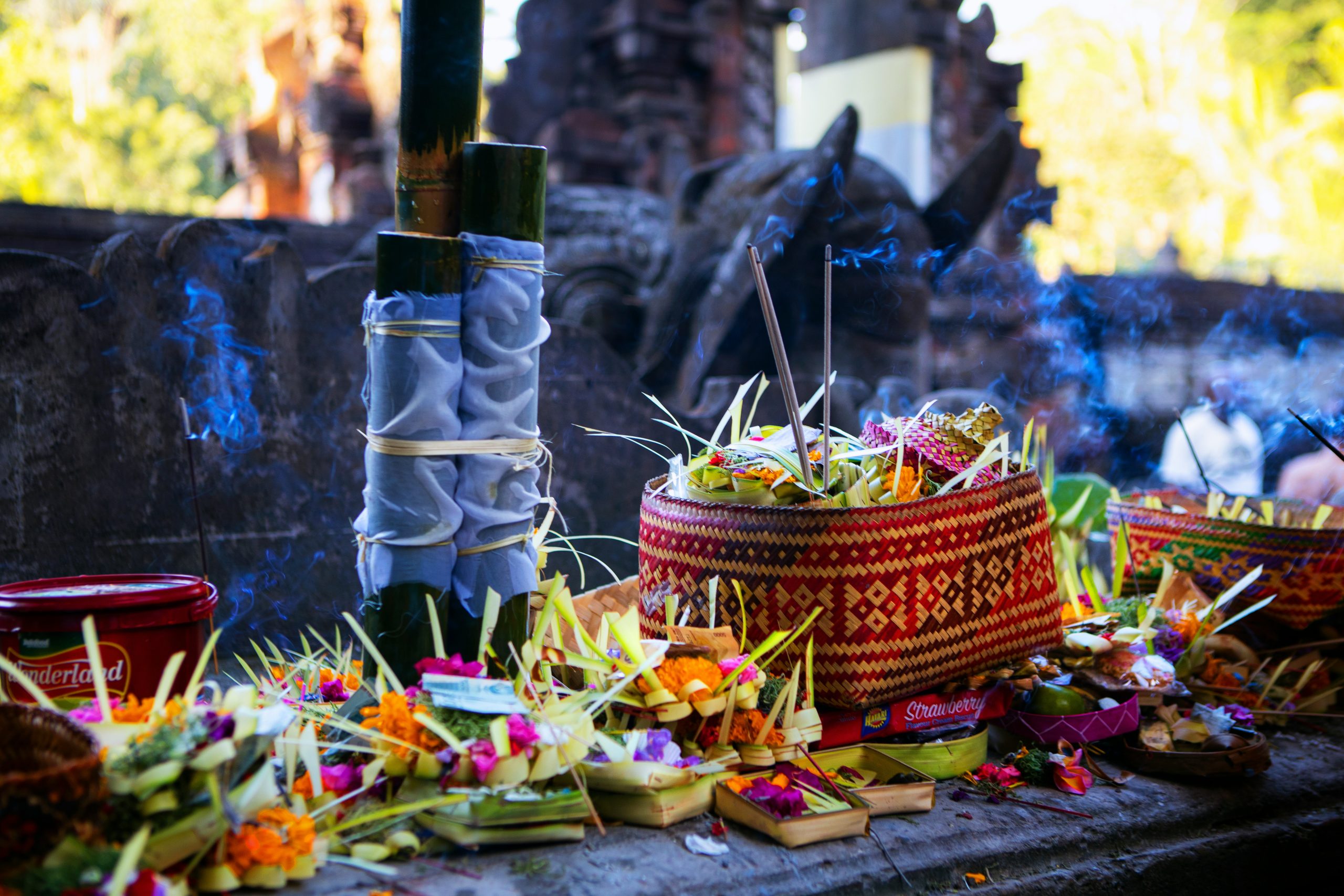
Authentic culture in Ubud is not frozen in the past. It is a living culture that continues to evolve while remaining deeply connected to Balinese philosophy and community life.
One of the best examples is the subak irrigation system, a traditional farming network that reflects the balance between people, nature, and spirituality in Bali.
Around Ubud, people continue to practice morning offerings, village ceremonies, and traditional farming traditions passed down through generations. Local communities preserve these rituals and landscapes as part of everyday life, not as performances for tourism.
In many rural areas, rice fields are more than scenic views. They represent history, livelihood, and the strong connection between culture and nature that continues to define authentic cultural experiences in Ubud.
Places & Experiences That Feel More Authentic

Source: Bring Back The Light Team
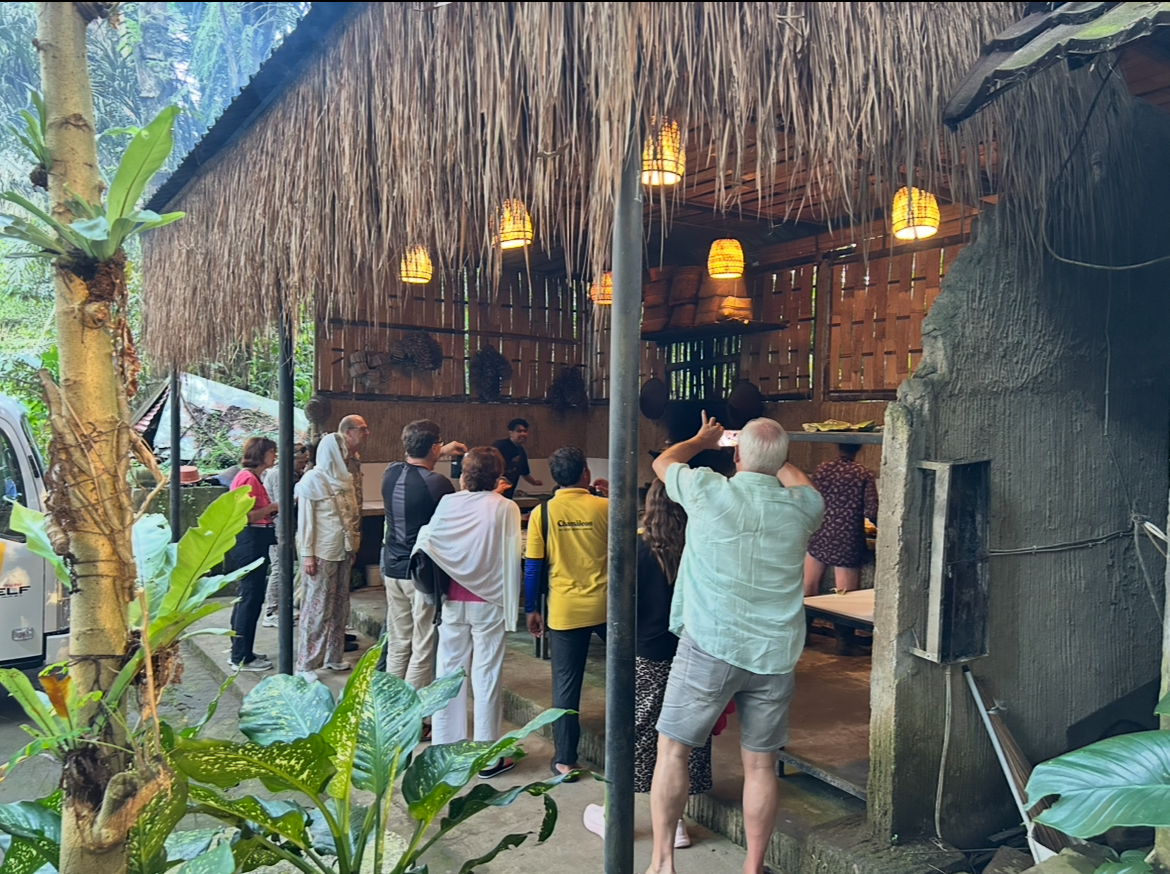
Travelers looking for non touristy things to do in Ubud often find that the most meaningful experiences are the simplest.
Beyond the busy center, village walks, quiet rice fields, and community-led activities offer a deeper connection to Bali’s daily life and cultural traditions. Nature-based experiences focused on conservation and rural ecosystems also reveal how closely Balinese culture is tied to the environment.
These moments may feel less commercialized, but they often leave the strongest impression, allowing travelers to experience Bali as a living community, not just a tourist destination.
Why Slow & Responsible Travel Matters in Ubud
Source: Bring Back The Light Team
As tourism in Bali continues to grow, conversations around overtourism and sustainability have become increasingly important. Ubud faces challenges related to traffic, development pressure, waste management, and the commercialization of culture.
This is why slow and responsible travel matters.
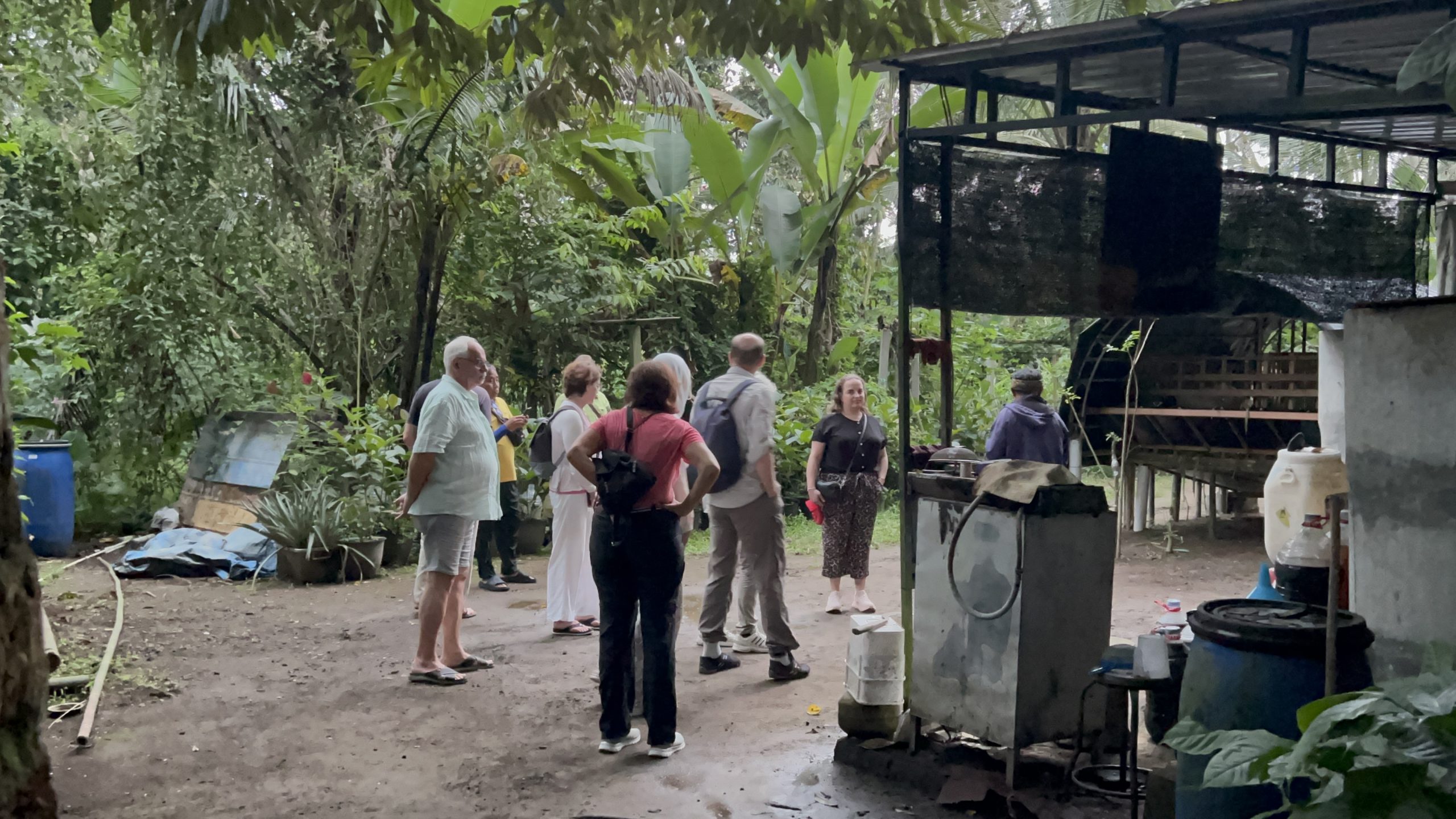
Slow travel encourages visitors to spend more time in fewer places, engage more thoughtfully with local communities, and travel with greater awareness of environmental and cultural impact.
Rather than rushing through attractions, travelers gain a deeper understanding of the places they visit. They become more attentive to local customs, more respectful of sacred spaces, and more connected to the rhythms of daily life.
Responsible travel also supports experiences that prioritize community participation and environmental stewardship instead of mass tourism consumption.
For travelers seeking authentic culture in Ubud, slowing down often leads to richer and more meaningful memories than any crowded attraction can provide.
A Different Way to Experience Authentic Culture in Ubud
Source: Bring Back The Light Team
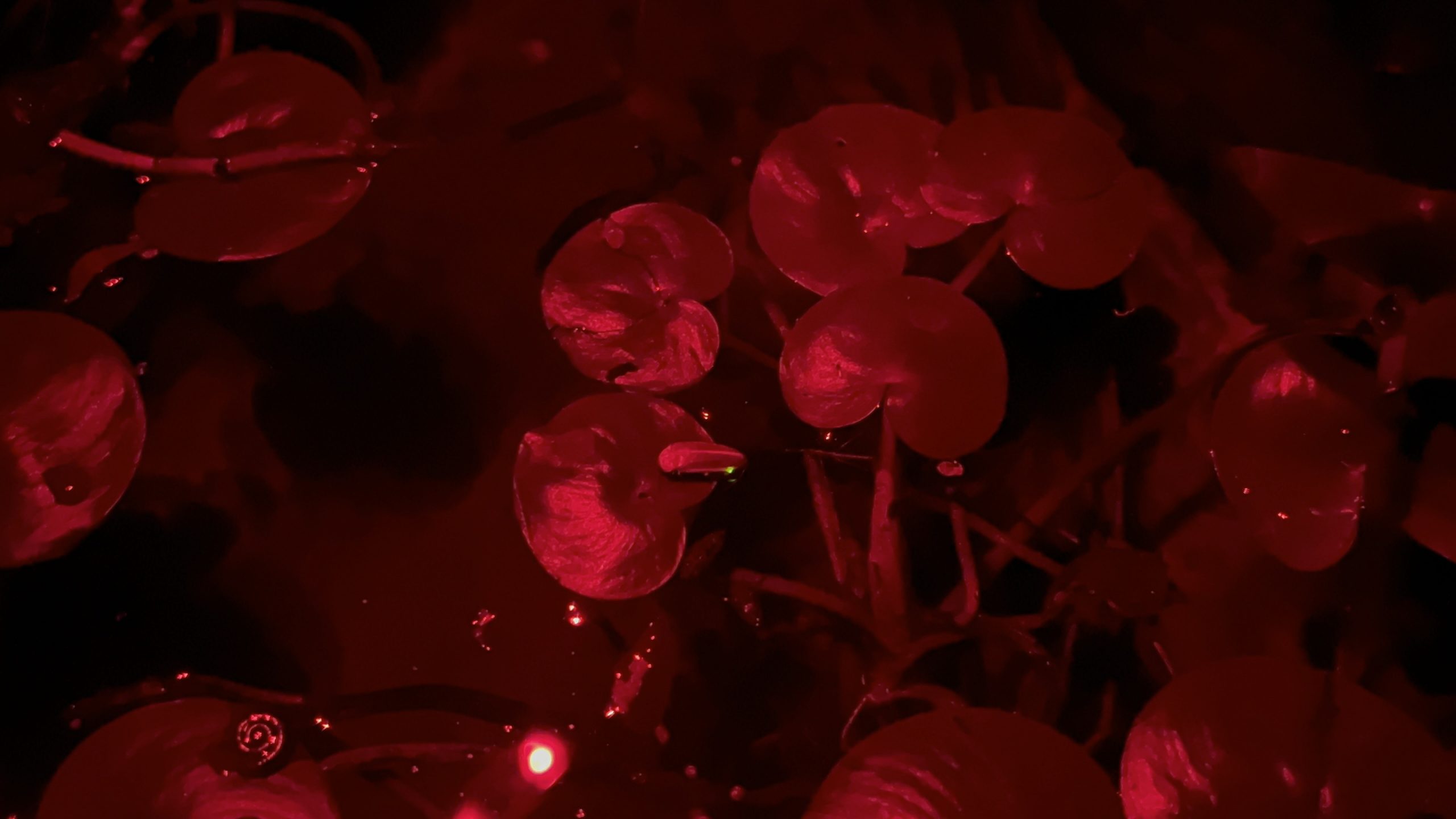
The Fireflies Journey by Bring Back The Light Bali offers a more meaningful way to experience Ubud beyond typical tourism.
Set within Bali’s rice fields, the journey introduces travelers to biodiversity, conservation, and the connection between nature and local culture. More than a beautiful sight, fireflies reflect the health of the ecosystem and traditional farming landscapes.
Through this experience, visitors gain a deeper understanding of Bali’s rural life and the relationship between people, land, and tradition, offering a quieter and more authentic side of Ubud.
Conclusion
Authentic Ubud still exists, but finding it often requires travelers to move beyond the most crowded tourist spaces and explore the island more intentionally.
The real cultural richness of Ubud is not limited to performances or landmarks. It lives in village communities, agricultural traditions, spiritual practices, and the ongoing relationship between people and nature.
For travelers seeking a deeper and more meaningful connection with Bali, slowing down can completely change the experience. Some of the most memorable moments are often found far from the busiest attractions, where culture is still lived rather than presented for visitors.
If you want to experience a quieter and more meaningful side of Ubud, consider joining The Fireflies Journey by Bring Back The Light Bali, a conservation-based experience that connects travelers with Bali’s rural landscape, biodiversity, and cultural ecology.