
Slow travel in Bali – Bali has become one of the world’s most visited travel destinations known for its beaches, temples, cafés, waterfalls, and endless social media-worthy views. But for many travelers, the experience often becomes surprisingly exhausting.
Days are packed with back-to-back destinations. Mornings begin before sunrise to avoid crowds, afternoons are spent moving between cafés and attractions, and evenings disappear into editing photos or planning the next stop. In the rush to “see everything,” many visitors leave Bali feeling tired, disconnected, and strangely distant from the island itself.
This is why the idea of slow travel in Bali is becoming increasingly important.
Slow travel is not about doing less simply for the sake of slowing down. It is about experiencing a place more deeply, more consciously, and more meaningfully. Instead of collecting destinations, travelers focus on building genuine connections with local culture, nature, and everyday life.
In Bali, an island shaped by spirituality, community, and rhythm slowing down often reveals experiences that rushed itineraries cannot.
What Is Slow Travel?
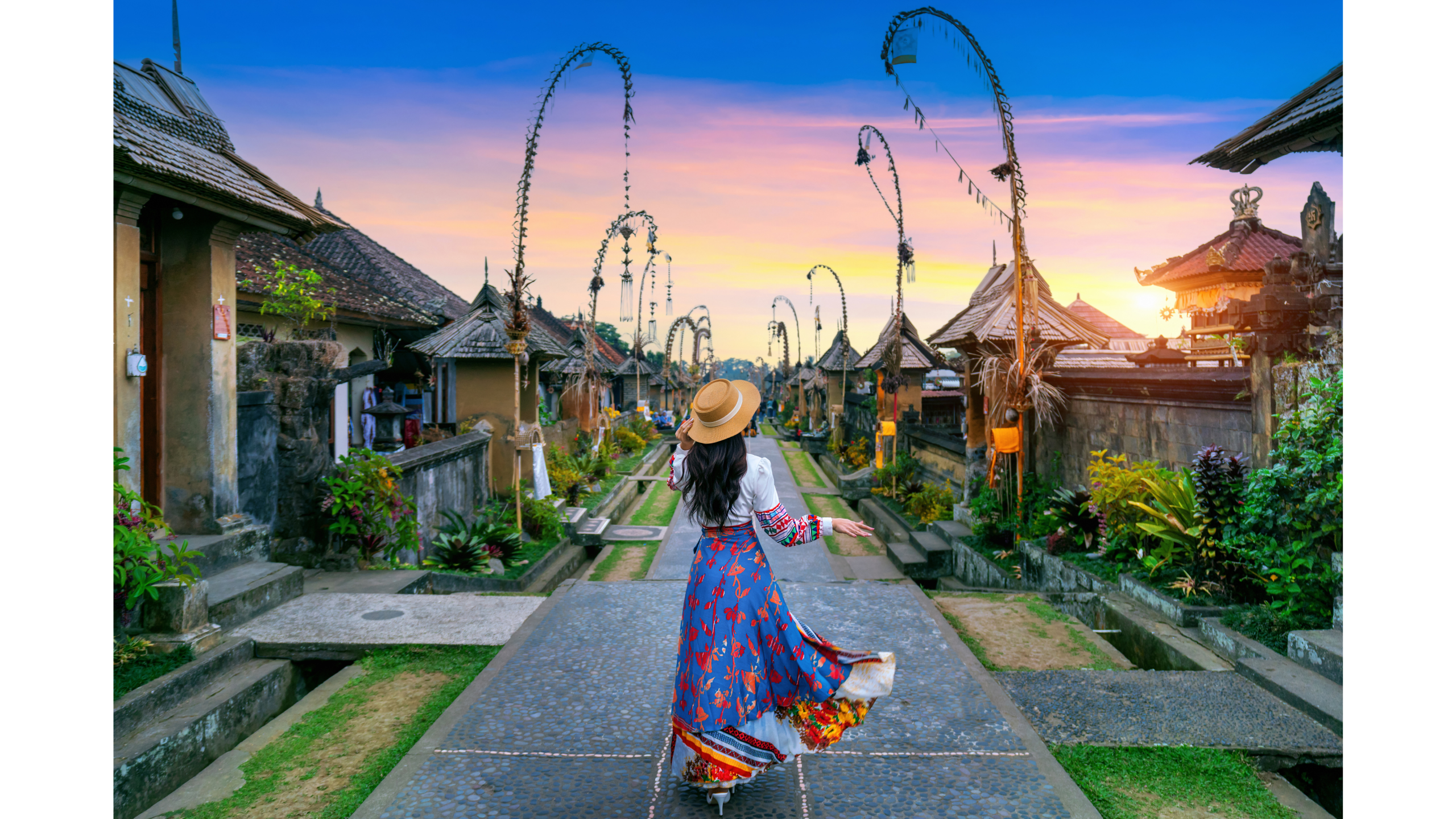
At its core, slow travel is a more intentional approach to exploring a destination.
Rather than trying to visit as many places as possible in a short amount of time, slow travelers choose to spend longer periods in fewer locations. The focus shifts from constant movement to deeper understanding.
This can mean:
- staying in one village longer,
- learning about local traditions,
- connecting with nature,
- supporting local communities,
- or simply allowing space to experience a place without rushing.
Importantly, slow travel in Bali does not mean lazy travel. It is not about avoiding adventure or limiting experiences. Instead, it is about being more present in the experiences you choose.
In many ways, slow travel encourages travelers to become participants rather than observers.
The result is often a more emotionally memorable and authentic journey.
Why Bali Feels Better When Experienced Slowly

Source: Bring Back The Light Team
Bali is not only defined by its tourist attractions. The island’s identity lives quietly in its daily rituals, village life, landscapes, and traditions.
The sound of morning offerings being placed outside homes. Farmers working within Bali’s ancient rice terrace systems. Community ceremonies that shape the rhythm of village life. Even the slower pace of evenings in rural areas creates a very different atmosphere from the busy tourist centers often seen online.
These details are easy to miss when travel becomes overly scheduled.
A rushed itinerary may allow visitors to check off famous landmarks, but it often leaves little space to actually feel connected to the island. Many of Bali’s most meaningful moments happen unexpectedly — during a conversation with a local family, a peaceful walk through rice fields, or a quiet evening surrounded by nature.
This is what creates a truly authentic Bali experience.
When travelers slow down, Bali begins to feel less like a destination to consume and more like a place to understand.
The Problem With Fast Tourism
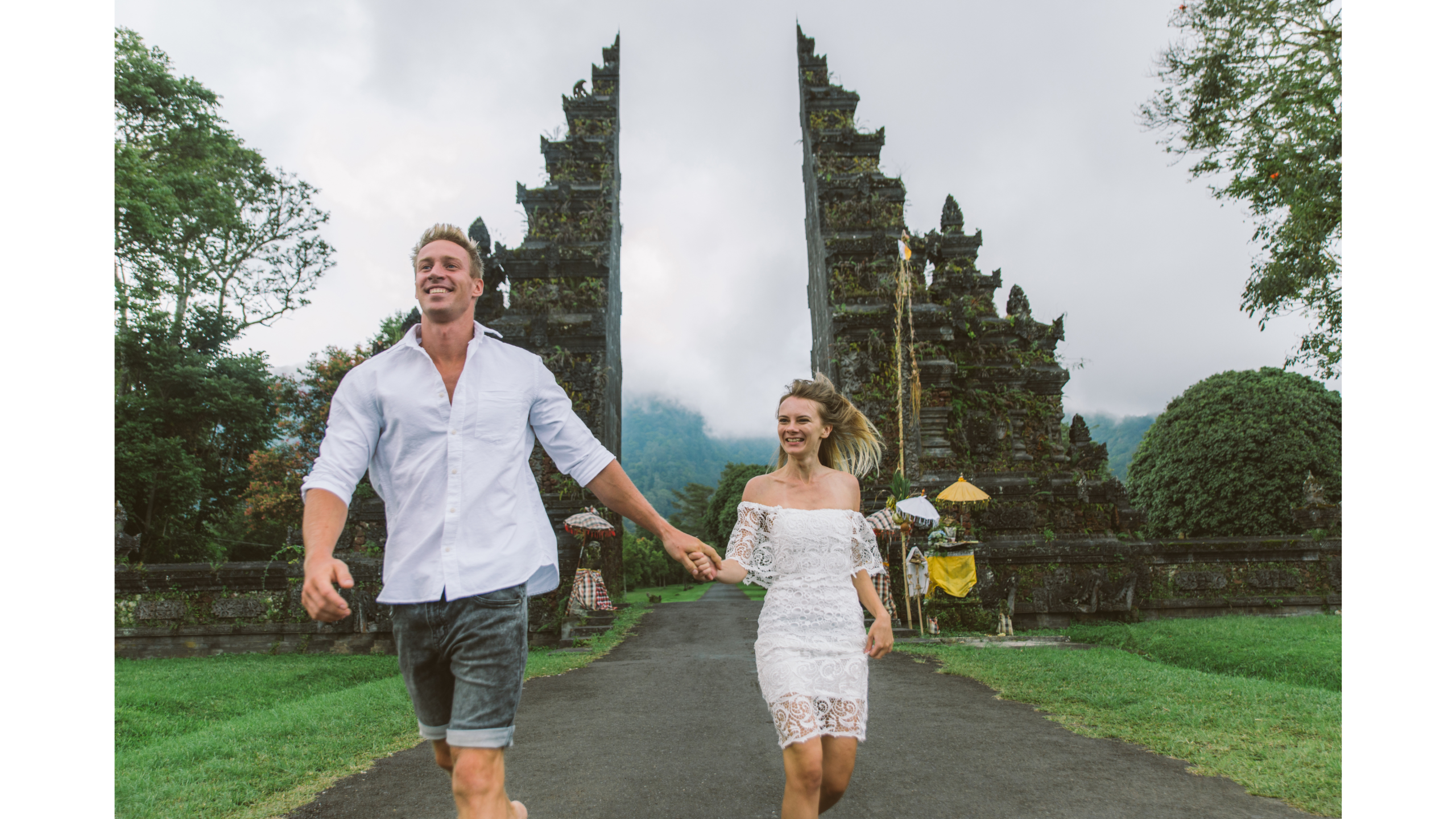
Over the years, Bali has also experienced the challenges of fast tourism.
The rise of social media-driven travel has encouraged travelers to move quickly from one “must-visit” location to another. Destinations are often experienced through cameras first and personal connection second. As a result, many popular areas face overcrowding, environmental pressure, and reduced cultural sensitivity.
This is not entirely the fault of travelers. Modern tourism often promotes the idea that more destinations equal a better experience.
But constantly consuming destinations at high speed can unintentionally create distance between travelers and the places they visit.
In Bali, this can contribute to:
- overtourism in concentrated areas,
- environmental strain,
- loss of cultural intimacy,
- and experiences that feel increasingly transactional.
This is why conversations around responsible tourism Bali and eco friendly travel Bali are becoming more important.
Responsible travel is not about perfection. It is about awareness. Small choices, staying longer in one area, supporting community-based experiences, respecting local traditions, and engaging with nature more thoughtfully can create more positive relationships between travelers and destinations.
What Meaningful and Slow Travel in Bali Actually Looks Like
Source: Bring Back The Light Team
Meaningful travel in Bali often feels quieter than the versions promoted online.
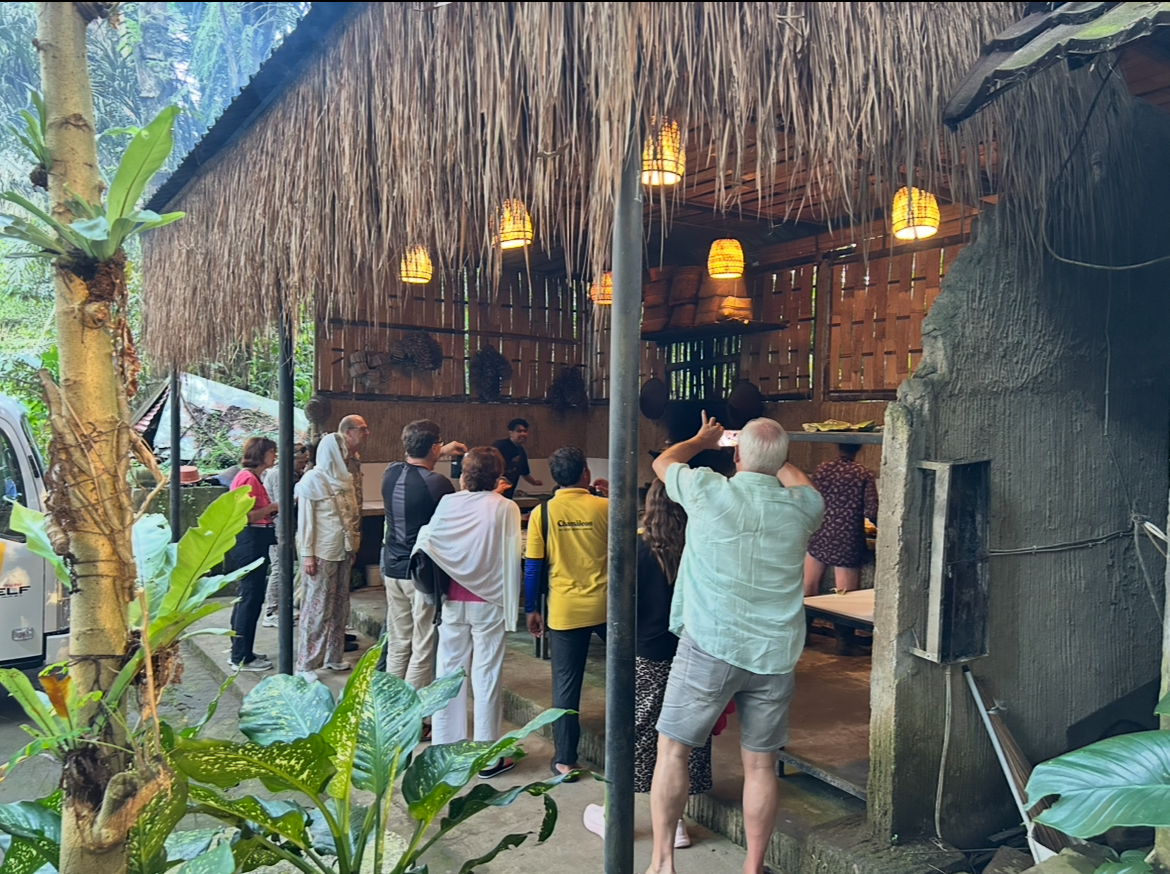
It may look like spending an afternoon walking through a village instead of rushing between attractions. It may involve learning about local ecology, participating in community-based tourism experiences, or simply choosing to stay present without constantly documenting every moment.
Nature-based experiences also tend to create stronger emotional connections with the island. Watching how local communities interact with rivers, forests, farms, and biodiversity reveals a side of Bali that many visitors never encounter.
This slower approach allows travelers to notice the deeper relationship between culture and environment — something that has shaped Balinese life for generations.
For many people, mindful travel Bali becomes less about entertainment and more about perspective.
The memories that stay longest are often the simplest:
- conversations,
- atmosphere,
- silence,
- and moments of genuine connection.
A Slower Way to Experience Ubud at Night
Source: Bring Back The Light Team
One of the most overlooked parts of Bali is its nighttime rural landscape.
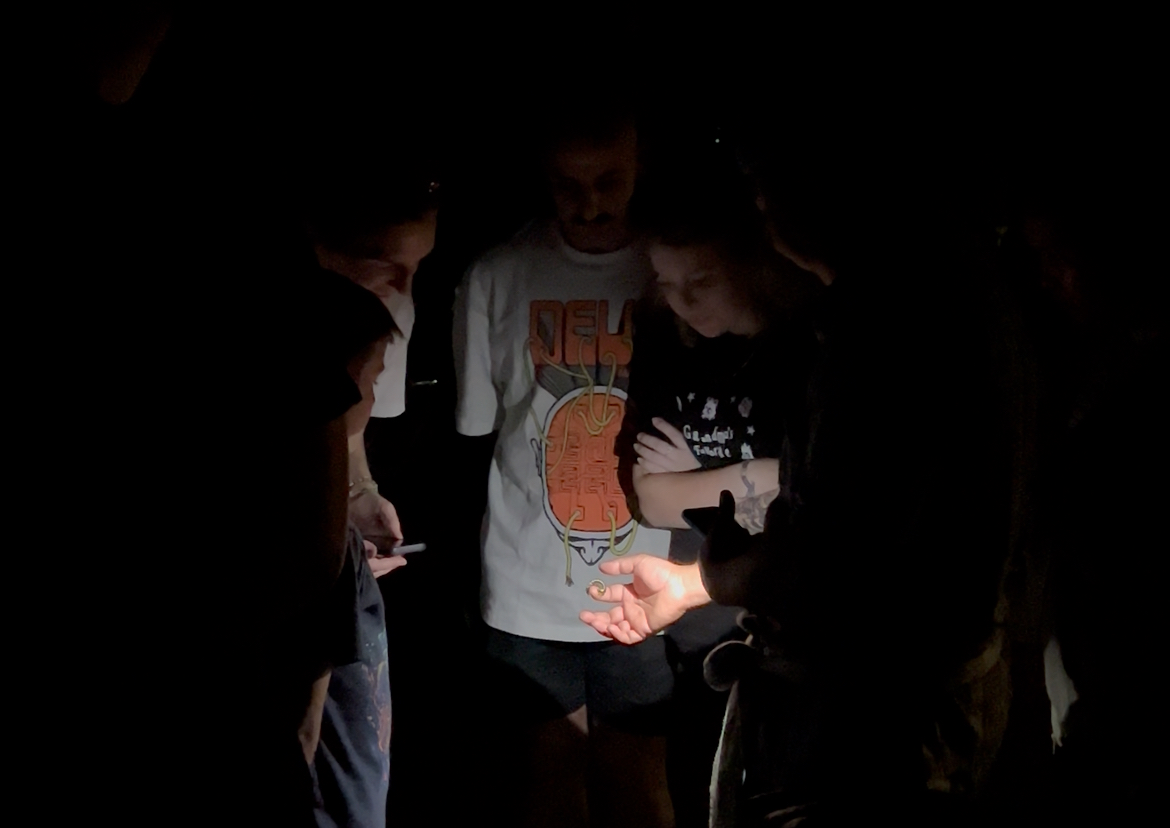
Away from traffic and crowded entertainment areas, the evenings in Ubud’s surrounding villages move at a much slower rhythm. The air becomes quieter, the rice fields darken, and nature becomes more visible.
This is where experiences like The Fireflies Journey by Bring Back The Light Bali offer a different perspective on Bali tourism.
Rather than focusing on fast-paced sightseeing, the experience invites travelers to slow down and reconnect with nature through the presence of fireflies and rural ecosystems. The journey also introduces visitors to the importance of biodiversity conservation and ecological awareness within Bali’s landscape.
More importantly, it creates space for stillness something increasingly rare in modern travel.
By spending time in quieter environments and learning about local conservation efforts, travelers often leave with a deeper appreciation for the relationship between community, nature, and sustainability in Bali.
This is what makes experiences connected to meaningful travel in Bali feel more lasting than typical tourist activities.
Conclusion
Bali can still feel deeply meaningful when experienced more slowly.
Not every journey needs to be packed with destinations, schedules, or constant movement. Sometimes the most memorable experiences come from being fully present in simple moments listening to nature at night, walking through villages, or understanding the rhythms of local life.
Slow travel encourages travelers to move beyond checklist tourism and develop a more genuine relationship with the places they visit.
In a world where travel often feels rushed, choosing a slower and more mindful approach can transform Bali from a destination you visit into a place you truly experience.
Experience a More Meaningful Side of Bali
If you want to experience a quieter and more meaningful side of Bali, consider joining The Fireflies Journey by Bring Back The Light Bali, a conservation-based experience that connects travelers with nature, biodiversity, and the slower rhythm of rural Ubud.