Fireflies in Bali – Have you ever watched hundreds of tiny lights dance across a dark rice field?
For many people, seeing fireflies in Bali feels almost magical. Their gentle glow transforms rivers, wetlands, and rice fields into something that looks like a scene from a storybook. Yet behind this beautiful display lies an important truth—fireflies are much more than glowing insects.
Around the world, firefly populations are declining as natural habitats disappear and artificial lights continue to spread. Scientists and conservationists now see these tiny creatures as important indicators of environmental health. When fireflies disappear, it can signal that something in the ecosystem is changing.
In Bali, where rice fields, wetlands, and local communities have lived in harmony for generations, protecting fireflies also means protecting biodiversity, traditional landscapes, and the delicate balance between people and nature.
Understanding why fireflies are important is the first step toward appreciating why their conservation matters not just for Bali, but for ecosystems around the world.
Click Here for The Fireflies Journey: Ecotourism Night Experience
What Are Fireflies?
Source: Bring Back The Light Team
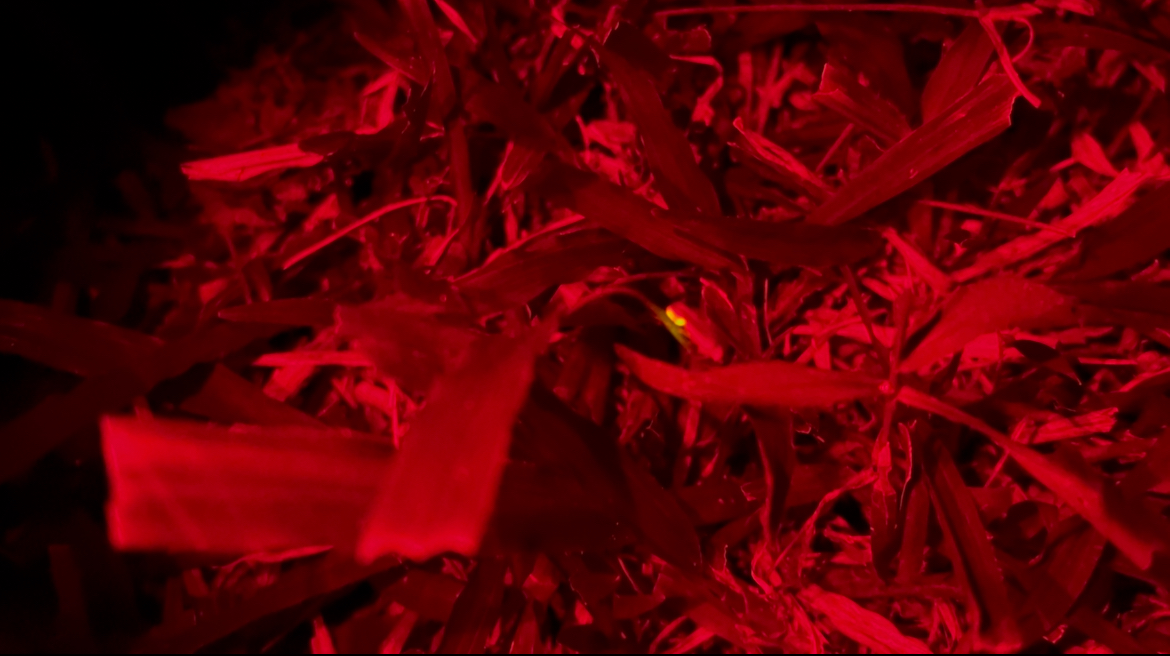
Most people know fireflies for one thing: their magical glow. But there’s much more to these fascinating insects than the light they produce.
Fireflies are actually beetles, belonging to the family Lampyridae. There are more than 2,000 known species around the world, each adapted to different habitats, from forests and wetlands to rice fields and riverbanks.
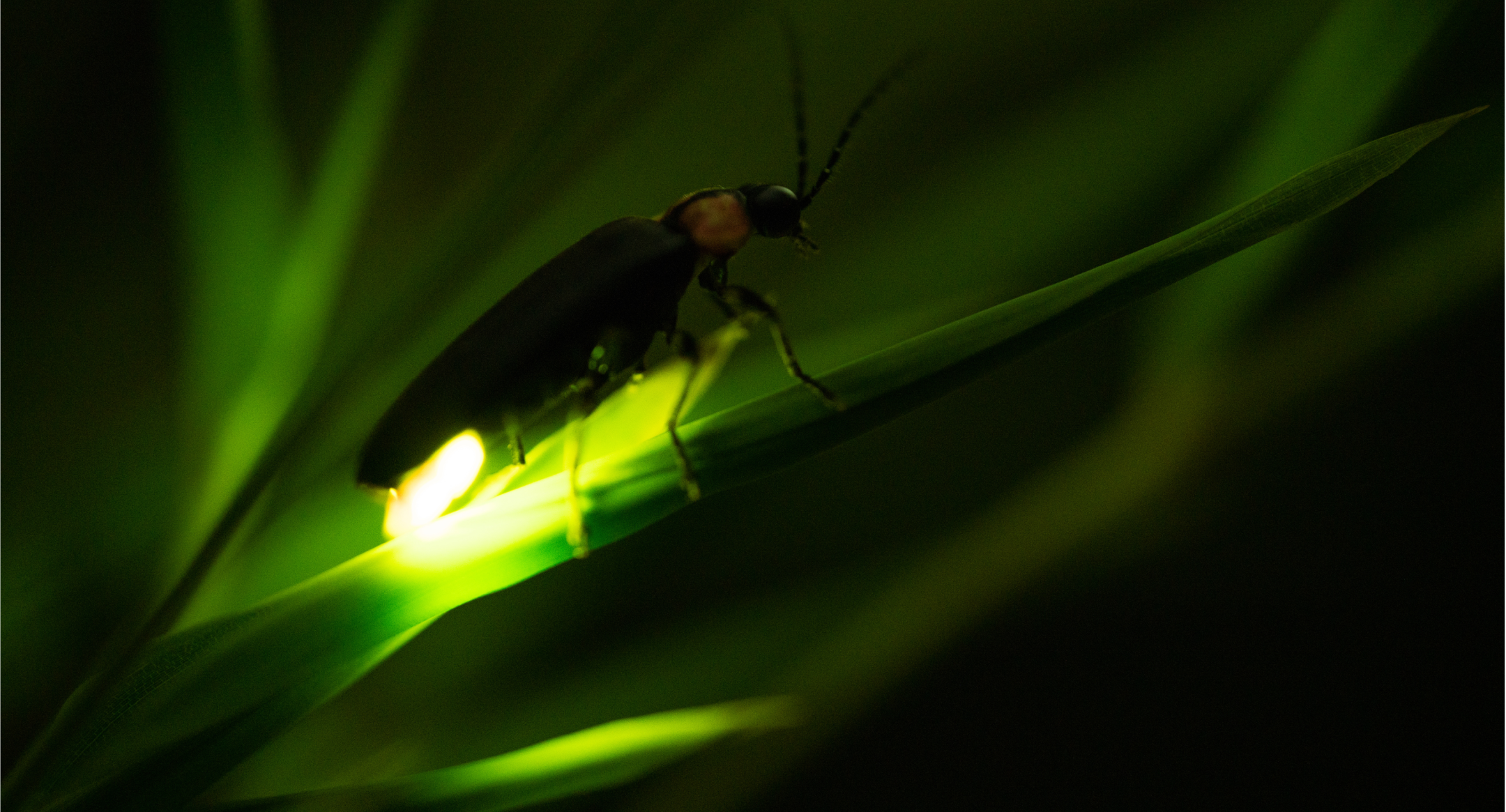
Their most remarkable feature is bioluminescence the natural ability to produce light through a chemical reaction inside their bodies. Unlike a light bulb, this process creates almost no heat, making it one of nature’s most efficient forms of light.
For fireflies, glowing is a form of communication. Different species use unique flashing patterns to attract mates, identify one another, and sometimes even warn predators that they are not an easy meal.
A Life That Begins in the Dark
Long before they light up the night sky, fireflies spend most of their lives hidden beneath leaves, in damp soil, or near freshwater habitats.
The larval stage can last for months or even years depending on the species. During this time, larvae feed on snails, slugs, and other small invertebrates, helping maintain balance within the ecosystem.
Only when they reach adulthood do they emerge for the brief glowing displays that most people associate with fireflies.
Why Fireflies Are Important for Bali’s Ecosystem
Source: Bring Back The Light Team
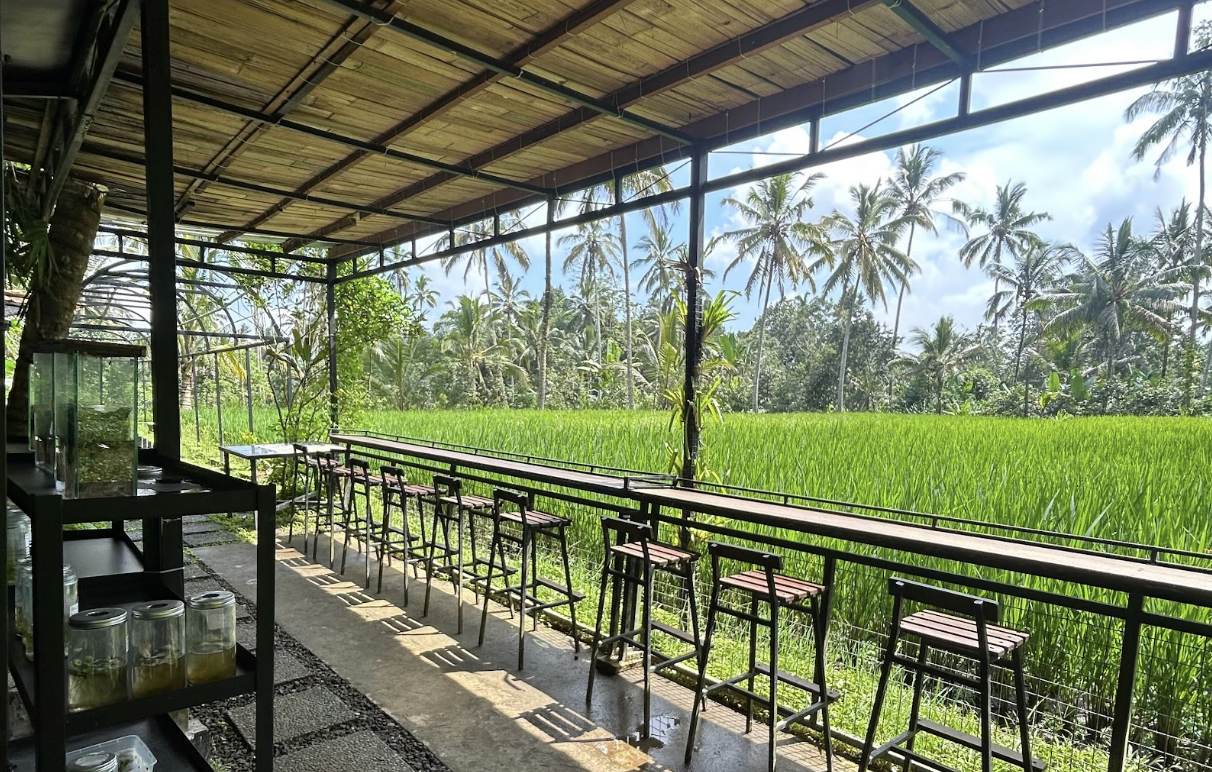
It’s easy to admire the beauty of Fireflies in Bali, but their real importance goes far beyond aesthetics. Fireflies play several important roles in healthy ecosystems, making them valuable indicators of environmental quality.
Fireflies Are Nature’s Environmental Indicators
Scientists often describe fireflies as indicator species. Because they are highly sensitive to changes in their surroundings, their presence or absence can reveal a great deal about the health of an ecosystem.
Fireflies depend on clean water, healthy vegetation, moist soils, and dark nights. If these conditions begin to disappear, firefly populations often decline as well.
In other words, healthy fireflies usually indicate a healthy environment.
Supporting Biodiversity in Bali
The habitats that support fireflies also support many other forms of life.
Rice fields, wetlands, rivers, and forest edges provide homes for frogs, birds, dragonflies, butterflies, fish, and countless insects. Protecting fireflies often means protecting entire ecosystems, making them an important part of Bali biodiversity.
A Small Part of a Much Bigger Food Web
Although they are tiny, fireflies play an important role in the natural food chain.
Their larvae help control populations of snails and slugs, while adult fireflies become food for birds, spiders, reptiles, amphibians, and other wildlife. Every species contributes to the balance of an ecosystem, and fireflies are no exception.
Click Here for Responsible Tourism Bali: Small Choices That Make a Big Difference
Why Fireflies Are Disappearing Around the World
Source: Pexels
If you’ve noticed fewer fireflies than you remember from childhood, you’re not imagining it.
Across many regions of the world, firefly populations are declining. Scientists believe several human-driven factors are contributing to this trend.
Light Pollution
Artificial lights from streets, homes, hotels, and businesses interfere with the flashing signals fireflies use to find mates. When these signals become difficult to see, reproduction becomes more challenging.
Habitat Loss
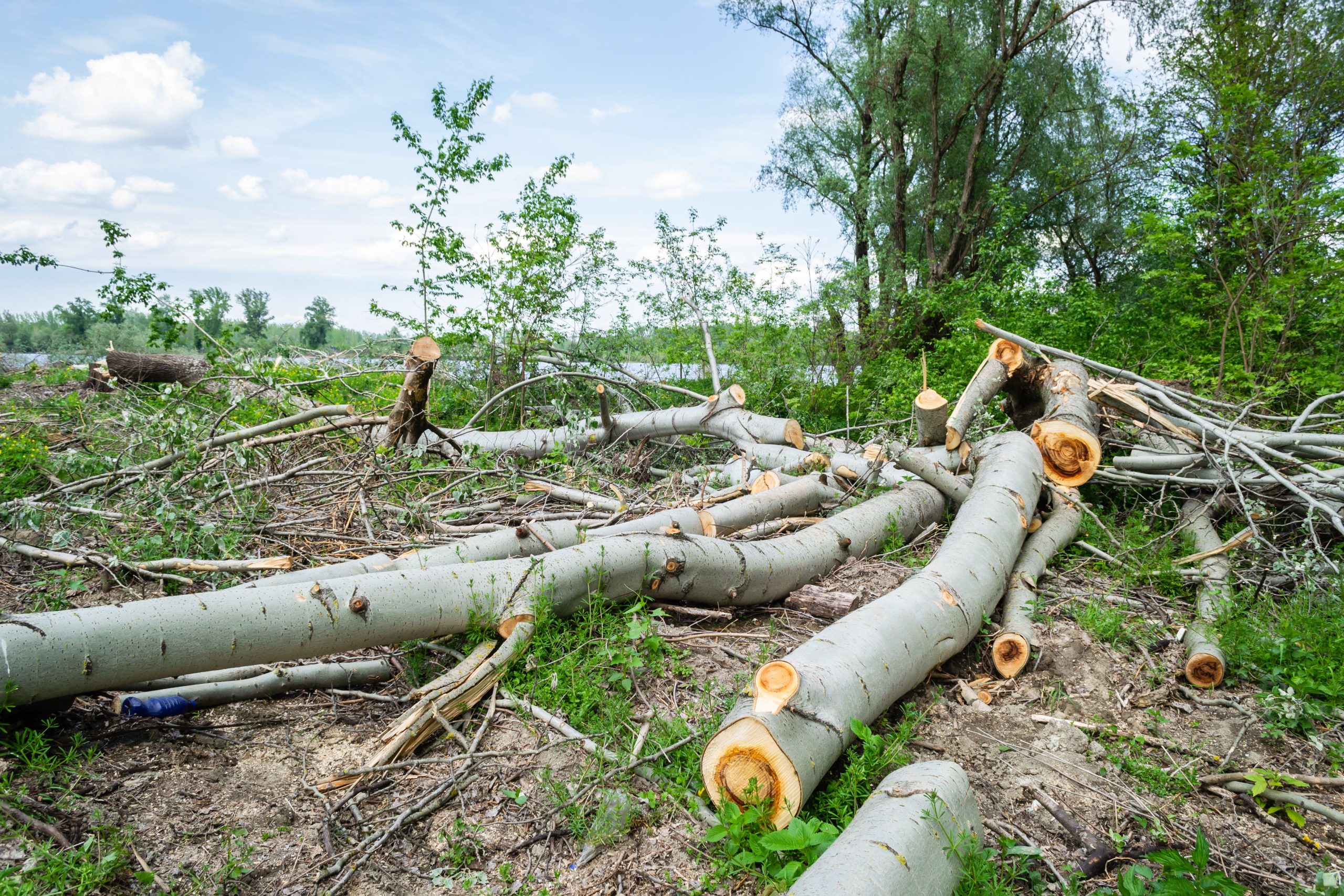
Wetlands, rice fields, forests, and riverbanks are increasingly being converted into roads, buildings, or intensive agricultural land. As these habitats disappear, so do the conditions that fireflies need to survive.
Chemical Pesticides
Many pesticides affect not only crop pests but also beneficial insects. Firefly larvae, which spend much of their lives in soil and moist environments, are especially vulnerable to chemical pollution.
Climate Change
Changes in rainfall patterns, temperature, and seasonal cycles can alter the habitats fireflies rely on. While researchers continue to study these impacts, climate change is expected to place additional pressure on many firefly species.
How Bali Is Protecting Fireflies Through Conservation

Source: Bring Back The Light Team
Despite these challenges, there is reason for optimism.
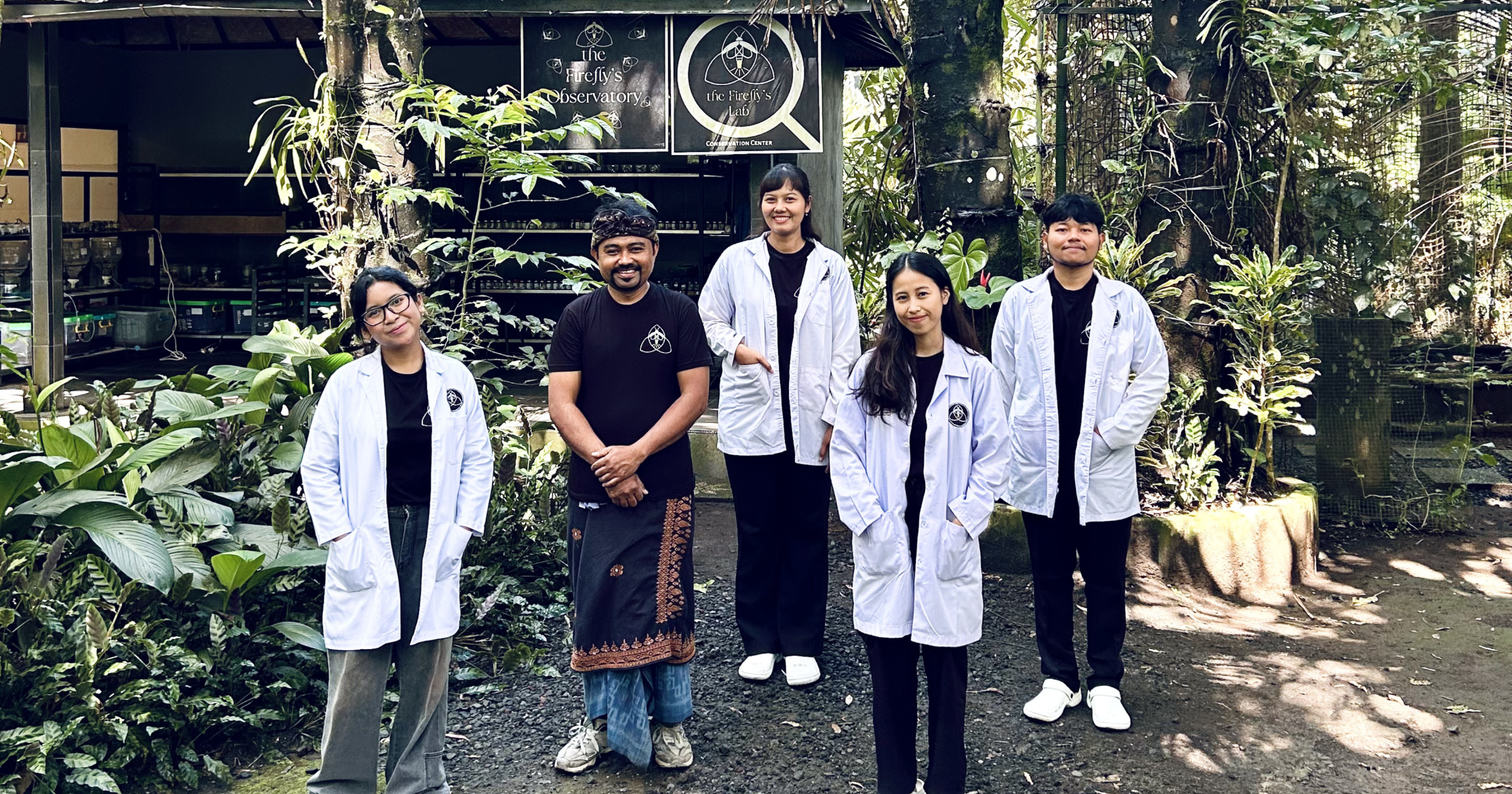
Across Bali, researchers, local communities, conservation organizations, and responsible tourism initiatives are working to better understand and protect firefly habitats.
Conservation is not just about protecting a single species. It is about preserving the wetlands, rice fields, waterways, and natural landscapes that support an incredible diversity of life.
Communities Are Leading the Way
Many conservation efforts begin with local communities.
Farmers, village leaders, educators, and environmental groups all play an important role in maintaining healthy landscapes. Their knowledge of local ecosystems is invaluable for protecting habitats that fireflies depend on.
Tourism Can Support Conservation
Tourism is often viewed as a threat to nature, but it can also become part of the solution.
When visitors choose responsible experiences that respect wildlife and local communities, tourism can help fund conservation, increase environmental awareness, and create incentives to protect natural habitats.
This is one of the principles behind Bring Back The Light Bali. Through education, community engagement, and conservation storytelling, the organization encourages visitors to see fireflies not simply as a beautiful attraction, but as symbols of healthy ecosystems and biodiversity.
Click Here for Hidden Gems in Ubud for Nature Lovers: Eco-Friendly Places Off the Beaten Path
How You Can Help Protect Fireflies in Bali
Source: Bring Back The Light Team
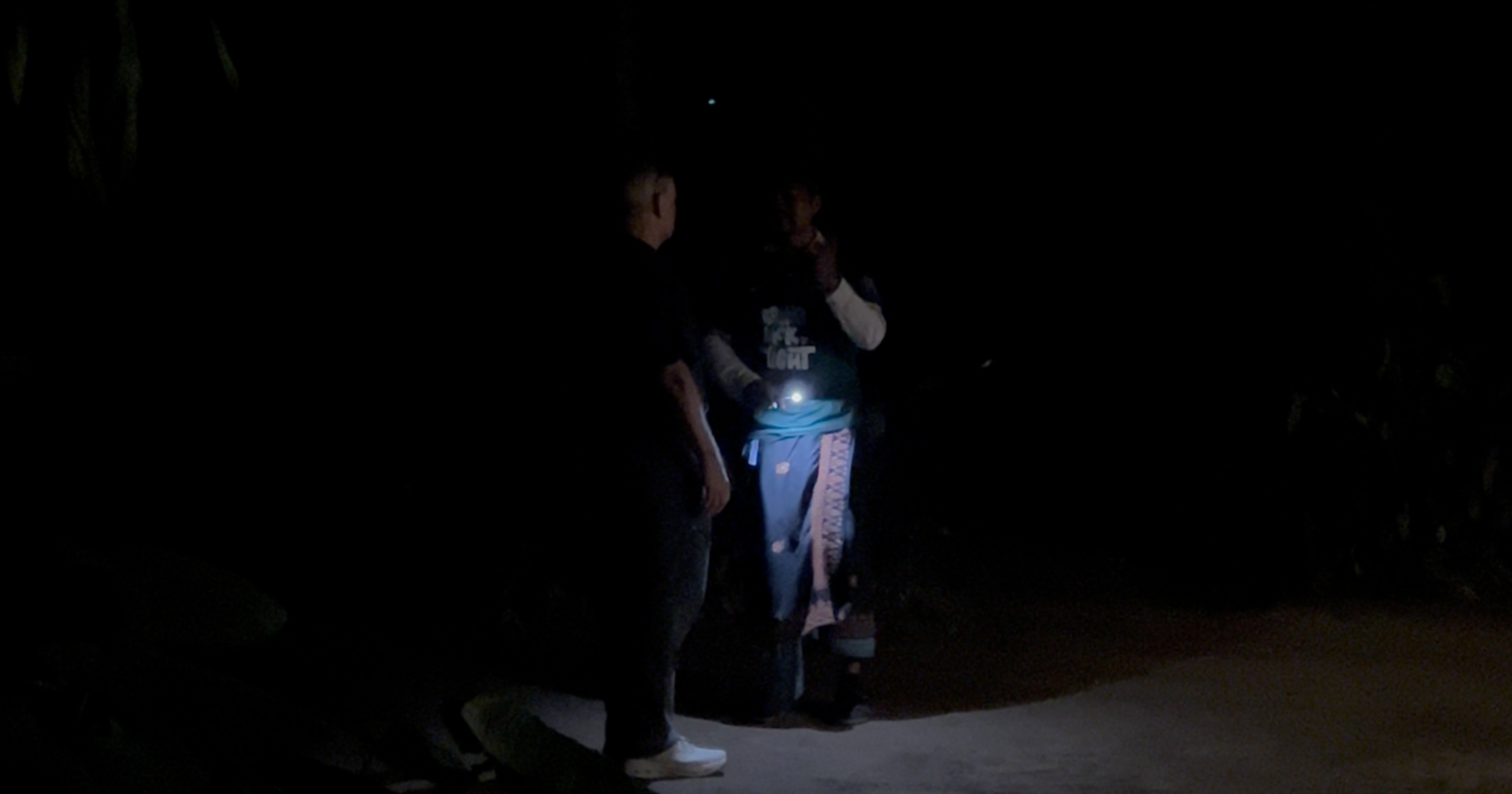
Protecting fireflies doesn’t require scientific expertise. Small actions by visitors can make a meaningful difference.
If you have the opportunity to observe fireflies in Bali, consider these simple guidelines.
Respect the Darkness
Avoid using flashlights or camera flashes whenever possible. Fireflies rely on darkness to communicate with one another.
Stay on Designated Paths
Remaining on established trails helps protect sensitive vegetation and minimizes disturbance to firefly habitats.
Support Responsible Tourism
Choose experiences that prioritize conservation, environmental education, and community involvement rather than entertainment alone.
Reduce Your Environmental Impact
Simple actions, such as reducing plastic waste, respecting wildlife, and leaving no trace—help protect the ecosystems that countless species call home.
Every responsible choice contributes to healthier landscapes.
More Than Tiny Lights in the Night
Source: Pexels
Fireflies remind us that even the smallest creatures can tell important stories about the health of our planet.
Their gentle glow reflects clean water, thriving wetlands, rich biodiversity, and balanced ecosystems. When we protect fireflies, we also protect the habitats that sustain countless other plants and animals including people.
For travelers, seeing fireflies in Bali is more than a beautiful evening experience. It’s an opportunity to better understand the connection between biodiversity, conservation, and local communities.
If you’d like to experience this side of Bali, The Fireflies Journey by Bring Back The Light Bali offers a chance to explore these remarkable ecosystems through guided storytelling, environmental education, and responsible tourism. Every visit helps foster greater awareness of why fireflies matter and why protecting them matters too.
Click Here for The Glow Code: How Fireflies Use Light to Communicate and Survive