
Community-based tourism – When we think about travel, we often think about beautiful places, local food, and new experiences.
But have you ever wondered who benefits from the places we visit?
Behind every destination are people who maintain its culture, traditions, and natural surroundings. Tourism can support their livelihoods, but only when local communities have a fair role in how it develops.
This is the idea behind community-based tourism.
Community-based tourism (CBT) is a way of developing tourism with the active involvement of local people. Residents help plan, manage, and benefit from tourism activities.
Instead of placing all decisions in the hands of outside businesses, this approach gives communities a stronger voice in tourism development.
The ASEAN Community-Based Tourism Standard also highlights community well-being, local livelihoods, cultural heritage, and environmental protection as key principles.
In simple terms, community-based tourism asks one important question:
How can tourism benefit the people and places that make a destination special?
In Bali, this idea is especially important.
The island is known for its temples, beaches, and rice terraces. But its identity also comes from local farmers, village traditions, and generations of knowledge about nature.
Community-based tourism gives visitors a chance to discover this side of Bali.
It is not just about visiting a village. It is about learning from the people who live there and supporting the places they call home.
How Is Community-Based Tourism Different From Conventional Tourism?
Source: Bring Back The Light Team
Tourism creates jobs, supports businesses, and brings visitors to new destinations.
However, its benefits are not always shared equally.
In conventional tourism, experiences are often designed around visitor demand. Decisions and profits may be concentrated among large businesses or outside investors.
Local residents may work in tourism without having much influence over how it develops.
Community-based tourism takes a different approach. It gives local people a more active role and aims to create benefits that stay within the community.
Here are five important differences.
1. Visitor Experience
Conventional tourism: Activities often focus on popular attractions and standard travel packages.
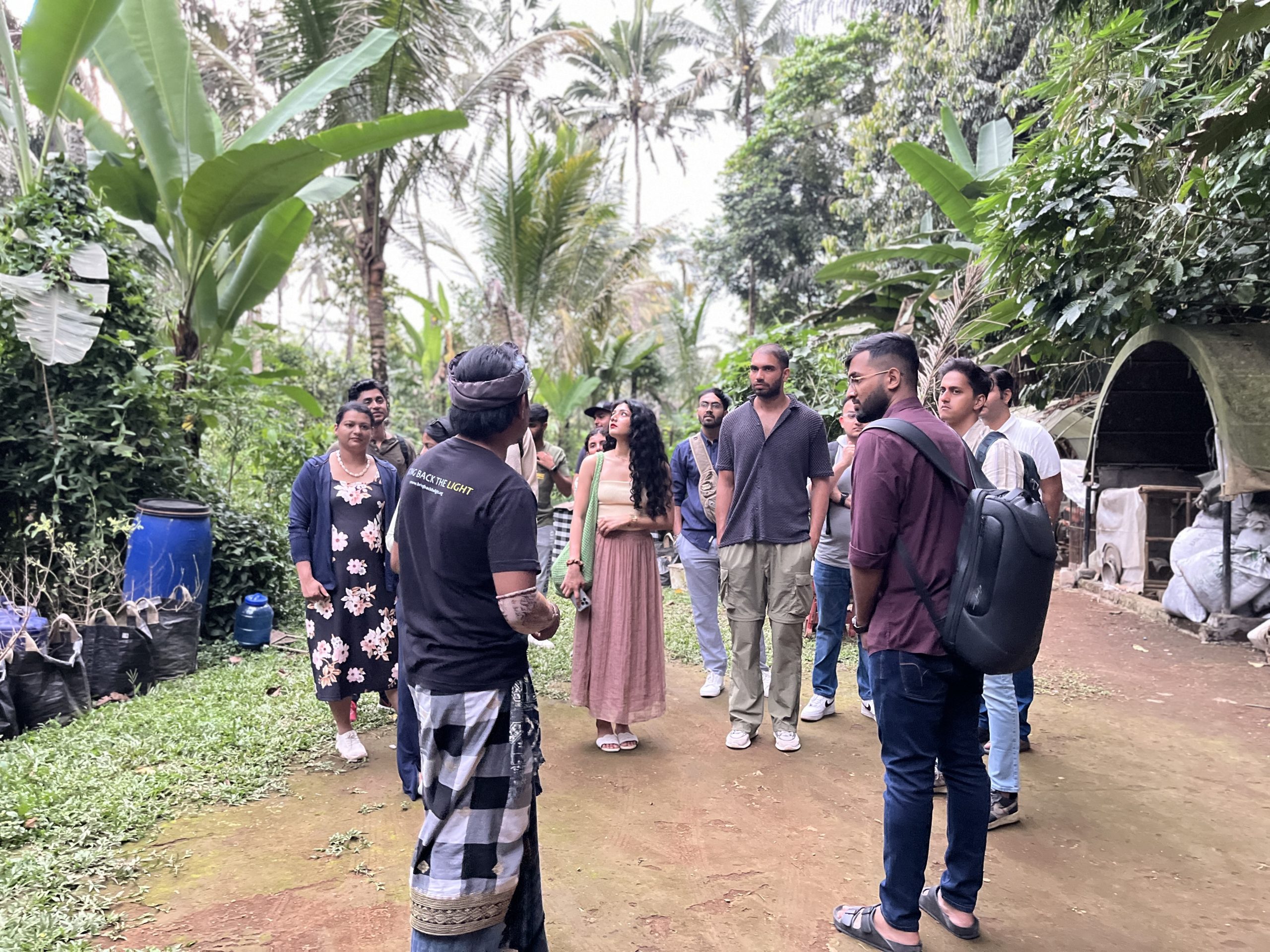
Community-based tourism: Visitors learn about local life through experiences such as farming, traditional cooking, and village walks.
The focus is not only on what visitors see, but also on what they learn.
2. Local Participation
Conventional tourism: Local people may work as staff or service providers, while major decisions are made by outside operators.
Community-based tourism: Residents take part in planning, managing, and hosting tourism activities.
Their knowledge and ideas help shape the experience.
3. Economic Benefits
Conventional tourism: A large share of tourism revenue may go to external businesses.
Community-based tourism: More opportunities are created for local farmers, guides, artisans, families, and small businesses.
The goal is to support local livelihoods and create fair economic opportunities.
4. Cultural Connection
Conventional tourism: Cultural activities may be presented mainly as entertainment for visitors.
Community-based tourism: Visitors learn about local traditions, values, and everyday life directly from the people who maintain them.
Culture becomes something to understand and respect, not simply something to photograph.
5. Environmental Responsibility
Conventional tourism: Environmental protection may be treated as a separate activity.
Community-based tourism: Nature is recognized as an important part of local life and livelihoods.
Protecting water, soil, forests, and wildlife becomes part of responsible tourism development.
Of course, not every conventional tourism business is harmful. Likewise, not every community tourism initiative is automatically sustainable.
What matters is how tourism is managed, who benefits, and whether local people have a voice in the process.
Why Community Matters in Bali Tourism
Source: Bring Back The Light Team
Bali is famous for its beaches, temples, and beautiful rice terraces.
But there is more to the island than its popular attractions.
Behind these landscapes are communities that farm the land, maintain traditions, and care for their surroundings.
Take Bali’s rice fields, for example.
They are not just beautiful places for photographs. They are working agricultural areas that support local livelihoods.
Farmers manage the land, grow food, and maintain irrigation systems that have been passed down through generations.
One important example is the traditional Subak irrigation system.
Recognized by UNESCO as a World Heritage property in 2012, Subak reflects the relationship between water management, agriculture, and community cooperation.
When visitors see rice terraces only as tourist attractions, they may miss the people and knowledge behind them.
This is why community participation matters in Bali tourism.
As tourism grows, local residents need opportunities to take part in decisions that affect their homes, livelihoods, and environment.
Tourism should not simply use a village as a destination. It should also create opportunities for the people who live there.
Initiatives such as Jaringan Ekowisata Desa (JED) show how village communities in Bali can develop tourism around local culture, livelihoods, and nature.
These initiatives offer a different way to experience the island.
They remind us that Bali is not only a place to visit. It is also a home where people live, work, and care for their environment.
How Community-Based Tourism Can Benefit Local Areas
Community-based tourism can bring benefits beyond visitor spending.
When local people take an active role, tourism can support livelihoods, develop new skills, and encourage environmental protection.
Here are four important benefits.
Supporting Local Income
Tourism can create additional income for local families and small businesses.
For example, farmers can share their knowledge with visitors. Local families can prepare traditional meals, while artisans can introduce their crafts.
These activities create opportunities for more tourism spending to reach the local economy.
They can also help communities develop income sources beyond traditional livelihoods.
However, fair payment and local participation are essential. Simply hiring local workers does not automatically make a tourism business community-based.
Developing Local Skills
Tourism can help residents develop useful skills.
These may include:
Guiding and storytelling.
Hospitality and guest communication.
Language skills.
Small business management.
Environmental education.
These skills can help local people take on new opportunities and become more involved in tourism development.
Encouraging Cultural Exchange
Travel becomes more interesting when visitors connect with local people.
A conversation with a farmer, a traditional cooking session, or a village walk can offer a deeper understanding of Balinese culture.
These experiences allow visitors to learn directly from local knowledge.
They also give residents an opportunity to share their traditions and everyday lives.
Cultural exchange should always be respectful. Local traditions should not become performances created only to entertain tourists.
Raising Environmental Awareness
Many communities depend on healthy natural environments.
Farmers need good soil and clean water. Fishing communities depend on healthy marine ecosystems. Rural villages rely on surrounding forests, rivers, and agricultural land.
Community-based tourism can help visitors understand these connections.
For example, nature experiences can introduce visitors to local wildlife, regenerative farming, and habitat conservation.
This makes environmental education part of the travel experience.
Tourism can then support both local livelihoods and the protection of nature.
What Does Responsible Community Tourism Look Like?
Each village has its own culture, environment, and local priorities. This means responsible tourism can take many forms.
Here are some examples of what it can look like in Bali.
Learning From Local Farmers
Instead of viewing rice fields only as beautiful scenery, visitors can learn how farmers work and care for the land.
They may discover traditional farming knowledge, irrigation systems, and regenerative farming practices.
This helps visitors understand the connection between food production and environmental health.
Experiencing Local Food
Food is one of the easiest ways to discover a culture.
Visitors can learn how traditional dishes are prepared, explore local ingredients, and understand the stories behind Balinese cuisine.
When local families prepare and share these meals, the experience can also support their livelihoods.
Exploring Nature With Local Guides
A nature walk can become more interesting when visitors learn about the environment.
Local guides can introduce native plants, wildlife, and the relationship between agriculture and biodiversity.
This is an important part of ecotourism Bali.
Responsible nature experiences should also avoid disturbing wildlife and damaging natural habitats.
Learning About Conservation
Some tourism experiences introduce visitors to environmental activities and conservation efforts.
These may include learning about biodiversity, habitat restoration, waste management, and sustainable farming.
Visitors do not always need to take part in physical conservation work.
Sometimes, understanding why an ecosystem needs protection is already an important first step.
Supporting Community-Led Initiatives
Travelers can also support experiences developed with local communities.
Before booking, consider a few questions:
Are local people involved in the experience?
Who benefits from the income?
Does the activity respect local culture?
Does it support environmental protection?
These questions can help visitors make better travel choices.
The goal is simple: tourism should create value for both visitors and the communities they visit.
The Role of Visitors: How Travelers Can Make a Difference
Source: Bring Back The Light Team
Responsible tourism is not only the responsibility of businesses and local communities.
Visitors also have an important role to play.
Every travel decision can influence how tourism develops. From choosing an activity to deciding where to eat, small choices can make a difference.
Here are five ways to travel more responsibly.
Be Curious About Local People
Do not focus only on the attractions.
Take time to learn about the people behind them. Ask questions, listen to their stories, and understand their daily lives.
A conversation with a local farmer can sometimes teach you more about Bali than a quick photo stop.
Choose Locally Involved Experiences
Look for activities that involve local guides, farmers, artisans, and families.
Choose experiences where residents have an active role in hosting and managing tourism activities.
This helps create more opportunities for local communities.
Respect Local Culture
Bali has traditions and customs that remain part of everyday life.
Visitors should respect temple rules, dress appropriately when required, and ask permission before photographing local residents.
A little cultural awareness can make interactions more respectful.
Protect Nature and Wildlife
Simple actions can help reduce your impact.
Avoid littering, reduce single-use plastics, and stay on designated paths.
When exploring natural habitats, avoid touching or disturbing wildlife.
For firefly watching, avoid artificial lights, flash photography, and unnecessary noise.
Think Beyond the Tourist Experience
A destination is more than a place created for visitors.
It is someone’s home.
Respect local spaces, understand community boundaries, and remember that your actions can affect the people and environment around you.
Responsible travel starts with this simple awareness.
Community and Conservation Through The Fireflies Journey
In Taro Village, Tegallalang, Ubud, the connection between people, agriculture, and nature is an important part of everyday life.
This is where Bring Back The Light (Rumah Konservasi Kunang-Kunang) works to connect firefly conservation with community participation, environmental education, and local livelihoods.
The idea is simple: protecting fireflies also means protecting the habitats where they live.
Fireflies need suitable environments to complete their life cycles.
However, habitat loss, pesticide use, and artificial light at night can threaten their survival.
This is why firefly conservation needs more than scientific research. It also needs the involvement of people who live and work around their habitats.
At Bring Back The Light, this approach focuses on three important areas.
Working With Farmers to Support Nature
Farmers play an important role in maintaining agricultural landscapes.
The way land is managed can affect soil health, water quality, and local biodiversity.
Bring Back The Light works with local farmers to encourage regenerative farming systems that support healthier environments.
So far, 35 farmers have adopted regenerative farming systems through this initiative.
This shows how conservation can become part of everyday agricultural practices.
Rather than seeing farmers as people who simply live near firefly habitats, BBTL recognizes them as important partners in conservation.
Connecting Science With Environmental Education
Understanding fireflies starts with learning about their life cycles and habitats.
Through educational activities, visitors can discover how fireflies develop and why healthy ecosystems matter to their survival.
Bring Back The Light also collaborates with research partners, including Indonesia’s National Research and Innovation Agency (BRIN), on research into firefly diversity and conservation in Taro Village.
These activities connect scientific knowledge with local environmental awareness.
They also make conservation easier to understand and appreciate.
Experiencing Community and Conservation Through The Fireflies Journey
Visitors can discover this connection through The Fireflies Journey, an evening nature and educational experience by Bring Back The Light.
The journey begins at 5:00 PM and introduces visitors to the world of fireflies through learning, local interaction, and nature exploration.
The experience includes:
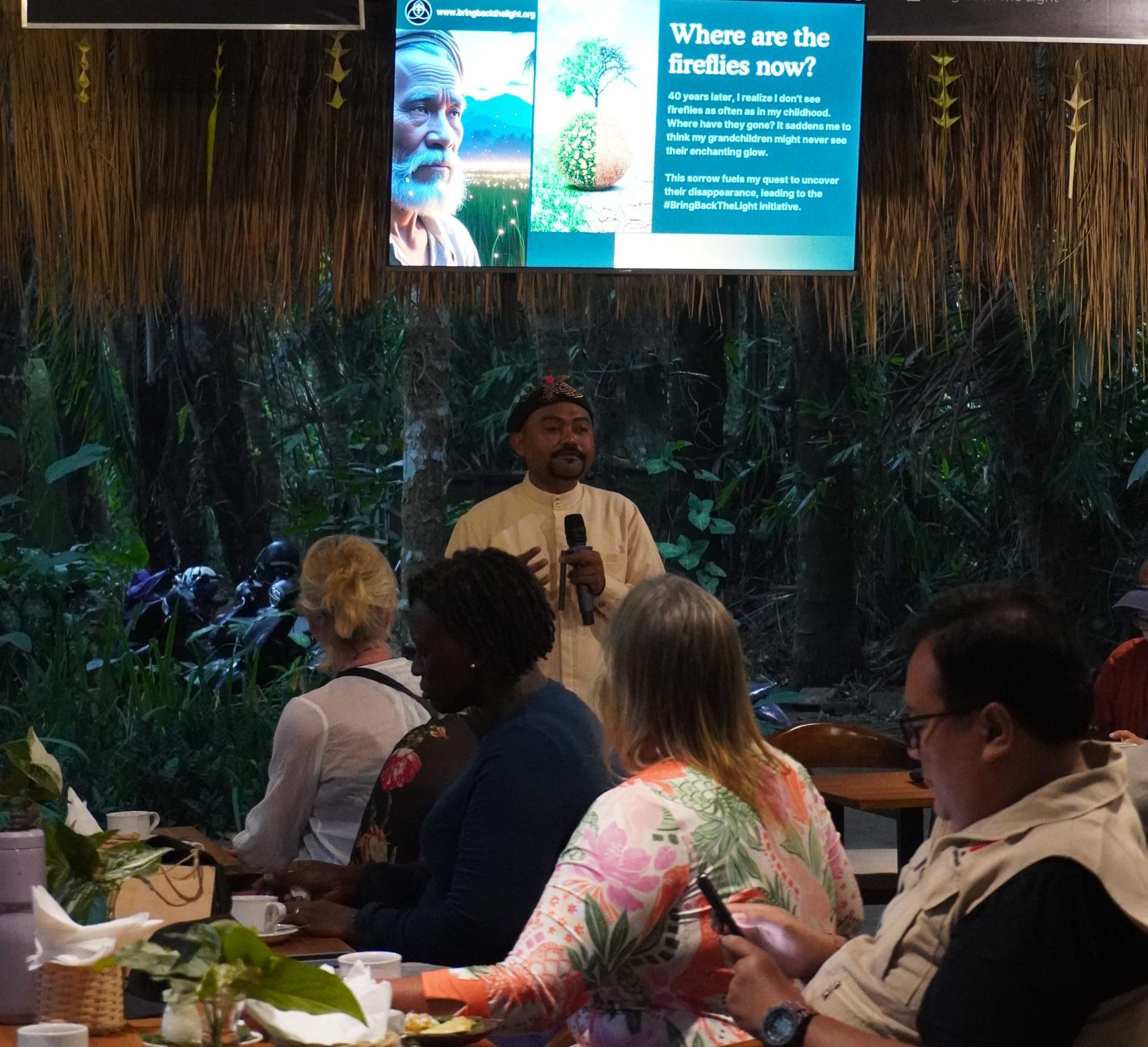
5:00 PM – Introduction to Firefly Conservation
Meet the host and learn about fireflies, their life cycles, and their natural habitats.
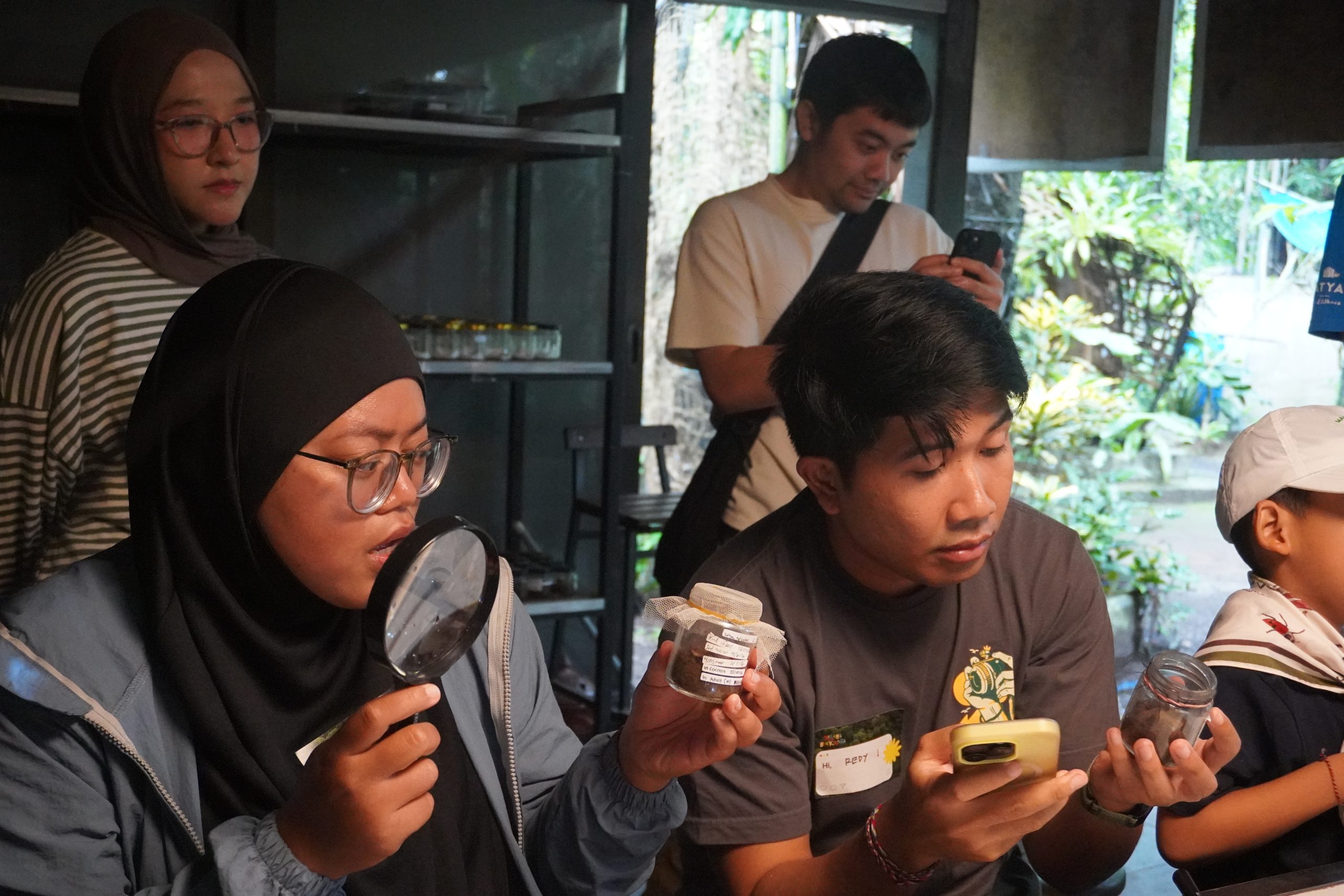
5:30 PM – Firefly Laboratory
Discover the different stages of firefly development and learn about their biology.
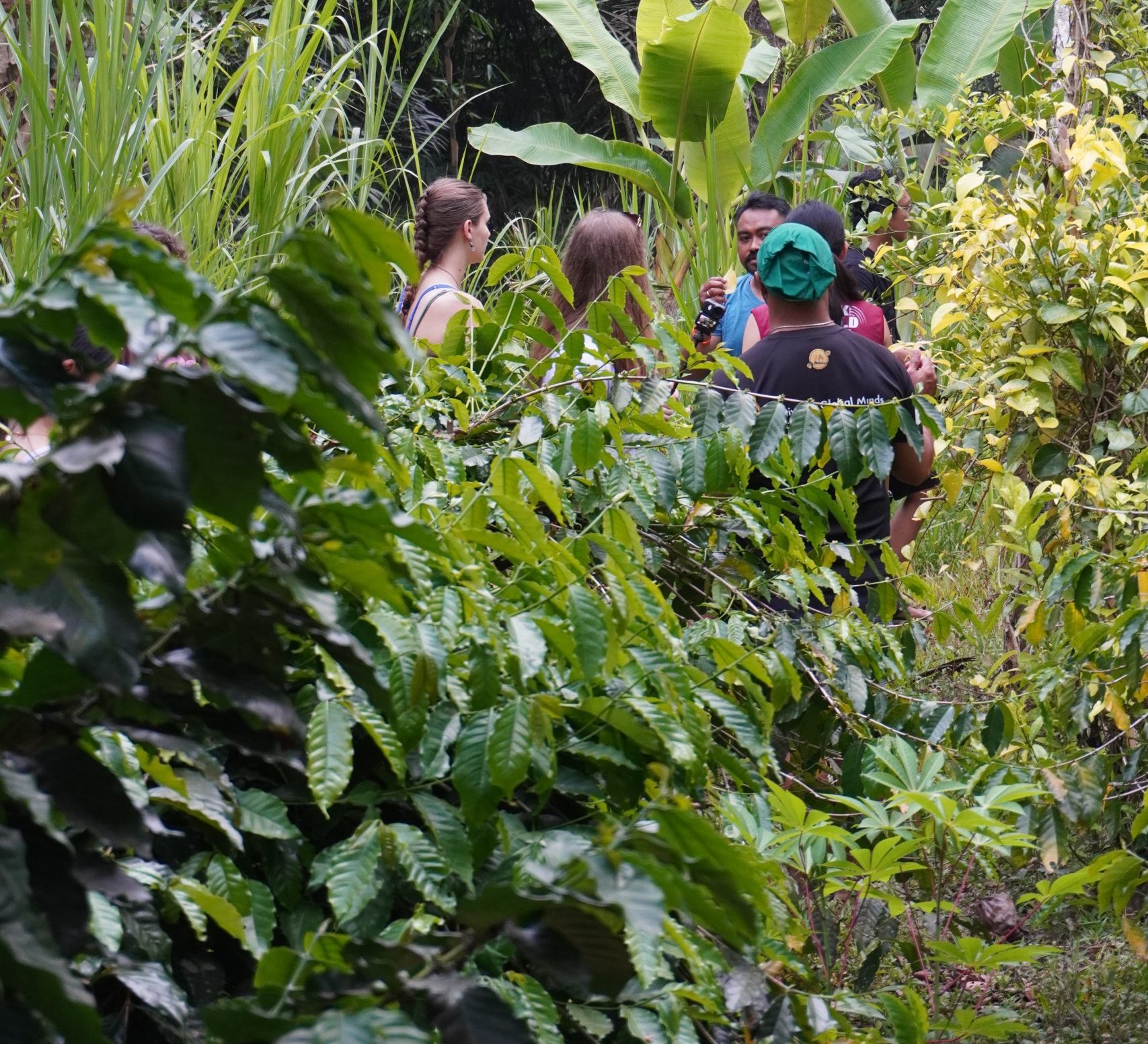
6:00 PM – Habitat Exploration
Explore the surrounding agricultural landscape and learn how local farmers help maintain firefly habitats.
6:30 PM – Traditional Cooking and Dinner
Enjoy a short cooking activity and discover traditional Balinese food and hospitality.
7:15 PM – Firefly Observation
Observe fireflies in the laboratory and their natural habitat while learning about their behaviour.
On certain occasions, visitors may also have the opportunity to participate in a newborn-firefly release.
This activity depends on the availability of newborn fireflies and is not guaranteed for every visit.
The Fireflies Journey is more than an opportunity to see fireflies after dark.
It helps visitors understand how biodiversity, farming practices, scientific research, and local communities are connected.
Through this experience, Bring Back The Light invites travelers to discover another side of Bali.
A place where nature is not just something to admire, but something worth understanding and protecting.
How Travelers Can Support Local Communities in Bali
Supporting local communities does not always require joining a conservation program or booking a special village experience.
It can start with simple choices during your holiday.
Here are seven ways to support local communities when visiting Bali.
1. Choose Local Experiences
Book activities that involve local guides, farmers, artisans, and community organizations.
2. Eat Local Food
Visit family-run restaurants and try traditional Balinese dishes. Support local food producers whenever possible.
3. Learn About Local Culture
Take time to understand Balinese customs, traditions, and everyday life before visiting villages and temples.
4. Respect Nature
Avoid littering, disturbing wildlife, or damaging natural habitats. Choose experiences that prioritize environmental protection.
5. Support Small Businesses
Buy products from local artisans and small businesses instead of relying only on large commercial stores.
6. Share Travel Stories Responsibly
Ask permission before photographing local people. Be mindful when sharing images of cultural spaces and sensitive wildlife habitats.
7. Keep an Open Mind
Not every memorable experience needs to be luxurious or expensive.
Sometimes, the best travel memories come from a conversation with a farmer, learning a traditional recipe, or walking through a village with a local guide.
These small choices can help make tourism more beneficial for the people and places that welcome visitors.
Conclusion: A More Meaningful Way to Experience Bali 
Source: Bring Back The Light Team
Bali offers many ways to explore its landscapes, culture, and traditions.
But beyond its popular attractions, there is another side of the island worth discovering.
It is found in the people who care for the land, the farmers who maintain agricultural traditions, and the communities that protect their natural surroundings.
Community-based tourism offers a different way to experience Bali.
It encourages travelers to learn from local people, support local livelihoods, and understand the importance of protecting nature.
Tourism should not only create better experiences for visitors. It should also support the people and environments that make each destination special.
At Bring Back The Light, we believe conservation begins with understanding.
Through community participation, environmental education, and experiences such as The Fireflies Journey, we connect visitors with the relationship between people, nature, and conservation.
Because a meaningful journey is not only about where you go.
It is also about what you learn, what you respect, and what you help protect.
Discover a different side of Bali through an experience that connects nature, people, and learning.
Explore The Fireflies Journey with Bring Back The Light in Taro Village, Tegallalang, Ubud.