Why Fireflies are Important – When people think about fireflies, they often picture tiny lights glowing above rice fields, forests, or gardens at night. Their soft flashes can make a landscape feel almost magical.
But why fireflies are important goes far beyond their beauty.
Fireflies are part of complex ecosystems. They depend on suitable habitats, vegetation, moisture, food sources, and nighttime conditions to complete their life cycles.
Understanding the importance of fireflies can therefore help us understand a much bigger question: why protecting natural habitats and biodiversity matters.
For travelers, nature enthusiasts, students, and eco-conscious visitors, learning about fireflies is also an opportunity to look more closely at the natural world around us.
Why Fireflies Are Important: What Are Fireflies?
Source: Bring Back The Light Team
Fireflies are beetles belonging to the family Lampyridae. They are best known for their ability to produce light through a biological process called bioluminescence.
This light is produced through a chemical reaction involving compounds such as luciferin and luciferase. Different firefly species use light in different ways, but flashing is commonly associated with communication, particularly during courtship.
Fireflies also have a fascinating life cycle.
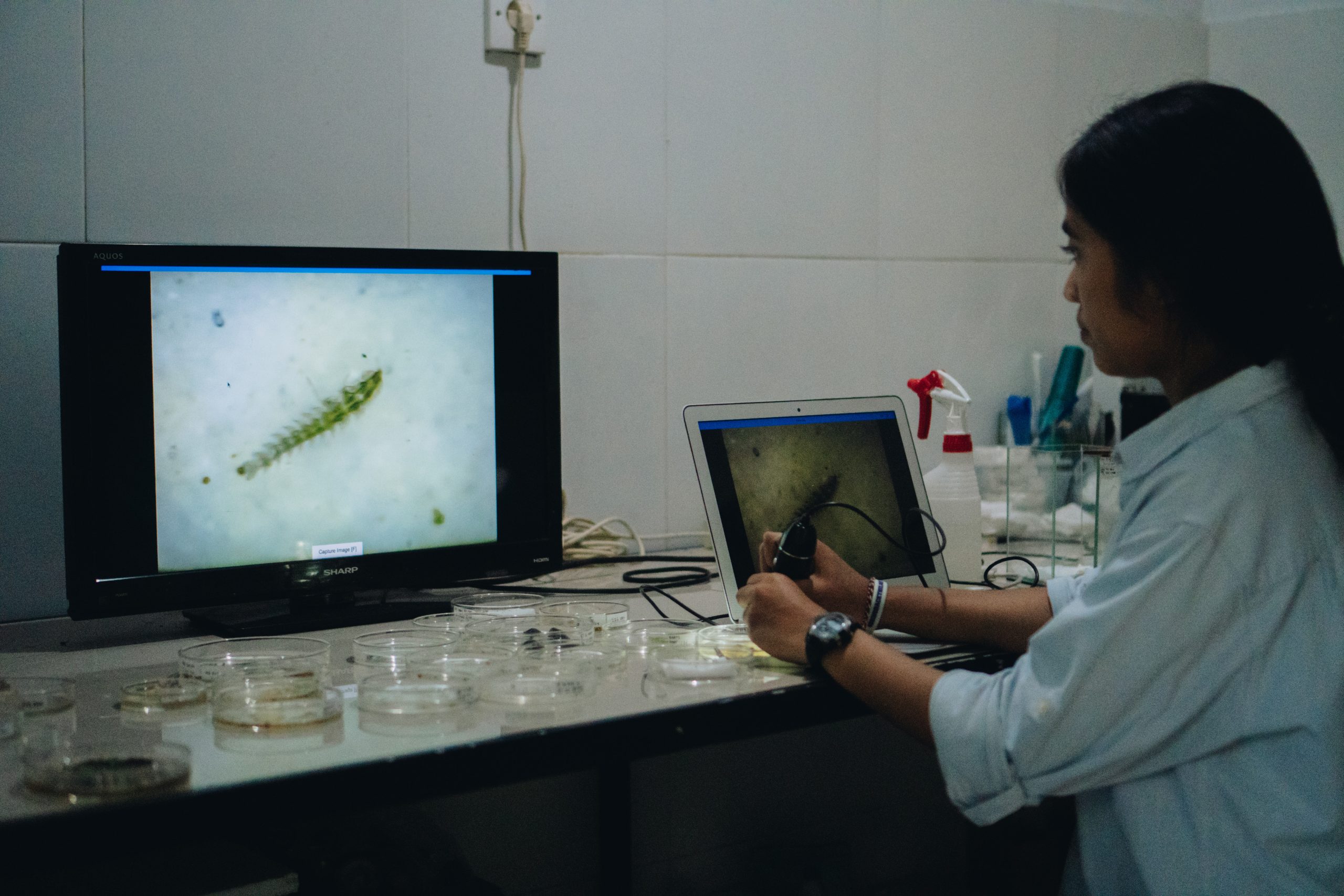
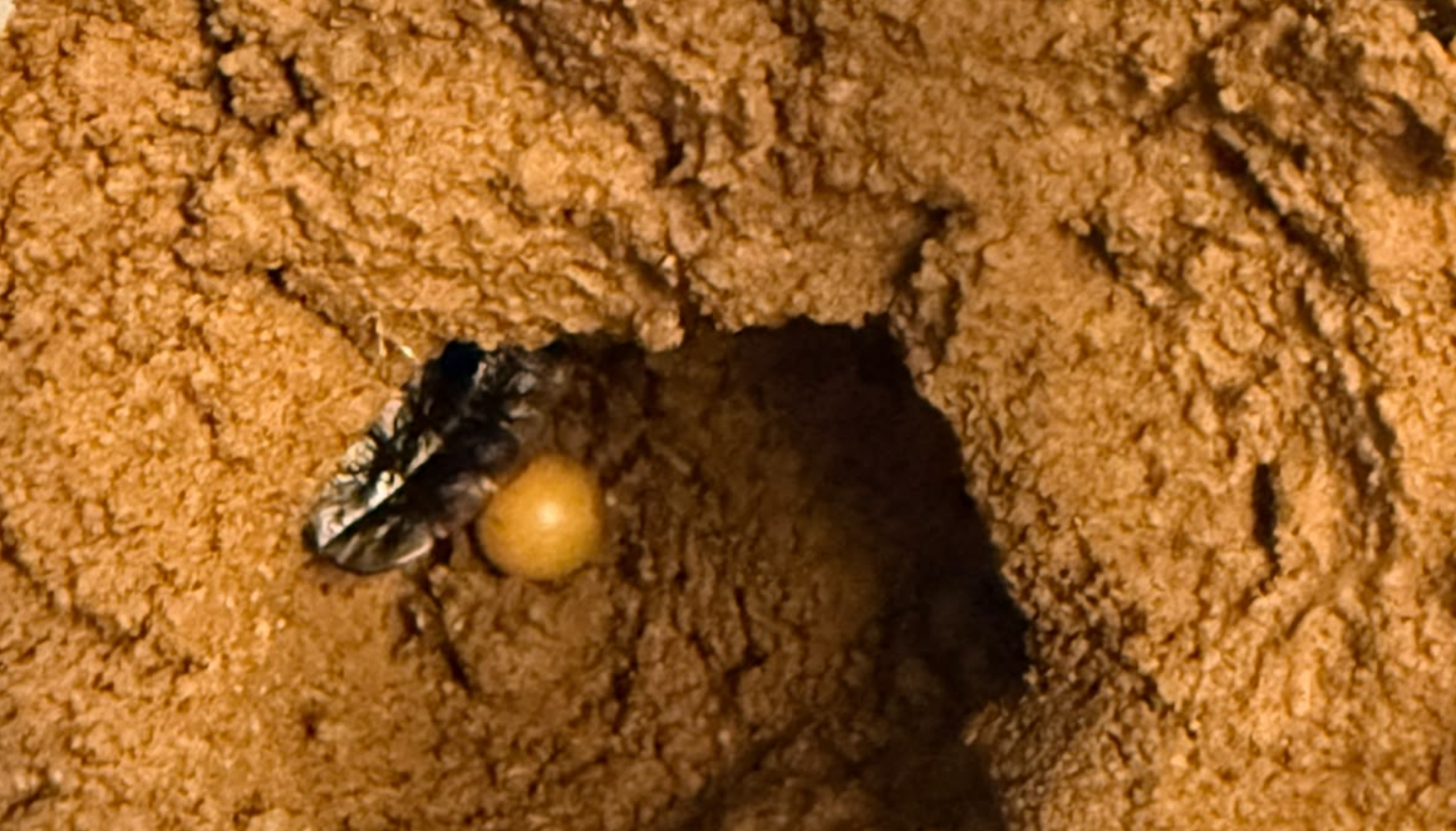
Depending on the species, their larvae may live in soil, leaf litter, wetlands, streams, or other moist environments. Some species spend much more of their lives as larvae than as adults.
This is an important part of understanding why fireflies are important. Seeing adult fireflies flashing at night represents only one stage of their life.
Firefly Life Cycles and Their Habitats
To understand the importance of fireflies, it helps to look beyond their nighttime flashes.
Fireflies go through several stages of development, including egg, larva, pupa, and adult. Their specific habitat requirements vary between species.
In some species, larvae live in moist soil or leaf litter and feed on small organisms. Later, adults emerge and use their characteristic light signals to communicate.
This means that a place where people see fireflies at night needs to provide more than darkness. It needs to offer suitable conditions throughout different stages of their development.
Why Fireflies Are Important to Nature
Source: Bring Back The Light Team
One reason why fireflies are important is their place within the wider ecosystem.
Fireflies interact with other organisms as predators, prey, and competitors. Their life cycles connect them to soil, vegetation, water, and other small organisms.
Fireflies and Food Webs
Fireflies are part of food webs.
Depending on the species and life stage, firefly larvae may feed on small organisms such as snails, slugs, worms, and other soft-bodied invertebrates. Fireflies themselves can also become food for other animals.
These relationships may seem small, but they contribute to the complex network of interactions within an ecosystem.
This is another reason why fireflies are important: they are not isolated from their environment. They are part of a much larger ecological system.
Fireflies and Natural Habitats
Fireflies depend on suitable environmental conditions.
Their habitats may include rice fields, wetlands, forest edges, streams, grasslands, and other areas with appropriate vegetation and moisture. The exact requirements vary between species.
This connection helps explain the importance of fireflies when we talk about habitat conservation.
Protecting fireflies is not simply about protecting individual insects. It means protecting the environments that allow them to survive, reproduce, and complete their life cycles.
Fireflies and Biodiversity
Biodiversity includes all forms of life within an ecosystem, from plants and microorganisms to insects, birds, amphibians, and larger animals.
Fireflies are one small part of this diversity.
When we ask why fireflies are important, we are also asking why small organisms deserve attention in conservation.
Not every important species is large, rare, or immediately visible. Sometimes, understanding biodiversity begins with noticing the smallest organisms around us.
Why Fireflies Are Important: What Does Their Presence Tell Us?
Source: Bring Back The Light Team
The presence of fireflies can provide useful clues about the conditions of a particular habitat.
Depending on the species, fireflies may be associated with environments that provide suitable vegetation, adequate moisture, appropriate soil or aquatic conditions, food sources, and relatively low levels of disturbance.
This helps explain why fireflies are important in conversations about environmental change.
However, fireflies should not be treated as a universal scientific test of ecosystem health. Their presence or absence can be influenced by many factors, and different species have different habitat requirements.
Instead, fireflies can be viewed as one part of a much larger ecological picture.
Vegetation and Firefly Habitat
Vegetation can provide shelter, food resources, and suitable microhabitats for many organisms, including fireflies.
Natural vegetation around streams, rice fields, gardens, and other landscapes can contribute to habitat complexity.
When we think about the importance of fireflies, we can also ask what plants, soil conditions, and other organisms are supporting them.
Moisture and Water
Moisture can be particularly important for firefly species whose larvae live in damp soil, leaf litter, wetlands, or areas near water.
Changes in drainage, water quality, or surrounding vegetation can alter these conditions.
Protecting water and moisture-rich environments is therefore another part of understanding the importance of fireflies for broader habitat conservation.
Darkness at Night
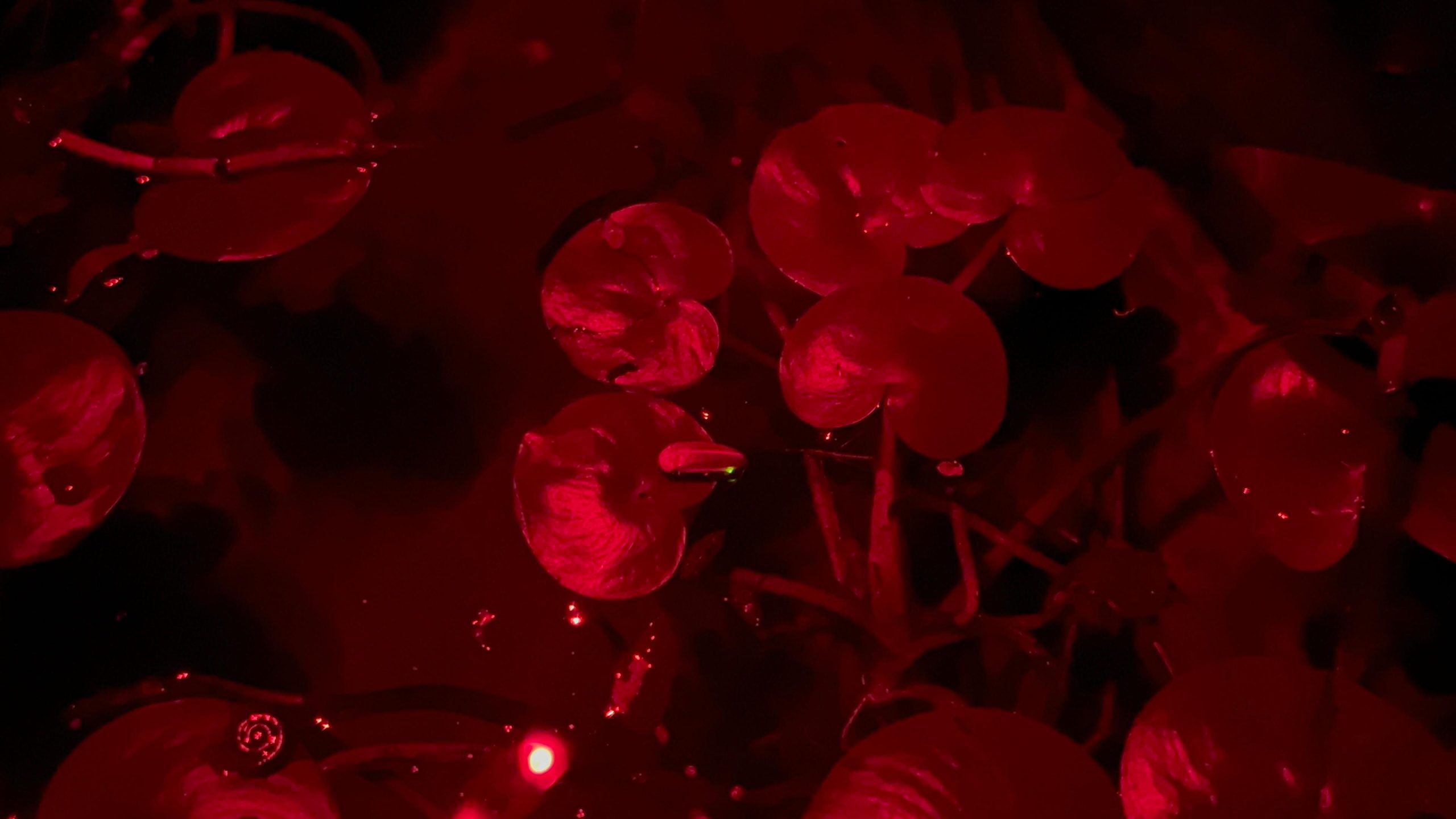
Darkness is an important part of many firefly habitats.
Fireflies use light signals to communicate, and excessive artificial light at night can interfere with these signals and alter their behavior.
This is one reason why fireflies are important when discussing light pollution and responsible nighttime tourism.
A darker night is not simply more beautiful for humans. It can also provide a more suitable environment for nocturnal wildlife.
Why Fireflies Are Important: What Threatens Them?
Understanding why fireflies are important also means understanding the environmental pressures that can affect them.
Common concerns include habitat loss, artificial light at night, pesticide use, water and environmental degradation, and excessive human disturbance.
Habitat Loss
The conversion of natural areas into buildings, roads, intensive agricultural land, or other developed spaces can reduce suitable habitat.
Because fireflies depend on appropriate conditions throughout their life cycle, habitat loss can affect more than the places where adults are seen flashing.
Protecting natural landscapes is therefore an important part of firefly conservation.
Light Pollution
Artificial light at night is another concern for fireflies.
Many species rely on visual signals for communication. Excessive artificial lighting may make these signals harder to detect and can change nighttime behavior.
Reducing unnecessary light around firefly habitats is one practical way to support more wildlife-friendly environments.
Pesticide Use
Pesticides can directly affect insects or reduce the organisms they depend on for food.
For fireflies, this can be particularly relevant because larvae may spend significant parts of their lives in soil, leaf litter, or moist environments.
Understanding why fireflies are important can therefore encourage broader conversations about responsible land management and reducing unnecessary chemical pressure.
Water and Environmental Degradation
Some firefly species are associated with wetlands, streams, rivers, and other moist environments.
Changes in water quality, drainage, vegetation, and surrounding land use can affect these habitats.
Protecting water and soil does not only benefit fireflies. It can support many other organisms that share the same environment.
Human Disturbance
Nature tourism can create opportunities for people to learn about wildlife, but poorly managed visitation can also create disturbance.
Bright lights, loud noise, litter, habitat trampling, and direct handling of insects can create unnecessary pressure.
Responsible wildlife experiences should encourage observation, learning, and respect rather than collecting or touching animals.
Why Fireflies Are Important: Why Protect Their Habitat?
Firefly conservation is not only about protecting one type of insect.
It is about protecting the environments that support them.
When we protect firefly habitat, we may also protect native vegetation, soil, waterways, invertebrates, agricultural landscapes, and other wildlife.
This broader perspective is essential to understanding why fireflies are important.
Protecting Biodiversity
Biodiversity does not exist as separate pieces.
A rice field can provide habitat for insects, birds, amphibians, plants, and microorganisms.
A stream can support aquatic organisms and surrounding vegetation.
A dark nighttime environment can provide important conditions for nocturnal wildlife.
Protecting firefly habitat can therefore contribute to a wider effort to protect biodiversity.
This is particularly relevant when discussing biodiversity in Bali, where natural landscapes and human communities are closely connected.
Protecting Natural Landscapes
Firefly conservation can also encourage people to look differently at landscapes that may otherwise be overlooked.
Rice fields, village gardens, streams, forest edges, and other rural environments are not simply scenery. They can be living ecosystems.
Learning why fireflies are important helps us recognize the ecological value of these places and consider how tourism and development can coexist with nature.
Why Fireflies Are Important: Firefly Conservation in Bali
Bali is widely known for its beaches, temples, culture, and tourism. But beyond its most visited destinations are agricultural landscapes, villages, waterways, forests, and other habitats that support a diverse range of life.
This includes fireflies.
For travelers interested in fireflies in Bali, seeing them can provide a different perspective on the island.
Instead of experiencing Bali only through its most famous attractions, visitors can discover how local landscapes support biodiversity and community life.
Fireflies in Ubud and Taro Village
Around Ubud and the surrounding rural areas, agricultural landscapes and village environments create opportunities to learn about the relationship between people and nature.
Taro Village provides a setting where visitors can explore rural landscapes while learning about fireflies and their habitats.
Understanding why fireflies are important in places like Taro means looking beyond the insects themselves.
It means asking how agricultural practices, vegetation, water, nighttime conditions, community knowledge, and tourism interact with the environment.
Responsible Tourism and Firefly Conservation
Bali’s tourism industry brings people closer to many natural and cultural environments.
But experiencing nature responsibly requires more than simply visiting it.
Travelers can make a difference by respecting wildlife, following local guidance, avoiding unnecessary disturbance, reducing waste, and choosing experiences that contribute to environmental awareness.
Learning about the importance of fireflies can be one small step toward practicing more responsible tourism in Bali.
Why Fireflies Are Important: Learning Through The Fireflies Journey
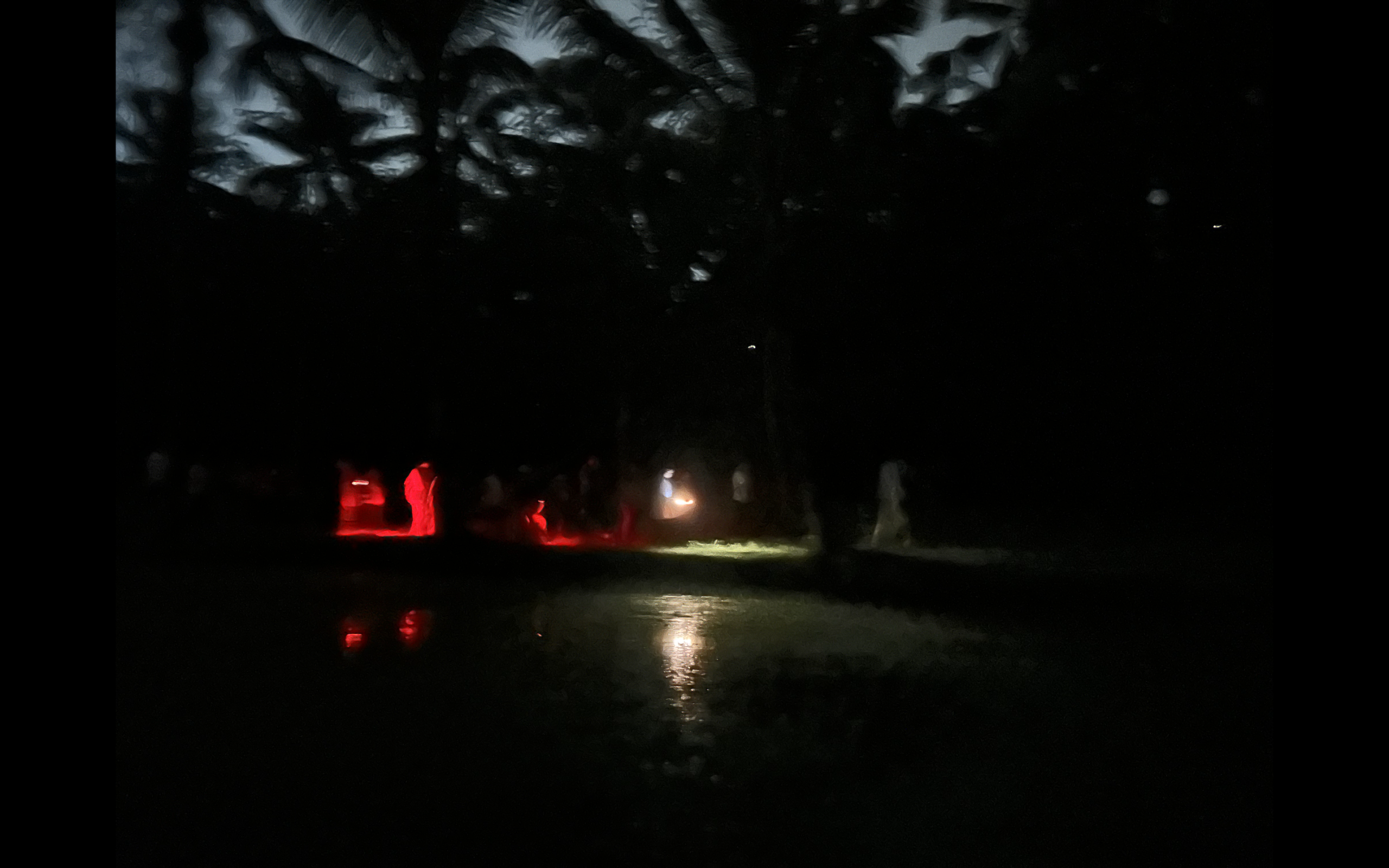
Source: Bring Back The Light Team
At Rumah Konservasi Kunang-Kunang (Bring Back The Light), fireflies are approached not simply as beautiful insects to observe, but as an opportunity to learn about nature, biodiversity, and conservation.
The Fireflies Journey takes visitors into the nighttime landscape of Taro Village, where they can learn more about fireflies, their habitats, and the relationship between people and the natural environment.
Rather than simply looking for glowing insects, the experience encourages visitors to ask questions.
Why do fireflies live here?
What kind of habitat do they need?
How can human activity affect their environment?
And what can communities and visitors do to support conservation?
These questions help explain the importance of fireflies beyond the moment when their lights appear.
For travelers visiting Ubud who are interested in nature and responsible tourism, the experience offers an opportunity to slow down, observe, and learn.
It is not simply about seeing fireflies.
It is about understanding the landscape behind the lights.
Connecting Nature, Education, and Conservation
Education is an important part of conservation.
When people understand how species depend on their habitats, they can begin to see why protecting those habitats matters.
The Fireflies Journey brings together nature observation, environmental education, and conservation awareness in a community setting.
By learning why fireflies are important, visitors can develop a deeper appreciation for the biodiversity found within Bali’s rural landscapes.
Why Fireflies Are Important: Conclusion
Fireflies may be tiny, but the questions they raise are much bigger.
They remind us that biodiversity exists all around us, including in places we might normally overlook. They show how insects are connected to habitats, food webs, vegetation, soil, water, and nighttime environments.
Most importantly, understanding fireflies reminds us that protecting wildlife starts with protecting the places wildlife depends on.
Fireflies are not a universal measure of ecosystem health, but their presence can encourage us to pay closer attention to the environmental conditions around them.
So, why fireflies are important is not only a question about one fascinating insect.
It is a question about biodiversity, habitat, responsible tourism, and our relationship with nature.
Sometimes, protecting nature begins with simply learning to notice it.
Experience The Fireflies Journey
Want to experience Bali’s nighttime nature while learning more about fireflies and their habitat?
Explore The Fireflies Journey at Rumah Konservasi Kunang-Kunang (Bring Back The Light) in Taro Village, Tegallalang, Ubud, Bali.
Come not only to see the lights, but to understand the habitat behind them—and the ecological story they help us notice.