
Ubud travel mistakes – Many travelers arrive in Ubud expecting a peaceful escape filled with rice fields, spiritual experiences, and deep cultural connection. Social media often paints Ubud as a calm and magical destination where time slows down and nature surrounds every corner.
But for some visitors, the reality feels different.
Instead of tranquility, they encounter traffic, crowded cafes, packed attractions, and rushed itineraries. Some leave feeling underwhelmed, wondering if Ubud has become too commercialized or overrated.
In many cases, the issue is not Ubud itself, but the way people experience it.
Like many destinations shaped by global tourism, Ubud reveals different sides depending on how travelers move through it. Those who rush from one attraction to another often experience only the surface. Meanwhile, travelers who slow down and engage more intentionally usually discover a quieter and more meaningful side of Bali.
Trying to See Too Much in One Day
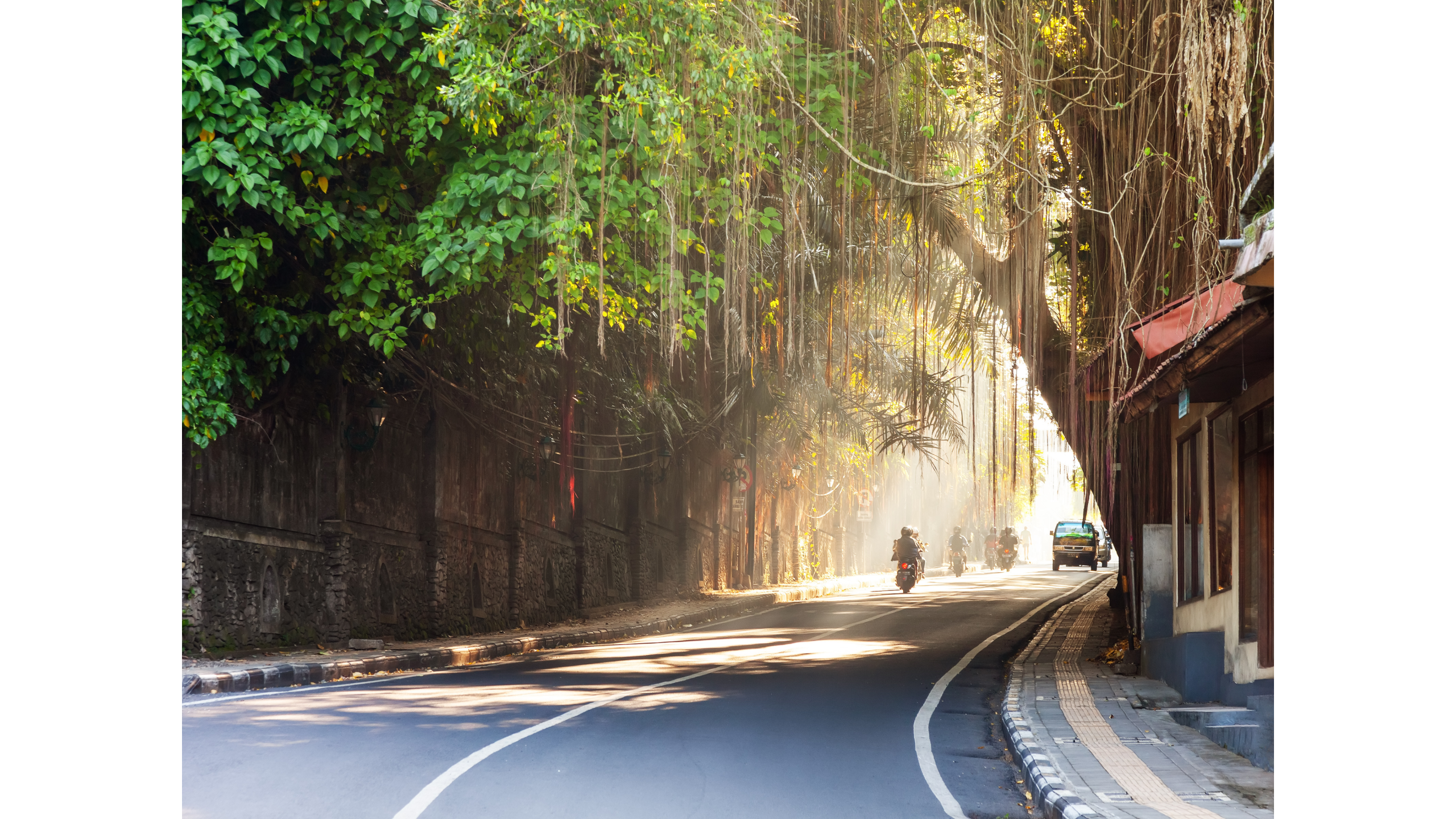
One of the most common Ubud travel mistakes is trying to fit too many places into a single day.
Many travelers create packed itineraries filled with waterfalls, cafes, temples, rice terraces, yoga studios, and beach clubs all within a short timeframe. While this may seem efficient, it often turns the experience into checklist tourism rather than genuine exploration.
Ubud is not a destination best experienced in a rush.
The atmosphere of the area is rooted in slower rhythms, morning offerings, quiet village roads, rice field walks, local ceremonies, and long conversations over coffee. Constantly moving from one attraction to another can make travelers miss the very feeling they came to find.
Instead of focusing on quantity, a more rewarding approach is choosing fewer places and spending more time in each. Some of the best experiences in Ubud happen unexpectedly: walking through a village path, listening to nature at night, or observing daily life beyond the tourist route.
Click here for How to Experience Authentic Culture in Ubud (Beyond Tourist Spots)
Only Visiting Popular Instagram Spots is Very Common Ubud Travel Mistakes

Another major Ubud travel mistakes that tourists make in Ubud is only visiting viral locations seen on social media.
Certain cafes, swings, rice terraces, and photo spots have become iconic online. While these places can still be enjoyable, many travelers end up repeating the exact same experience as everyone else.
As a result, Ubud can start to feel crowded, predictable, and disconnected from its original character.
This trend also contributes to overtourism. Popular areas become heavily concentrated with traffic, queues, and commercial activity, while quieter villages and natural spaces receive far less attention.
Travelers who explore beyond the most photographed locations often discover a very different side of Ubud, one that feels calmer, more authentic, and more connected to local culture and nature.
Sometimes the most memorable moments are not the ones designed for content, but the ones that happen naturally and quietly.
Click here for Hidden Gems in Ubud for Nature Lovers: Eco-Friendly Places Off the Beaten Path
Staying Only in Central Ubud
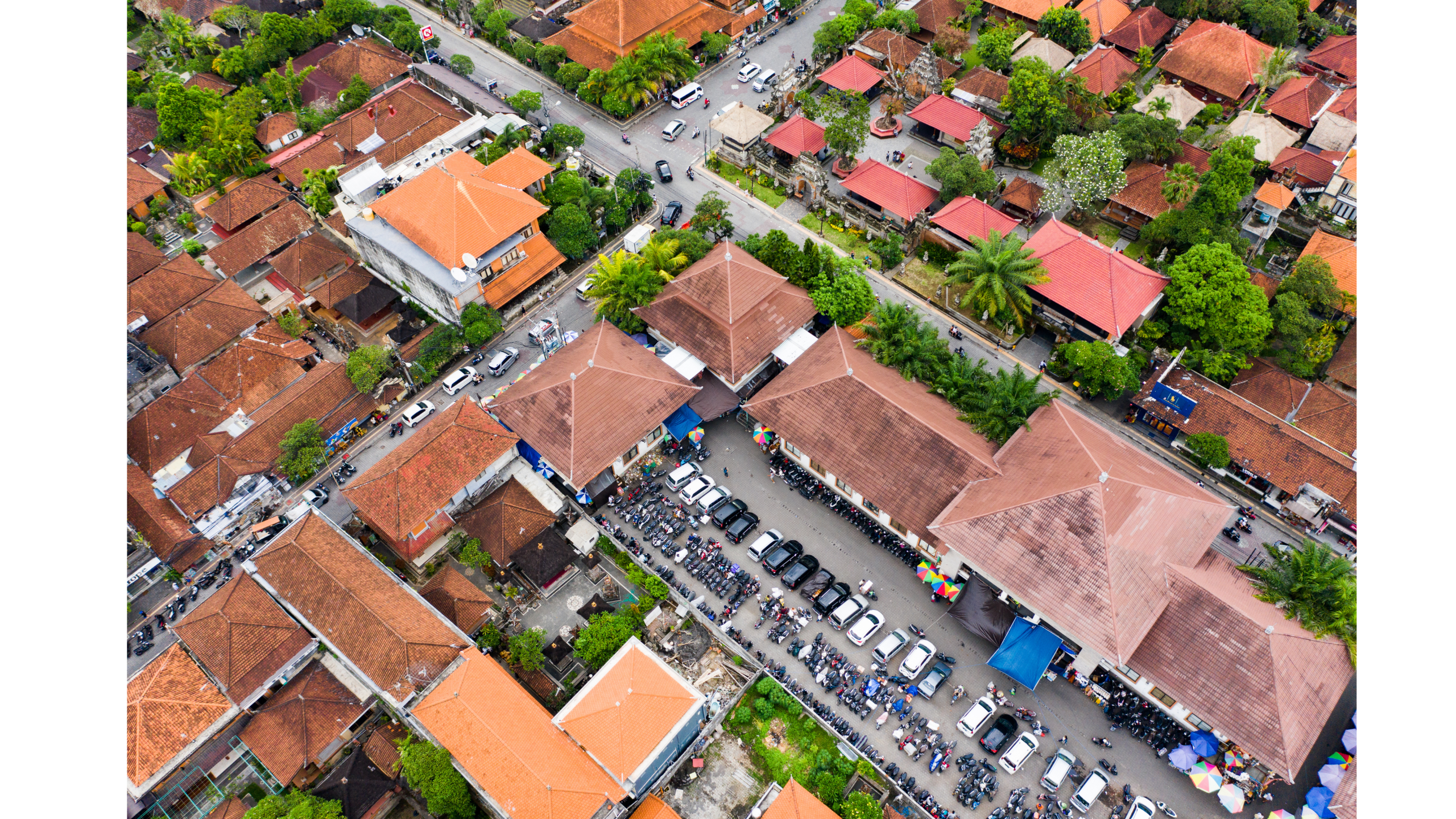
Many visitors stay exclusively in central Ubud without realizing how much the surrounding areas offer.
The center of Ubud is vibrant and convenient, but it is also the busiest and most commercialized part of the region. Traffic, crowded sidewalks, and tourist-focused businesses can quickly become overwhelming, especially during peak travel seasons.
Outside the center, the atmosphere changes significantly.
Villages and rural areas surrounding Ubud offer slower environments, greener landscapes, and stronger connections to Balinese daily life. Rice fields, small temples, farming systems, and community traditions become more visible away from the busiest streets.
Exploring beyond central Ubud helps travelers experience a side of Bali that feels more grounded and less rushed. It also encourages a deeper appreciation for how culture and nature remain interconnected across the island.
Click here for Why Responsible Tourism Is the Future of Ubud
Treating Culture as Entertainment
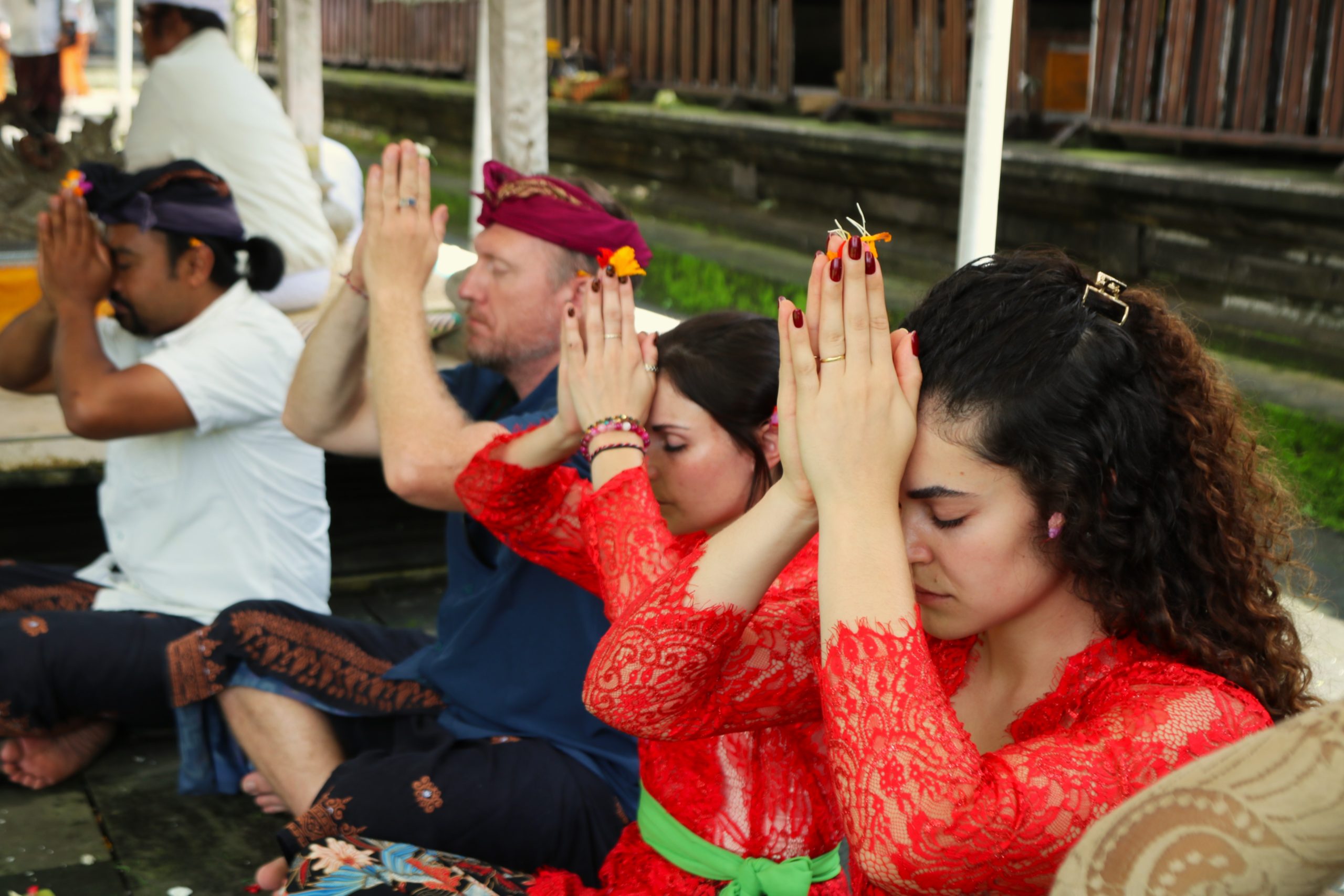
Source: Bring Back The Light Team
One of the more subtle but important Ubud travel mistakes is viewing Balinese culture only as a tourist attraction.
Traditional dances, ceremonies, temple rituals, and offerings are often photographed as aesthetic experiences or performances. However, in Bali, these practices are not created solely for visitors, they are part of everyday spiritual and community life.
Small offerings placed on sidewalks, family temples inside homes, irrigation systems like subak, and village ceremonies all reflect a living cultural system that continues to shape daily routines.
Understanding this changes the travel experience completely.
Rather than consuming culture as entertainment, travelers can approach it with curiosity, respect, and awareness. Simple actions like dressing appropriately at temples, observing ceremonies respectfully, or learning the meaning behind local traditions create more meaningful interactions.
This mindset allows visitors to experience Ubud not only visually, but also culturally and emotionally.
Click here for Ubud Travel Guide 2026: Is It Still Worth Visiting? (Honest & Updated Tips)
Ignoring the Environmental Side of Bali – Ubud Travel Mistakes

Tourism brings economic opportunities to Bali, but it also creates environmental pressure.
Waste management challenges, traffic congestion, overdevelopment, and ecosystem disruption have become increasingly visible in some areas. Many travelers come to Bali seeking nature, yet unintentionally contribute to the problems affecting it.
This is why responsible tourism matters.
Choosing community-based experiences, supporting local conservation efforts, reducing waste, and spending more time in fewer places can all help create a healthier relationship between tourism and the environment.
Nature in Bali is not separate from culture, the two are deeply connected. Rice fields, rivers, forests, and biodiversity all play an important role in local life and spiritual traditions.
Travel experiences that encourage environmental awareness often leave a deeper and more lasting impact than fast-paced tourism focused only on consumption.
A Different Way to Experience Ubud

For travelers wondering how to explore Ubud beyond the mainstream itinerary, slower and nature-based experiences can offer a completely different perspective.
Bring Back The Light Bali focuses on ecological awareness and firefly conservation through experiences connected to Bali’s rice field ecosystem and rural landscape.
One of its experiences, The Fireflies Journey, invites visitors to experience Ubud in a quieter and more immersive way. Rather than focusing on crowded attractions, the journey highlights biodiversity, village environments, nighttime ecology, and the relationship between nature and local communities.
The experience encourages travelers to slow down, observe more carefully, and reconnect with the natural rhythms often overlooked in conventional tourism.
For many visitors, it becomes less about “seeing more” and more about understanding the environment they are moving through.
Conclusion of Ubud Travel Mistakes
Ubud can still be a deeply meaningful destination, but often not in the way many travelers initially expect.
The most rewarding experiences usually happen when people move more slowly, stay curious, and allow space for deeper connection with culture, community, and nature. Beyond the crowded attractions and viral locations, there is still a quieter side of Ubud waiting to be experienced.
Sometimes, the most memorable parts of Bali are found outside the mainstream itinerary.
For travelers looking to experience a quieter and more meaningful side of Ubud, The Fireflies Journey by Bring Back The Light Bali offers a slower and more nature-connected perspective beyond the usual tourist route.