
Authentic Ubud experience – For many travelers, Ubud begins with a list. A sunrise visit to a famous rice terrace. A stop at a trendy café. A swing overlooking the jungle. A few carefully chosen photo spots seen countless times across social media feeds.
The itinerary is familiar because it works. These places are beautiful, accessible, and widely recommended. Yet after checking off every must-see attraction, many visitors leave with an unexpected feeling.
“Is that all there is to Ubud?”
The question is becoming increasingly common.
As Bali’s cultural heart continues to attract travelers from around the world, Ubud has become one of the island’s most photographed destinations. Yet behind the viral images and popular attractions exists a deeper, quieter layer of Ubud that many visitors never encounter.
An authentic Ubud experience is not necessarily found in the most famous locations. Often, it emerges through slower moments walking through village paths, observing daily rituals, learning how rice fields are managed, listening to local stories, or witnessing the biodiversity that still thrives within the surrounding landscape.
This hidden side of Ubud is not a secret destination. It is a different way of seeing.
For travelers seeking meaningful connections rather than simply collecting locations, Ubud offers far more than a checklist of attractions. It offers an opportunity to understand the relationships between nature, culture, and community that continue to shape daily life in Bali.
Why Ubud Became So Popular
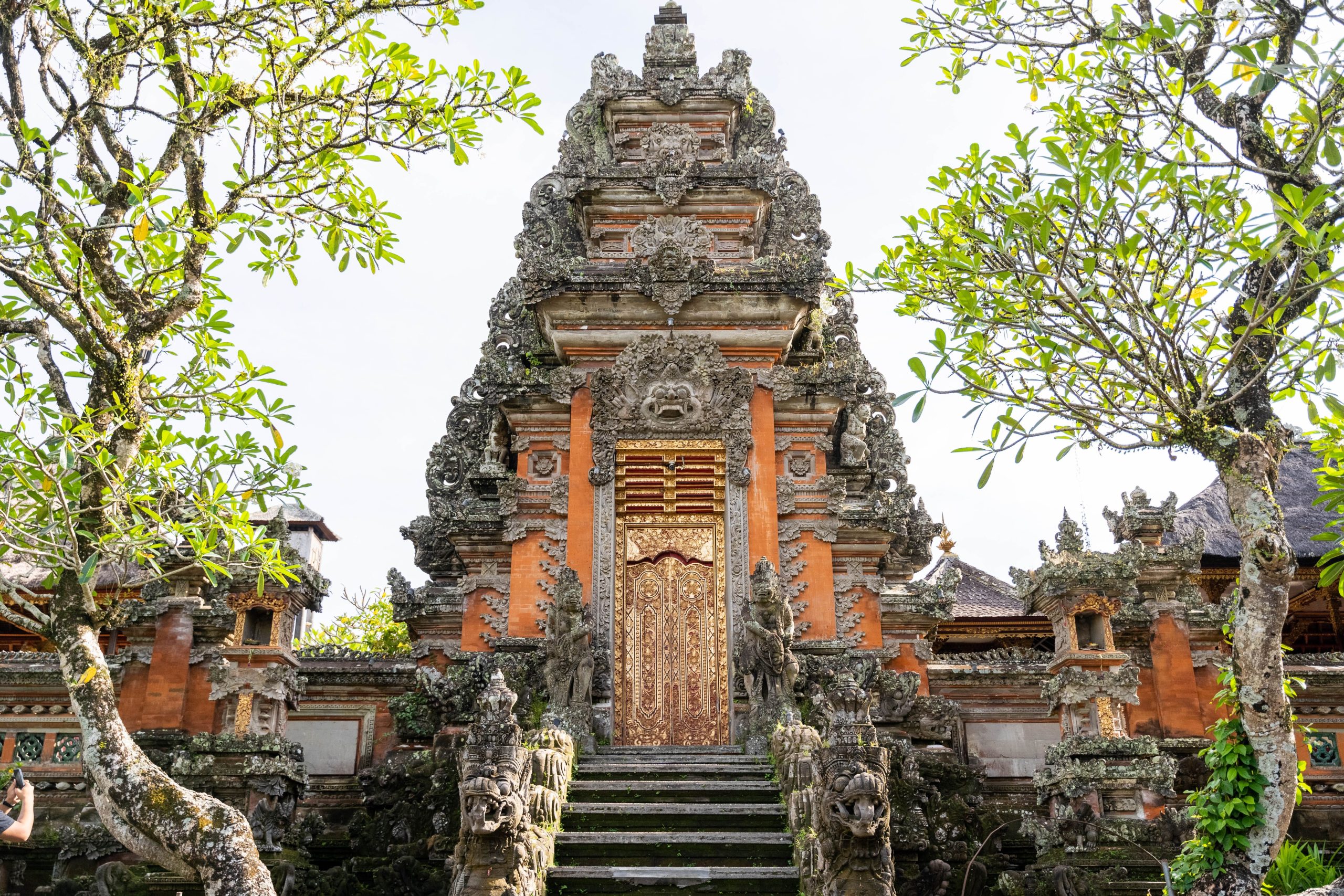
Few destinations in Southeast Asia have experienced the global rise that Ubud has seen over the past two decades.
Once known primarily as an artistic and cultural center, Ubud gradually evolved into an international destination through a combination of tourism development, global media exposure, and changing travel trends.
The growth of social media played a significant role. Iconic landscapes, tropical cafés, jungle views, and rice terraces became instantly recognizable online. Images of Ubud spread across Instagram, travel blogs, and digital publications, inspiring millions to visit.
At the same time, the rise of digital nomad culture brought a new wave of long-term visitors seeking a balance between productivity and lifestyle. Co-working spaces, wellness retreats, and creative communities flourished.
The yoga and wellness movement further strengthened Ubud’s reputation as a destination for self-discovery and personal growth. Travelers arrived not only for sightseeing but also for healing, reflection, and transformation.
None of this popularity is inherently negative.
Tourism has created economic opportunities, supported local businesses, and introduced visitors to Balinese culture. Many people discover Bali through Ubud and leave with meaningful memories.
However, popularity can also create a challenge.
When certain attractions become symbols of a destination, travelers may unknowingly focus only on what is most visible. As a result, they experience the highlights without necessarily understanding the deeper systems and traditions that make those highlights possible.
The rice terrace becomes a photo opportunity rather than an agricultural heritage system.
A temple becomes a sightseeing stop rather than part of a living spiritual tradition.
A village becomes a backdrop rather than a community.
The more famous Ubud becomes, the easier it is to overlook what makes it truly unique.
The Problem With Experiencing Ubud Through a Checklist
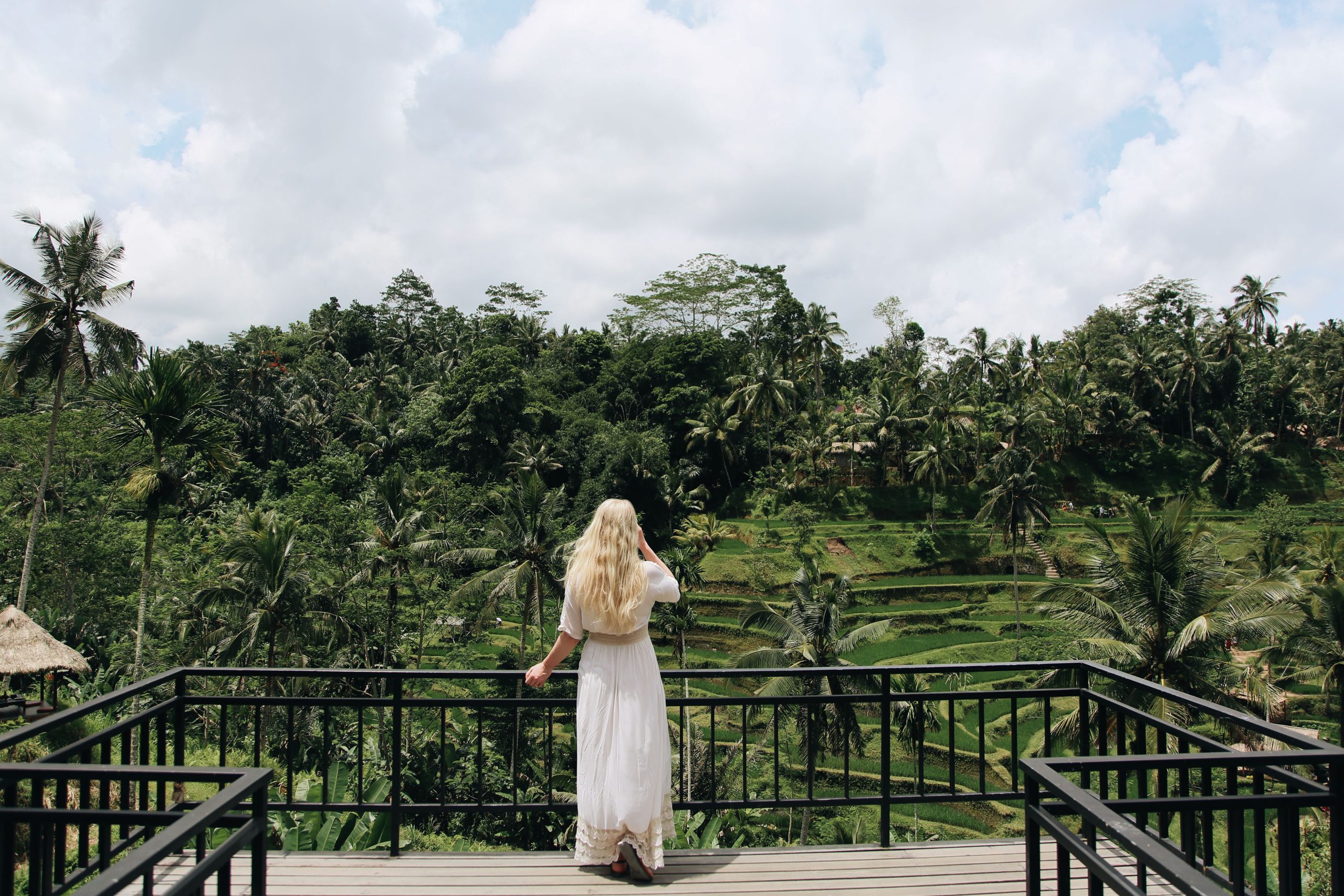
Modern travel often rewards speed.
Travel guides recommend dozens of attractions. Social media suggests hidden spots. Travel influencers share packed itineraries designed to maximize experiences in the shortest possible time.
The result is often a form of travel built around movement rather than connection.
Visitors rush from one attraction to another, spending more time navigating routes than understanding places. Days become a sequence of destinations rather than experiences.
This phenomenon is especially visible in Ubud.
A typical itinerary may include multiple temples, waterfalls, cafés, markets, and viewpoints within a single day. While efficient, this approach can create a surprising paradox:
The more places people visit, the less they remember.
Researchers studying travel experiences frequently note that memorable journeys are often defined not by quantity but by emotional engagement. Experiences become meaningful when travelers have time to observe, participate, learn, and connect.
Content-first travel can further amplify this challenge.
Instead of asking, “What can I learn here?” travelers may ask, “What content can I create here?”
Photography and storytelling are valuable parts of travel. However, when documentation becomes the primary objective, the destination itself can become secondary.
The irony is that many travelers come to Ubud searching for authenticity, yet structured itineraries sometimes prevent them from discovering it.
Authenticity rarely follows a schedule.
It often appears unexpectedly—in conversations, observations, landscapes, and everyday moments that cannot be planned in advance.
What Makes Ubud Special Beyond Tourist Attractions
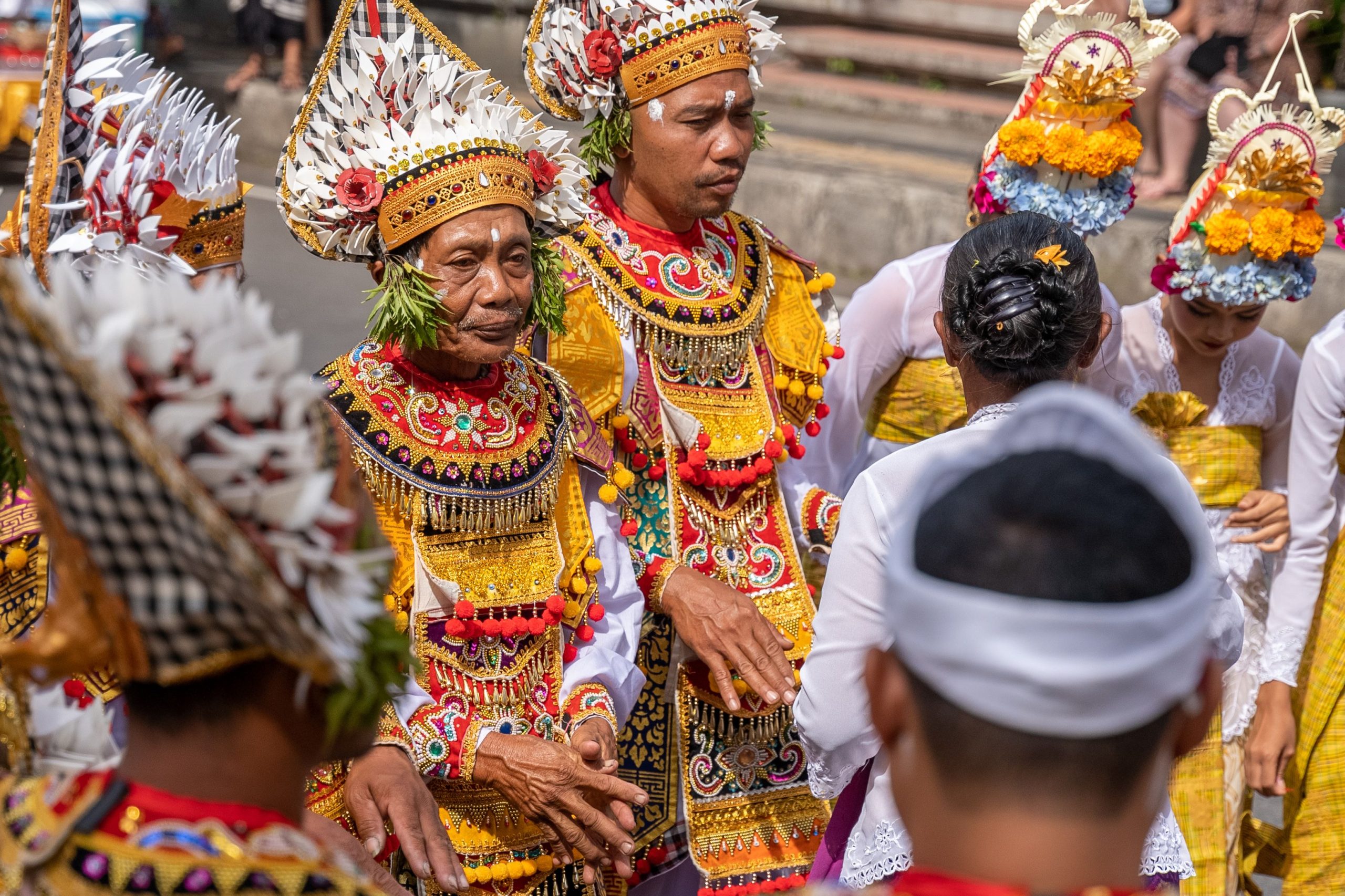
To understand the hidden side of Ubud, it helps to look beyond individual attractions and toward the systems that shape the region.
Traditional Rice Field Systems and the Subak Heritage
Rice fields are among the most recognizable images of Bali.
Yet these landscapes are much more than scenic viewpoints.
For centuries, Balinese farmers have managed water through the Subak system, a cooperative irrigation network recognized for its cultural and ecological significance.
Subak is not simply a method of farming. It reflects a philosophy of balance between people, nature, and spirituality.
The rice fields surrounding Ubud represent generations of knowledge, collaboration, and environmental stewardship. Understanding this context transforms the landscape from a beautiful photograph into a living cultural heritage.
Village Life and Community Culture
Beyond the tourist center, Ubud remains deeply connected to village traditions.
Community life revolves around the banjar, a local social organization that plays an essential role in cultural activities, ceremonies, and collective decision-making.
Many aspects of Balinese culture continue to be maintained through these community structures.
Visitors who spend time in villages often gain a different perspective on Bali—one that extends beyond tourism and highlights the importance of cooperation, tradition, and social connection.
Nature Corridors and Biodiversity
The landscape surrounding Ubud includes forests, rivers, agricultural land, and ecological corridors that support a remarkable variety of life.
Birds, insects, amphibians, reptiles, and countless plant species contribute to the area’s biodiversity.
These ecosystems perform essential functions, including water regulation, soil health, pollination, and habitat connectivity.
Many travelers admire Bali’s natural beauty without realizing the complexity of the ecosystems that sustain it.
Daily Rituals and Living Spirituality
One of the most distinctive aspects of Ubud is the integration of spirituality into everyday life.
Offerings placed outside homes and businesses. Community ceremonies. Temple activities. Seasonal celebrations.
These practices are not performances created for visitors.
They are living traditions that continue to shape daily rhythms throughout Bali.
Observing these rituals respectfully offers insight into how culture, spirituality, and environment remain interconnected.
Together, these elements create the character of Ubud.
Not the attractions themselves, but the relationships between land, culture, and community.
A Different Way to Explore Ubud
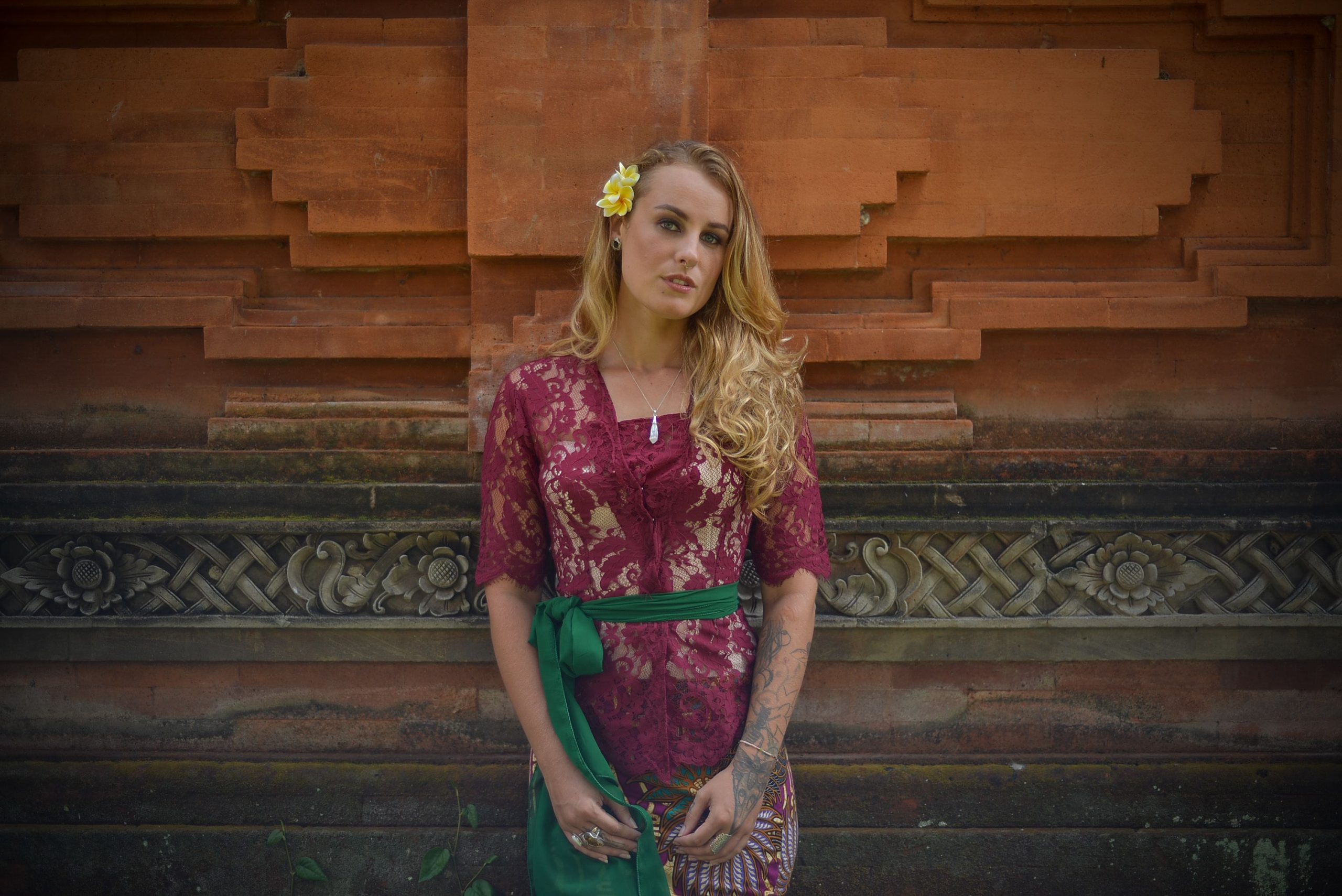
Many travelers arrive with a desire to see more.
Yet sometimes the most rewarding approach is to do less.
Instead of chasing every recommendation, consider slowing down.
Walk through village roads without a fixed destination.
Spend time observing daily life.
Join experiences that encourage learning rather than consumption.
Talk with local residents.
Explore natural landscapes at a pace that allows curiosity to emerge.
This philosophy aligns closely with the principles of slow travel in Ubud.
Slow travel is not about moving slowly for the sake of it. It is about creating space for deeper engagement.
Rather than measuring success by the number of attractions visited, slow travel emphasizes understanding, connection, and presence.
Similarly, meaningful travel in Ubud focuses on experiences that leave travelers with new perspectives rather than simply new photographs.
The goal is not to avoid popular destinations entirely.
It is to balance iconic experiences with opportunities to engage more deeply with the places and communities being visited.
For travelers searching for things to do in Ubud beyond tourist spots, this mindset often opens the door to richer and more memorable experiences.
Authentic Ubud Experience Through Nature and Biodiversity

Most visitors encounter Ubud through its cultural landmarks and scenic landscapes.
Fewer explore it through the lens of biodiversity.
Yet biodiversity is one of the foundations that makes Bali’s landscapes, agriculture, and communities possible.
Healthy ecosystems support food production, water quality, climate resilience, and cultural traditions. They are not separate from daily life—they are woven into it.
One of the most fascinating ways to understand this relationship is through fireflies.
Fireflies are often admired for their bioluminescent displays, but their ecological importance extends far beyond their beauty.
Scientists frequently regard fireflies as bioindicator species.
Because they are sensitive to environmental changes, their presence can provide valuable insights into ecosystem health.
Healthy firefly populations often depend on clean water, suitable habitats, minimal light pollution, and balanced ecological conditions.
When fireflies disappear, it can signal broader environmental pressures affecting the landscape.
For travelers interested in the hidden side of Ubud, fireflies offer a unique perspective.
They reveal a dimension of the landscape that remains invisible during the day.
They invite observation rather than consumption.
And they encourage visitors to think about the ecological systems that support life across the island.
The Fireflies Journey: Seeing a Different Side of Ubud
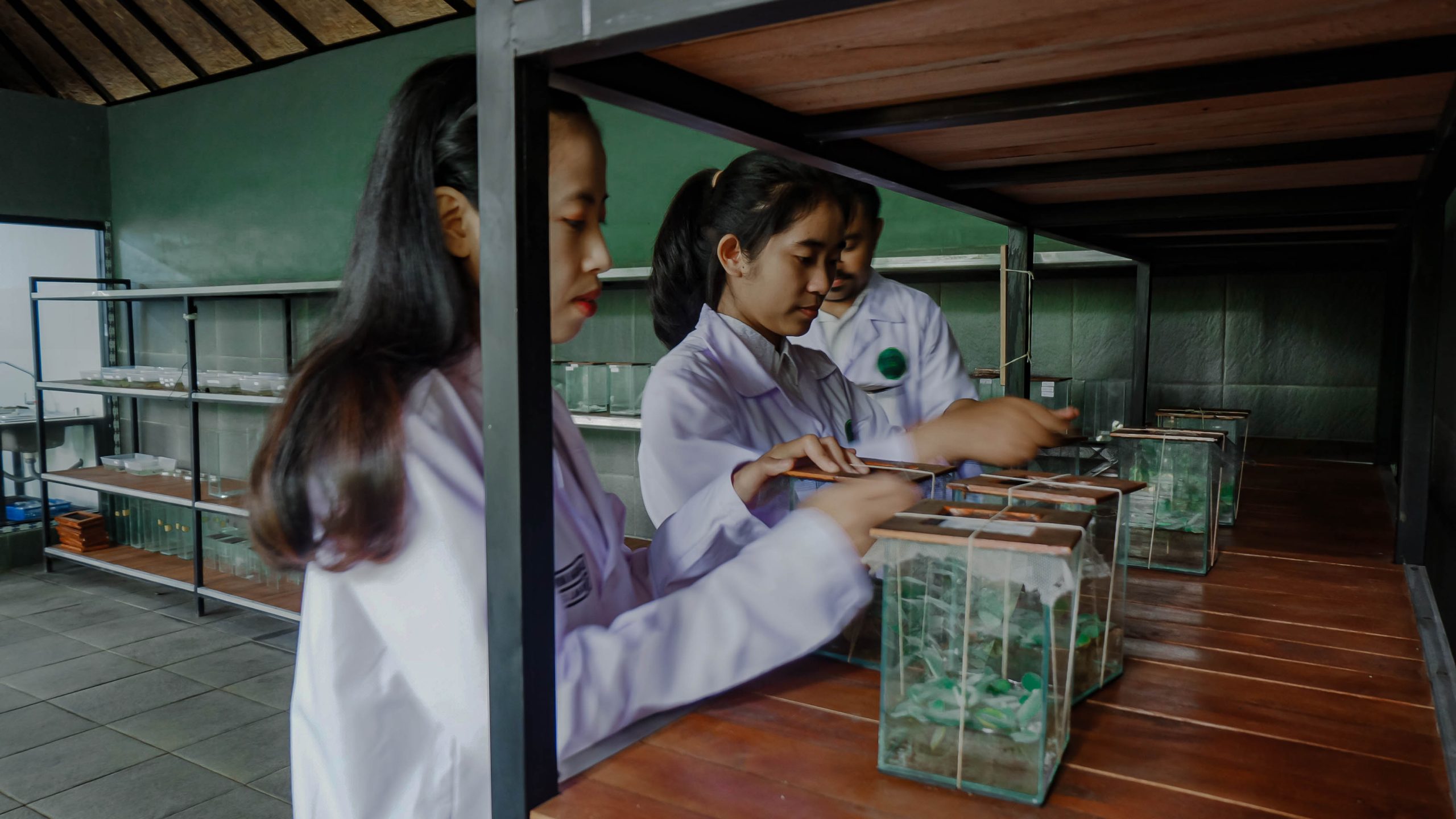
Among the many authentic Ubud experience, some of the most meaningful happen after sunset.
The Fireflies Journey by Rumah Konservasi Kunang-Kunang (Bring Back The Light Bali) offers visitors an opportunity to experience Ubud through a different lens.
Rather than focusing on famous attractions or curated photo opportunities, the experience explores the relationship between biodiversity, conservation, agriculture, and community.
Participants learn about fireflies and their role within local ecosystems.
They gain insight into the ecological importance of rice field landscapes.
They discover how conservation efforts can support both environmental protection and community well-being.
As daylight fades, the landscape itself begins to change.
Sounds emerge from the fields. The pace slows. Attention shifts away from screens and toward the surrounding environment.
The experience encourages observation, curiosity, and reflection.
For many visitors, it becomes a reminder that some of the most remarkable aspects of Bali are not necessarily found in crowded destinations.
They are found in moments of connection—with nature, with local knowledge, and with the living landscapes that continue to sustain communities.
For travelers seeking an authentic Ubud experience, The Fireflies Journey offers something increasingly rare: an opportunity not simply to see a place, but to better understand it.
Conclusion
Ubud remains one of Bali’s most compelling destinations.
Its popularity is understandable. The landscapes are beautiful, the culture is vibrant, and the opportunities for exploration are endless.
Yet the most meaningful experiences are often not found in the busiest attractions or the most photographed locations.
They emerge through slower encounters.
A conversation in a village.
A walk through a rice field.
A deeper understanding of local traditions.
An appreciation for biodiversity that often goes unnoticed.
These moments reveal the connections between nature, culture, and community that continue to shape everyday life in Bali.
For travelers willing to look beyond the checklist, Ubud offers something far more valuable than another destination.
It offers perspective.
Explore a Different Side of Ubud
If you’re looking to experience a different side of Ubud, consider exploring beyond the usual attractions. The Fireflies Journey by Bring Back The Light Bali offers an opportunity to connect with Bali’s biodiversity, traditional rice field landscapes, and the quieter rhythms of rural life.
To deepen your understanding of Bali’s nature and responsible travel practices, you may also enjoy reading:
- Why Fireflies Matter: What They Tell Us About the Health of Bali’s Ecosystems
- Responsible Tourism in Bali: Small Choices That Make a Big Difference
- Hidden Gems in Ubud for Nature Lovers
- Ubud Travel Mistakes
- Slow Travel in Bali
- Ubud Travel Guide 2026
Discover how conservation, culture, and community come together to create a more authentic and meaningful Ubud experience.